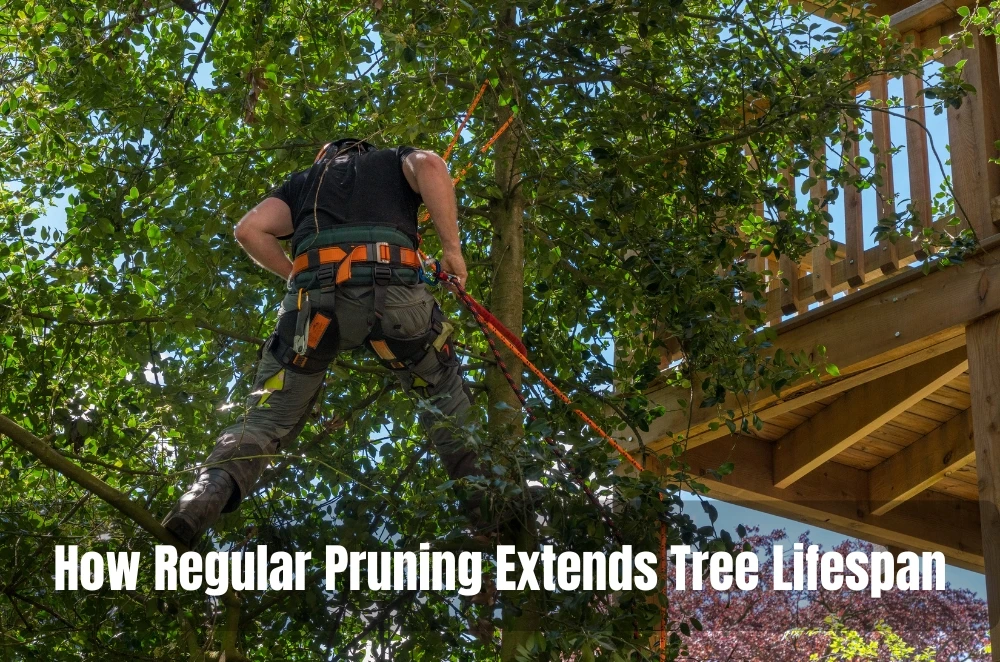

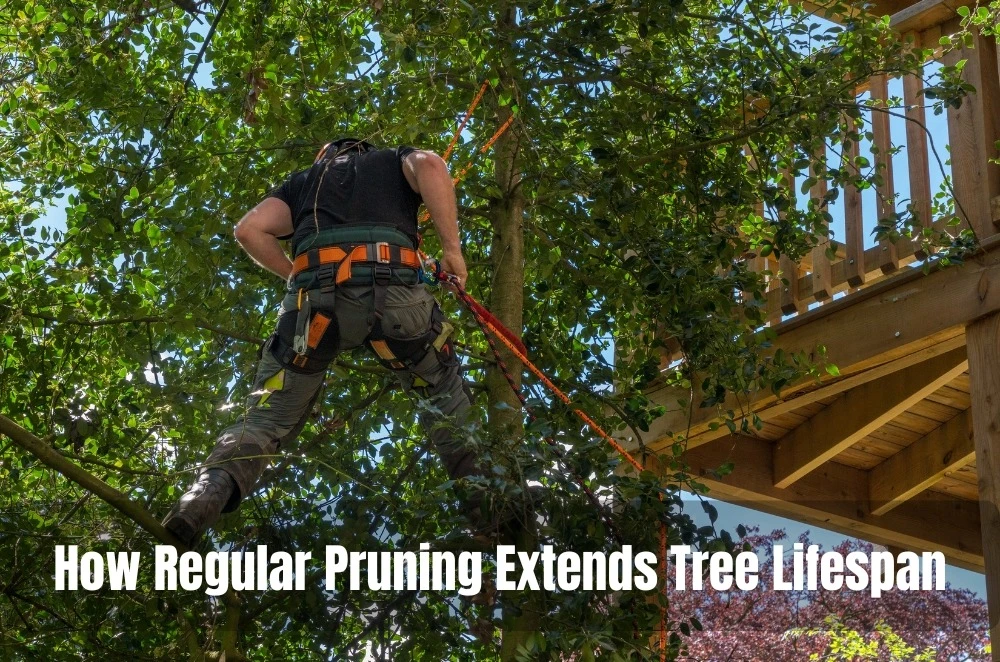
Healthy trees rarely stay that way by luck alone. They’re the result of steady, light-touch care that respects how a tree grows and seals wounds. That’s what regular pruning is: a small, thoughtful nudge toward better structure, safer canopies, and longer life. If you’d rather not climb ladders or guess where to cut, book tree pruning services so the work follows best practice from the start.
Why pruning adds years, not just neatness
Pruning is preventative healthcare. By removing deadwood and correcting small structural faults early, you reduce the chance of big failures later. Less end-weight means less leverage in storms. Better airflow and light discourage fungal problems. And, crucially, selective reduction redirects energy into strong scaffold limbs that will carry the canopy for decades. I’ve seen this play out across plenty of jobs: a couple of well-placed cuts today avoid a panicked call-out and a crane five years from now.
Council and government resources consistently point homeowners and contractors to Australian pruning standards, which reinforce correct cut placement, staged works, and avoiding lopping. Following those principles keeps trees stronger for longer and reduces the odds of sudden limb drop over driveways, roofs, and fences.
Timing and technique that protect longevity
There’s no single calendar for every species, but the thinking is simple: prune when stress is low and the benefit is high. Cooler months suit bigger structural moves for many trees; light canopy cleaning can happen most of the year. After-flowering pruning preserves next season’s display. Avoid heavy cuts during heatwaves or drought. If a tree is already struggling, focus on water, mulch, and soil first, then revisit pruning later.
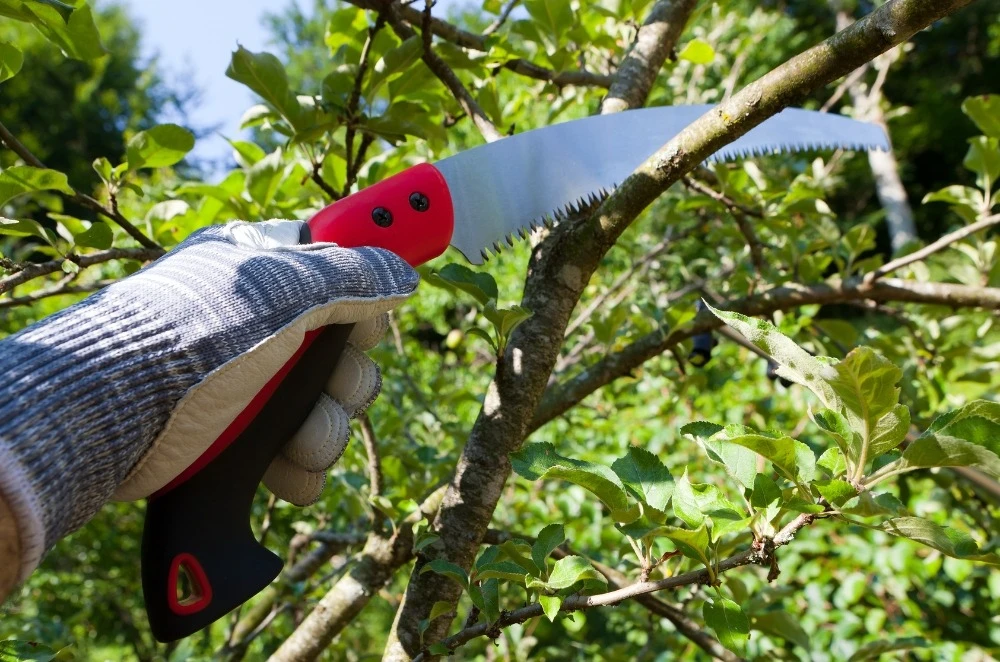
Technique matters just as much as timing. Make final cuts just outside the branch collar so the tree can compartmentalise. Use the three-cut method on heavier limbs to prevent bark tearing. Reduce to a lateral that’s big enough to take over the role rather than leaving stubs. And never top a tree—topping creates weak, fast regrowth and long-term decay issues. A little restraint now is what adds years later, especially for big shade trees near houses.
A quick yard story (and what it taught me)
One summer, a jacaranda in a windy corner of a yard kept dropping branches. The canopy looked thick, with narrow unions and long overextended laterals aimed straight at a shed roof. We staged the work: first visit, deadwood and minor clearance; second visit, targeted reduction back to strong laterals to take end-weight off. The following storm season passed without a single failure. The owner expected a drastic “haircut” but got a natural-looking canopy that simply behaved better.
When in doubt, keep cuts small, work in stages, and map out what the canopy should be doing in five years. If you’re setting up a maintenance rhythm for young trees, formative sessions are gold. A short, practical walkthrough of the first steps is here: how to prune a young tree correctly. Focus on establishing a central leader where appropriate, spacing scaffold branches, and removing crossing growth early so problems don’t harden into timber.
Species-savvy pruning in Australian yards
Across species, keep live foliage removal under roughly a quarter in any single session, and stage big goals across seasons whenever you can. Here’s a simple rule of thumb I use with clients: name the one problem each cut solves—risk, clearance, health, or form. If a proposed cut doesn’t clearly solve one of those, skip it for now. That tiny bit of discipline keeps trees looking natural while quietly improving their behaviour in wind and rain. It also stops the slide toward over-thinning, which invites sunscald, water shoots, and stress that shortens tree lifespan.
Backyard mixes vary, but a few patterns hold. Eucalypts dislike heavy crown lifting and respond better to conservative reduction to robust laterals. Fruit trees reward regular, light structural pruning that balances vigour and fruiting wood. For a broader overview of long-term canopy care that supports tree longevity, see maintenance pruning, which focuses on structure, stability, and gentle adjustments rather than drastic makeovers.
Risk reduction and compliance made simple
A big reason councils emphasise standards is risk. Trees tend to fail at weak points: included bark, long lever-arms, deadwood, and decay pockets. Regular inspections and selective pruning reduce that risk without butchering the canopy. Keep an eye out for co-dominant stems with narrow unions, dead or hanging branches over paths and driveways, cracks and cavities that warrant an arborist assessment, and overlong limbs above roofs that need reduction back to strong laterals, not just a random shorten. On one suburban job, we reduced a heavy limb over a garage in stages, turning a genuine hazard into a calm, balanced canopy without butchering the crown.
On private land, many councils require permits for significant works, and jobs should align with the principles in AS 4373-style guidance. Even when approval isn’t needed, sticking to those principles protects both the tree and the property. If documentation matters—for insurance, development, or neighbour disputes—ask your arborist for a simple pruning specification that notes pruning class, canopy percentage, and target laterals. It’s a small step that shows the tree has been managed properly, not just chopped.
Final thoughts
Trees repay care with shade, habitat, and a calmer yard. Think of pruning as a slow conversation with your trees, where each small, careful cut is a promise that you plan to keep them for the long haul, rather than a quick weekend project. Regular, minimal pruning—done with respect for timing, structure, and wound biology—extends lifespan far more reliably than any product on the shelf. Plan the goal, keep cuts small, and stage the work so the tree has time to respond between visits. If you’d prefer an expert eye and a safer ladder plan, book tree pruning Melbourne services and ask for a pruning approach that aligns with Australian pruning standards. That combination of professional skill and recognised standards is what gives your trees the best chance of living a long, safe life beside your home.
















Sign in to leave a comment.