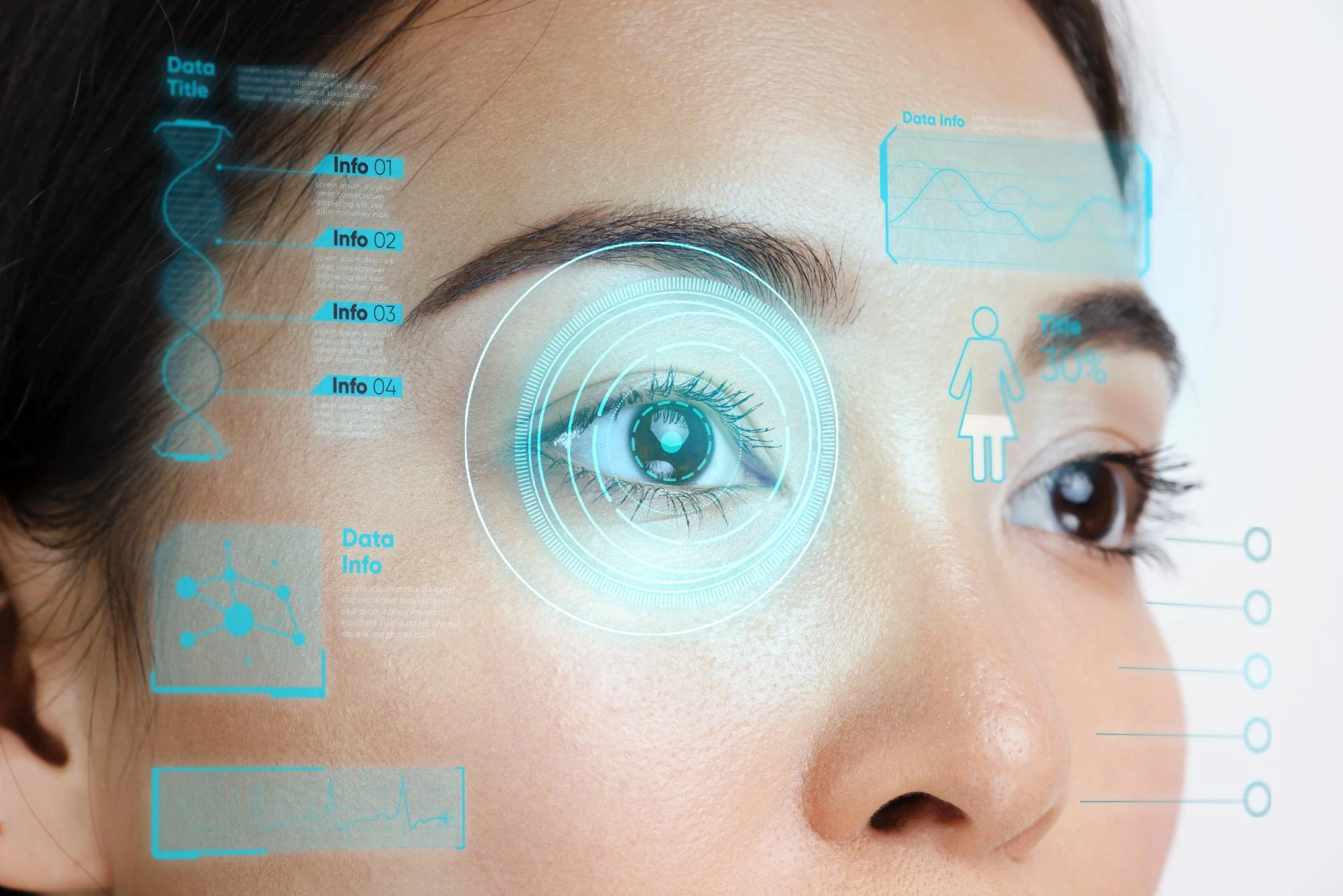

Understanding user attention is crucial for designing digital experiences that are intuitive and engaging. While traditional metrics such as clicks, scrolls, and session duration provide some insight, they cannot fully explain where users focus or why certain elements are overlooked. Modern tools, particularly the eye tracking tool, offer a deeper understanding of visual behaviour and attention patterns.
By capturing gaze points, fixations, and saccades, designers can see exactly how users interact with interfaces. This data helps create layouts that align with natural user tendencies and improve overall engagement.
Why Measuring Attention Matters
Users rarely process content in a strictly linear way. Their eyes naturally gravitate toward specific visual elements, sometimes skipping important information. Misaligned layouts can cause confusion, reduce engagement, or lead to task abandonment. By accurately measuring attention, teams can optimize placement of key content, improve readability, and ensure critical actions are noticed.
A reliable eye tracking tool offers objective data that goes beyond assumptions or anecdotal evidence. This helps designers make decisions that are grounded in real behaviour rather than guesswork.
How Modern Tools Capture Visual Behaviour
Eye tracking technology measures where users look, how long they focus on particular elements, and the sequence in which they explore a page. Heatmaps highlight areas of high visual attention, while gaze paths reveal navigation patterns. Fixation duration indicates how long users process information, and saccades show how their attention shifts between elements.
These metrics collectively provide a detailed map of visual engagement. Designers can use this information to identify overlooked elements, confusing content, or areas that naturally draw attention and can be leveraged for calls to action or important messaging.
Identifying Focus Gaps and Friction Points
Not all usability challenges are obvious. Users may interact with an interface without expressing frustration or confusion. Modern attention-measuring tools reveal these hidden issues by showing where focus falters or hesitations occur.
For instance, repeated glances between sections may indicate uncertainty, while prolonged fixations on certain areas can signal complexity or cognitive overload. A well-calibrated eye tracking tool highlights these moments, enabling teams to refine layout, navigation, and content presentation to reduce friction.
Supporting Data-Driven Design Decisions
Reliable attention data transforms subjective assumptions into measurable insights. Designers can compare different layouts, colour schemes, or content arrangements to see which most effectively captures attention. This evidence-based approach ensures that design decisions are purposeful and targeted.
By integrating attention data into the design process, teams can prioritise changes that improve usability, streamline navigation, and reinforce key messages. Continuous testing ensures interfaces evolve in response to real user behaviour, rather than relying solely on internal preferences.
Enhancing Engagement and Usability
Understanding focus patterns allows teams to strategically guide users through content. Important calls to action, informative sections, or promotional content can be positioned where they are most likely to be noticed. Conversely, less critical information can be de-emphasised to avoid distraction.
Modern attention-measuring tools help optimize both desktop and mobile experiences. This ensures users engage with content as intended and complete desired tasks efficiently.
Validating Tool Accuracy
Concerns about reliability are natural when relying on technology to measure subtle human behaviour. However, modern eye tracking tools have become highly precise, capturing micro-movements and providing real-time feedback. Calibration routines, combined with repeated testing, improve accuracy and reproducibility, making insights trustworthy for design decisions.
Moreover, combining eye tracking with complementary analytics, such as click tracking and session recordings, provides a more holistic view of user attention and engagement.
Conclusion
Measuring user attention is critical for creating interfaces that are intuitive and effective. Modern tools, particularly the eye tracking tool, provide reliable, data-driven insights into where users focus, which elements draw attention, and where friction occurs. By leveraging these insights, designers can optimize layouts, improve engagement, and make informed design decisions that align with real user behaviour.
FAQs
1. How do modern tools measure user attention?
They track gaze points, fixations, and the sequence of visual exploration to reveal which elements users focus on.
2. How reliable are these tools?
They are highly reliable when calibrated correctly and combined with repeated testing, capturing precise gaze patterns and visual behaviour.
3. Can these insights replace standard analytics?
No. They complement traditional metrics by showing where and why users focus or hesitate.
4. Are attention-measuring tools suitable for mobile and desktop platforms?
Yes, they can be applied across different devices to provide consistent insights.
5. How can attention data improve design decisions?
It identifies focus areas, friction points, and navigation patterns, allowing designers to optimise layouts, content, and interactions.





























Sign in to leave a comment.