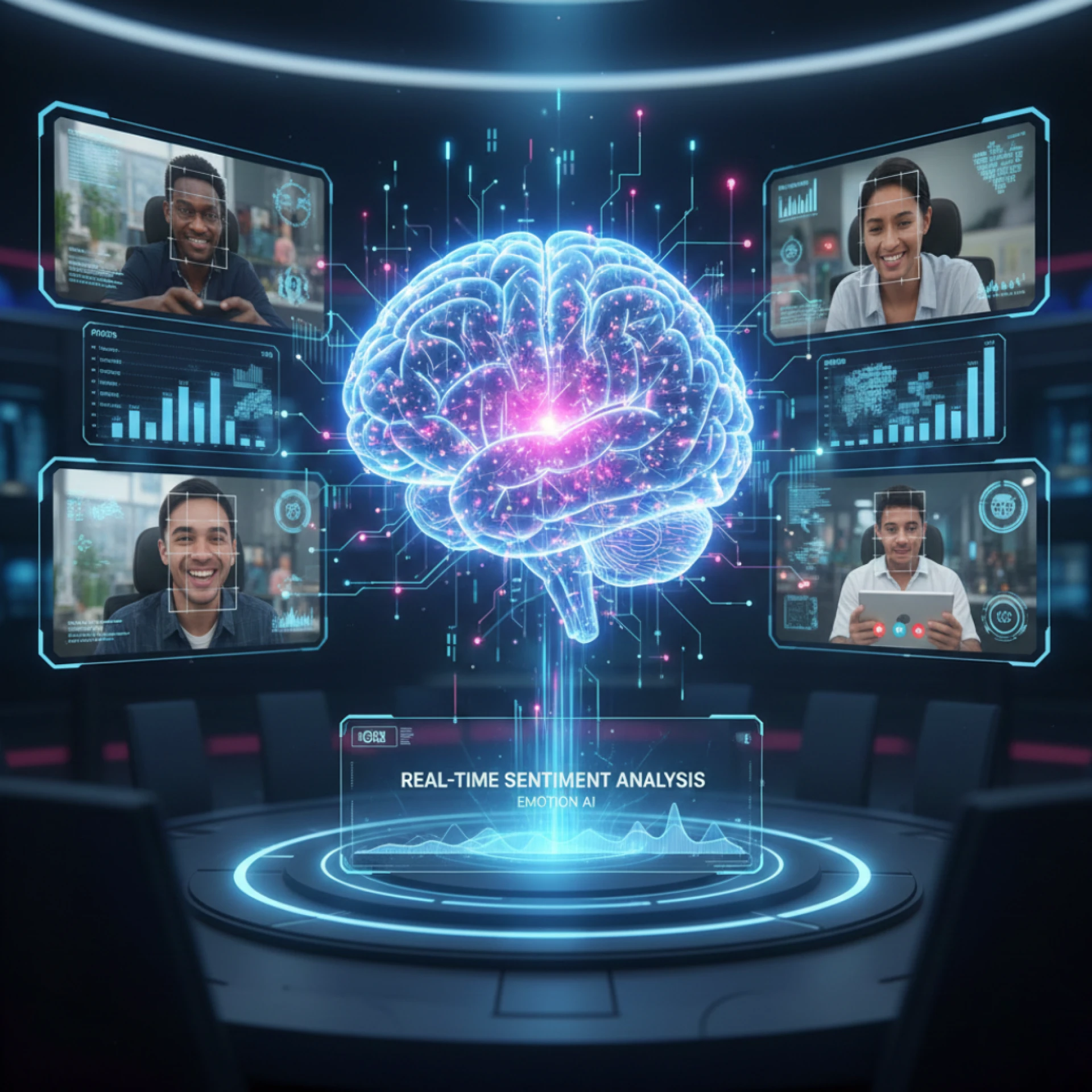

Understanding how people feel during digital interactions is becoming crucial for creating smoother and more comfortable online experiences. Traditional analytics show actions such as clicks or scrolls, but they do not reveal the emotions guiding those actions. Subtle cues like facial shifts, gaze movement, and fixation patterns provide far richer insight. This is where emotion ai helps by interpreting these reactions in real time, giving teams a clearer picture of user comfort, hesitation, or uncertainty.
How Real-Time Emotional Signals Are Observed
Real-time sentiment understanding relies on behavioural markers that appear within seconds. Each one uncovers a different layer of emotional response.
Micro-Expressions
These fast, involuntary facial movements often show true reactions before a person becomes aware of them. Even though they last briefly, they carry strong emotional value.
Fixation Behaviour
Fixation is the moment when a user’s gaze pauses on a specific element. Long fixation can indicate interest or confusion, while short fixation may suggest lack of clarity or low relevance. Studying fixation helps teams identify what captures attention and what feels unclear.
Gaze Shifts
A steady gaze suggests comfort, while frequent shifts can signal hesitation or distraction. These shifts also help detect whether the visual flow supports natural navigation.
Facial Tension
Small cues such as a tightened jaw, raised brows, or a slight frown reveal discomfort or uncertainty. Relaxed expressions may reflect comfort or positive engagement.
Together, these signals form a more complete understanding of how users emotionally experience digital environments.
Why Real-Time Sentiments Matter
Real-time emotional cues often highlight issues that users do not express directly. They help explain behaviours that traditional analytics alone cannot interpret.
Identifying Confusion
Repeated fixation on the same element may show uncertainty, even if the user completes the task successfully.
Understanding Positive Reactions
Relaxed facial cues and steady gaze patterns often indicate comfort. These moments help confirm that certain elements feel intuitive.
Detecting Avoidance
If users consistently shift their gaze away from a particular section, it may reflect discomfort or disinterest, revealing areas that need attention.
Revealing Hesitation
Small pauses, frowns, or brief narrowing of the eyes can show doubt before an action is taken.
Real-time insights reveal hidden reactions that shape overall experience quality.
How Emotion AI Interprets These Patterns
Modern research platforms depend on emotion ai to analyse subtle, fast emotional cues at scale. It processes facial behaviour, fixation points, gaze patterns, and moment-to-moment shifts to map how users feel during specific interactions.
Instead of relying only on post-task comments, teams can view emotional reactions as they happen. This helps identify:
- Moments where users need clearer guidance
- Sections that spark interest or comfort
- Elements that create hesitation
- Layout choices that may feel overwhelming
Emotion-based findings give designers a more grounded understanding of user behaviour, helping them make decisions that support clarity and ease.
Applying Emotional Insights to Digital Design
Once emotional patterns are interpreted, they can be used to guide targeted improvements.
1. Layout Refinement
If fixation clusters around unimportant elements, the layout can be adjusted to direct attention more effectively.
2. Content Simplification
Long fixation combined with tension might indicate confusion. Rewriting or restructuring the content can improve comprehension.
3. Navigation Clarity
Frequent gaze shifts across menus may show that pathways feel unclear. Adjusting labels or reducing complexity helps users move more naturally.
4. Visual Hierarchy Balance
If key elements receive low attention, adjusting spacing, contrast, or placement can improve visibility.
These improvements support a smoother experience grounded in actual human behaviour.
Conclusion
Real-time emotional insight offers a deeper understanding of how users truly experience digital content. While traditional analytics show what people do, emotional cues reveal why they react in certain ways. By observing micro-expressions, fixation patterns, and subtle gaze shifts, researchers uncover reactions that may otherwise go unnoticed. Systems that interpret these signals help teams identify moments of comfort, hesitation, or confusion, leading to more thoughtful design decisions. As digital environments continue to evolve, studying real-time sentiment will remain essential for shaping experiences that feel clear and natural.
FAQs
1. Why is real-time emotional insight valuable?
It captures natural reactions that users may not express verbally, offering a deeper understanding of their experience.
2. What is fixation in user research?
Fixation is the moment when a user’s gaze pauses on an element. Its length and position reflect interest, confusion, or uncertainty.
3. Does emotional interpretation replace traditional testing?
No. It complements surveys, interviews, and usability tasks by adding behavioural depth.
4. Can emotional cues improve interface clarity?
Yes. They highlight confusing areas and moments where users struggle, helping teams refine layout and content.
5. Can these insights be applied across platforms?
Yes. Websites, apps, learning tools, and other digital systems can all benefit from emotional insight.





























Sign in to leave a comment.