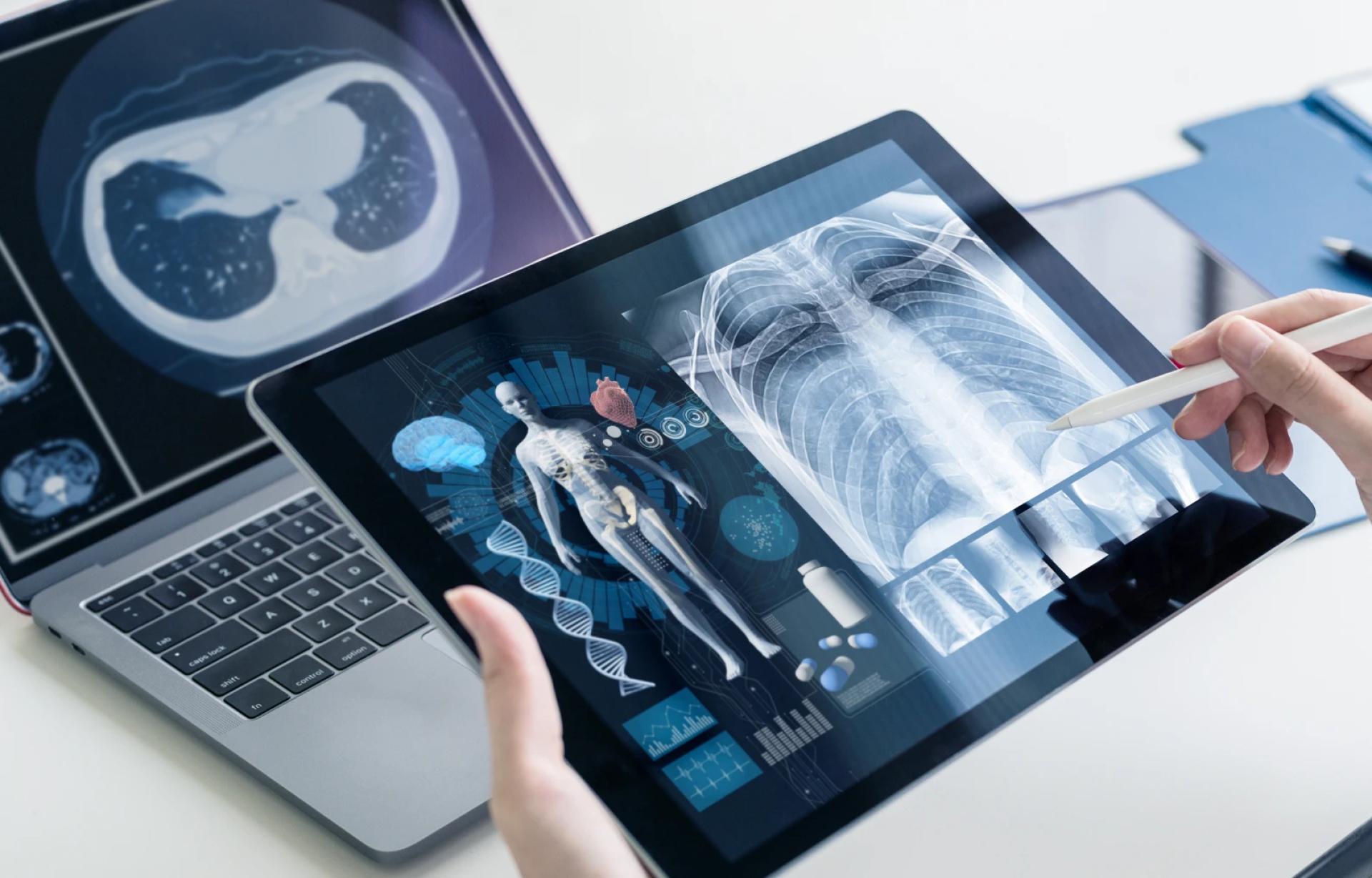

Medical imaging is a cornerstone of modern healthcare, guiding accurate diagnoses, treatment decisions, and patient management. From emergency trauma cases to routine outpatient screenings, imaging plays a vital role at every stage of care. However, hospitals today face mounting operational challenges, including radiologist shortages, increasing imaging volumes, and expectations for faster report turnaround times.
To address these pressures, healthcare systems are turning to digital solutions that enhance efficiency without compromising diagnostic quality. Among the most impactful innovations is remote teleradiology, a model that is fundamentally transforming hospital imaging workflows and redefining how radiology services are delivered.
The Growing Challenges in Traditional Imaging Workflows
Hospital imaging departments are under unprecedented strain. The demand for CT scans, MRIs, and X-rays continues to rise due to aging populations, expanded screening programs, and advancements in diagnostic imaging. At the same time, many facilities struggle to recruit and retain qualified radiologists, particularly in rural or underserved regions.
Limited staffing often results in delayed reports, backlogs during peak hours, and gaps in overnight or weekend coverage. Emergency departments are especially affected, where delayed imaging interpretations can slow clinical decision-making and impact patient outcomes.
Radiologist burnout has also become a critical issue. Long work hours, overnight shifts, and constant high case volumes can lead to fatigue, reduced efficiency, and increased risk of diagnostic errors. These challenges make it clear that traditional, in-house imaging models alone are no longer sufficient to meet today’s healthcare demands.
What Is Remote Teleradiology?
Remote teleradiology enables medical images-such as X-rays, CT scans, MRIs, and ultrasounds-to be securely transmitted from a hospital to off-site radiologists for interpretation. Using advanced Picture Archiving and Communication Systems (PACS), cloud-based platforms, and encrypted networks, radiologists can access, analyze, and report imaging studies from virtually anywhere.
This approach removes geographic limitations and ensures hospitals have continuous access to qualified radiology professionals. Rather than depending entirely on local staff, facilities can tap into a broader network of experts, making imaging coverage more reliable and flexible.
How Remote Teleradiology Improves Hospital Workflows
1. Faster Turnaround Times
One of the most immediate benefits of remote interpretation is improved turnaround time. Imaging studies can be routed to available radiologists in real time, ensuring urgent cases are prioritized.
In emergency and critical care settings, faster reporting supports quicker diagnoses and treatment decisions, which can be life-saving. Reduced delays also help clear imaging backlogs and improve overall departmental efficiency.
2. Access to Subspecialty Expertise
Many hospitals lack in-house subspecialists in areas such as neuroradiology, musculoskeletal imaging, pediatric radiology, or cardiac imaging. Remote teleradiology allows complex or specialized cases to be assigned to radiologists with the appropriate expertise.
This access improves diagnostic accuracy, enhances physician confidence, and supports better patient outcomes-without requiring hospitals to hire multiple full-time subspecialists.
3. Reduced Radiologist Burnout
Sharing workloads with off-site radiologists helps ease pressure on internal teams. Balanced schedules and reduced overnight demands allow in-house radiologists to focus on complex cases and collaborative care.
By supporting healthier work patterns, remote solutions contribute to higher job satisfaction, improved productivity, and long-term retention of skilled professionals.
4. Cost-Effective Scalability
Hiring full-time radiologists to handle fluctuating imaging volumes can be costly and inefficient. Remote teleradiology service provider scalable support, allowing hospitals to adjust coverage based on demand.
Facilities can manage peak periods, seasonal increases, or unexpected staffing gaps without compromising quality-making imaging operations more financially sustainable.
Enhancing Patient Care Through Connectivity
Efficient imaging workflows directly influence patient care. Faster and more accurate diagnoses lead to timely treatments, shorter hospital stays, and improved care coordination across departments.
Physicians benefit from reliable access to imaging reports regardless of time or location, supporting informed clinical decisions and smoother communication between care teams. For patients, this means reduced waiting times and a more streamlined care experience.
The Future of Hospital Imaging
As healthcare technology continues to advance, teleradiology is evolving alongside innovations such as artificial intelligence, automated workflow tools, and integrated reporting systems. These technologies enhance image analysis, streamline case distribution, and support radiologists in delivering consistent, high-quality interpretations.
When combined with remote interpretation models, these advancements create resilient, future-ready imaging departments capable of adapting to changing clinical demands.
Healthcare providers like TopRad support hospitals by delivering secure, reliable, and clinically effective imaging solutions. By embracing digital transformation, hospitals can strengthen their radiology operations while maintaining the highest standards of patient care.
Conclusion
Remote teleradiology has become an essential component of modern hospital imaging workflows. By improving turnaround times, expanding access to subspecialty expertise, reducing radiologist burnout, and enabling cost-effective scalability, it addresses many of the challenges faced by today’s imaging departments.
Hospitals that adopt remote teleradiology services are better equipped to manage growing imaging demands, enhance diagnostic accuracy, and deliver timely, high-quality care in an increasingly digital healthcare environment.



























Sign in to leave a comment.