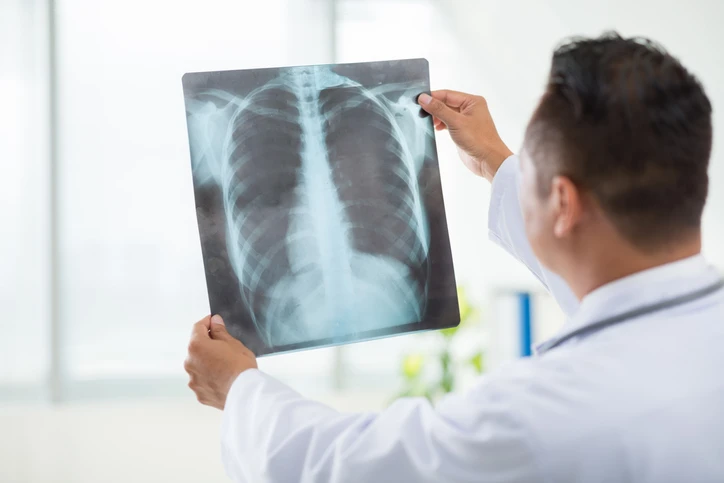

In today’s healthcare environment, accurate and timely diagnosis is critical to delivering effective patient care. However, many hospitals and imaging centers face challenges such as radiologist shortages, increasing imaging volumes, and the need for faster turnaround times. This is where Remote Radiology Services are making a significant impact. By enabling radiologists to interpret medical images from virtually anywhere, these services are improving both efficiency and patient outcomes across healthcare systems.
1. Faster Diagnosis and Reduced Turnaround Time
Time is often the most crucial factor in medical care. Remote radiology allows imaging studies to be transmitted instantly to available radiologists, eliminating delays caused by location or staffing limitations. This results in quicker report generation, enabling physicians to make timely decisions. Faster diagnoses can significantly improve outcomes, especially in critical cases such as trauma or stroke. In many situations, even a few minutes saved can make a substantial difference in patient recovery and survival rates.
2. 24/7 Access to Radiology Expertise
Healthcare facilities operate around the clock, but maintaining in-house radiology coverage at all hours can be difficult and costly. Remote radiology ensures continuous access to qualified radiologists, regardless of the time of day. This uninterrupted availability improves patient care by ensuring that no case is left waiting for interpretation, even during nights, weekends, or holidays. It also enhances patient confidence, knowing that expert care is always available when needed.
3. Improved Accuracy Through Subspecialty Expertise
Access to Specialized Radiologists
Not all imaging cases are straightforward. Some require the expertise of subspecialists who focus on specific areas such as neuroradiology, pediatric imaging, or oncology. Remote radiology networks connect healthcare providers with these experts, ensuring that complex cases receive highly accurate interpretations. This leads to better-informed treatment plans and improved patient outcomes. Access to a broader pool of specialists also allows for second opinions when necessary, further enhancing diagnostic confidence.
4. Enhanced Support for Rural and Underserved Areas
Many rural and underserved communities struggle with limited access to healthcare professionals, including radiologists. Remote radiology bridges this gap by delivering expert diagnostic services regardless of geographic location. Patients in remote areas can receive the same level of care as those in major cities, reducing disparities in healthcare access and improving overall patient satisfaction. This accessibility also helps local providers offer more comprehensive services without requiring patients to travel long distances.
5. Reduced Physician Burnout
Better Workload Distribution
Radiologists often deal with high volumes of imaging studies, which can lead to fatigue and burnout. Remote radiology distributes cases across a broader network of professionals, ensuring a more balanced workload. This not only improves the well-being of radiologists but also reduces the likelihood of errors, maintaining a high standard of care. A well-rested and focused radiologist is better equipped to deliver accurate and timely diagnoses.
6. Cost-Effective Healthcare Solutions
Operating a fully staffed, in-house radiology department requires significant investment in personnel, technology, and infrastructure. Remote radiology provides a more flexible and cost-effective alternative. Healthcare providers can scale services based on demand without compromising quality, allowing them to allocate resources more efficiently while still delivering excellent patient care. This financial flexibility is especially beneficial for smaller clinics and hospitals.
7. Improved Emergency Care
Rapid Response in Critical Situations
In emergency medicine, every second counts. Remote radiology ensures that urgent imaging studies are prioritized and reviewed immediately by available specialists. This rapid response is crucial in diagnosing life-threatening conditions such as internal bleeding, fractures, or strokes. Faster reporting enables quicker interventions, which can be life-saving. In high-pressure emergency settings, this efficiency directly contributes to better patient outcomes.
8. Seamless Integration with Digital Healthcare Systems
Streamlined Workflows and Communication
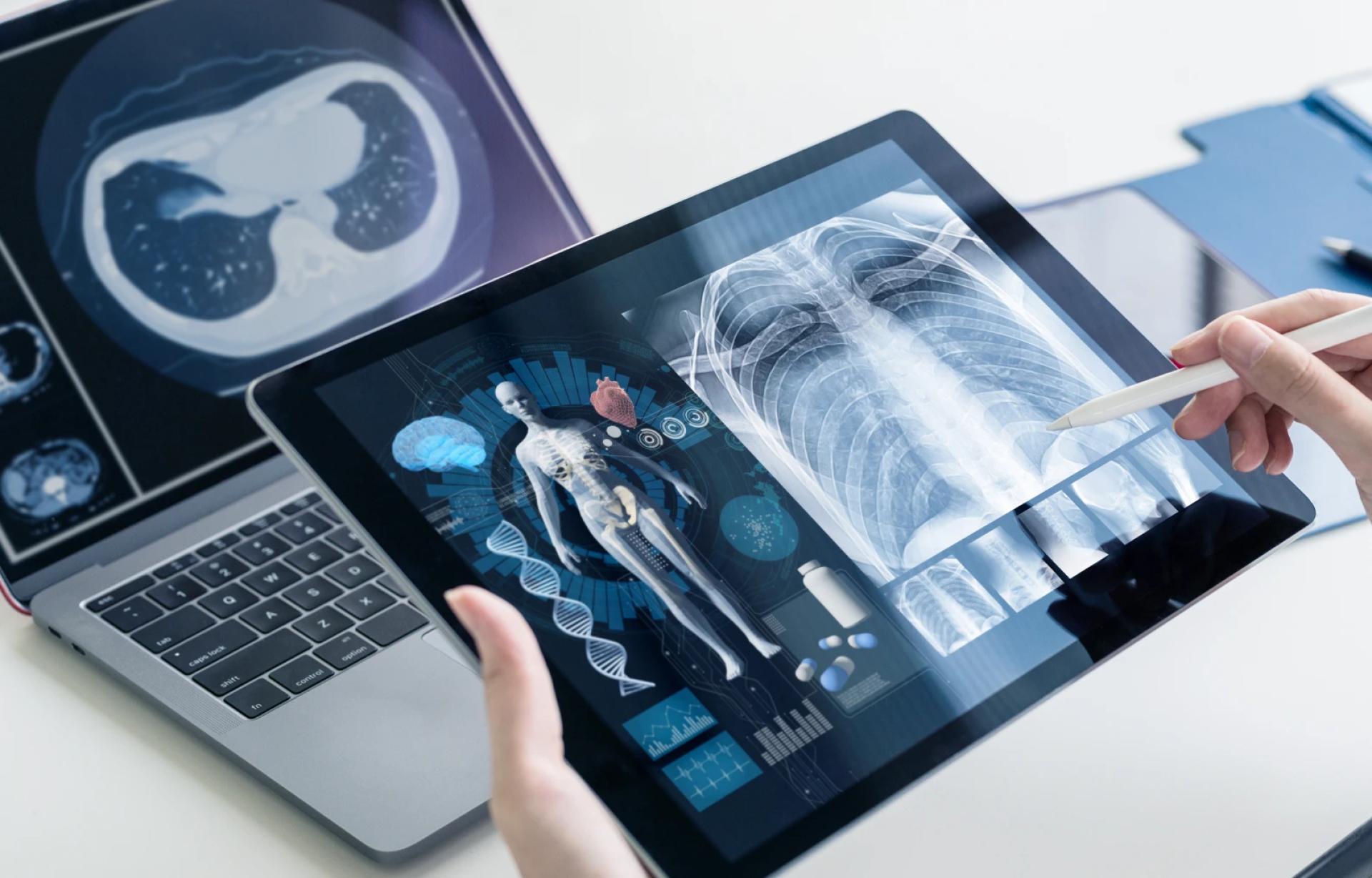
Modern remote radiology platforms are designed to integrate seamlessly with hospital systems such as PACS (Picture Archiving and Communication System) and RIS (Radiology Information System). This integration allows for efficient image sharing, report generation, and communication between healthcare providers. As a result, workflows become more streamlined, reducing delays and enhancing coordination across departments. Improved communication also minimizes errors and ensures that critical information reaches the right professionals without delay.
Conclusion
The adoption of Remote Radiology Services is transforming how healthcare providers deliver diagnostic care. By improving access to expertise, reducing turnaround times, and enhancing workflow efficiency, these services play a vital role in elevating patient care standards. They also address critical challenges such as workforce shortages and rising operational costs, making them an essential component of modern healthcare systems.
For organizations looking to enhance their radiology capabilities, solutions offered by Toprad provide reliable, scalable, and high-quality diagnostic support. By leveraging advanced technology and a network of experienced radiologists, healthcare providers can ensure timely and accurate diagnoses for every patient.

























Sign in to leave a comment.