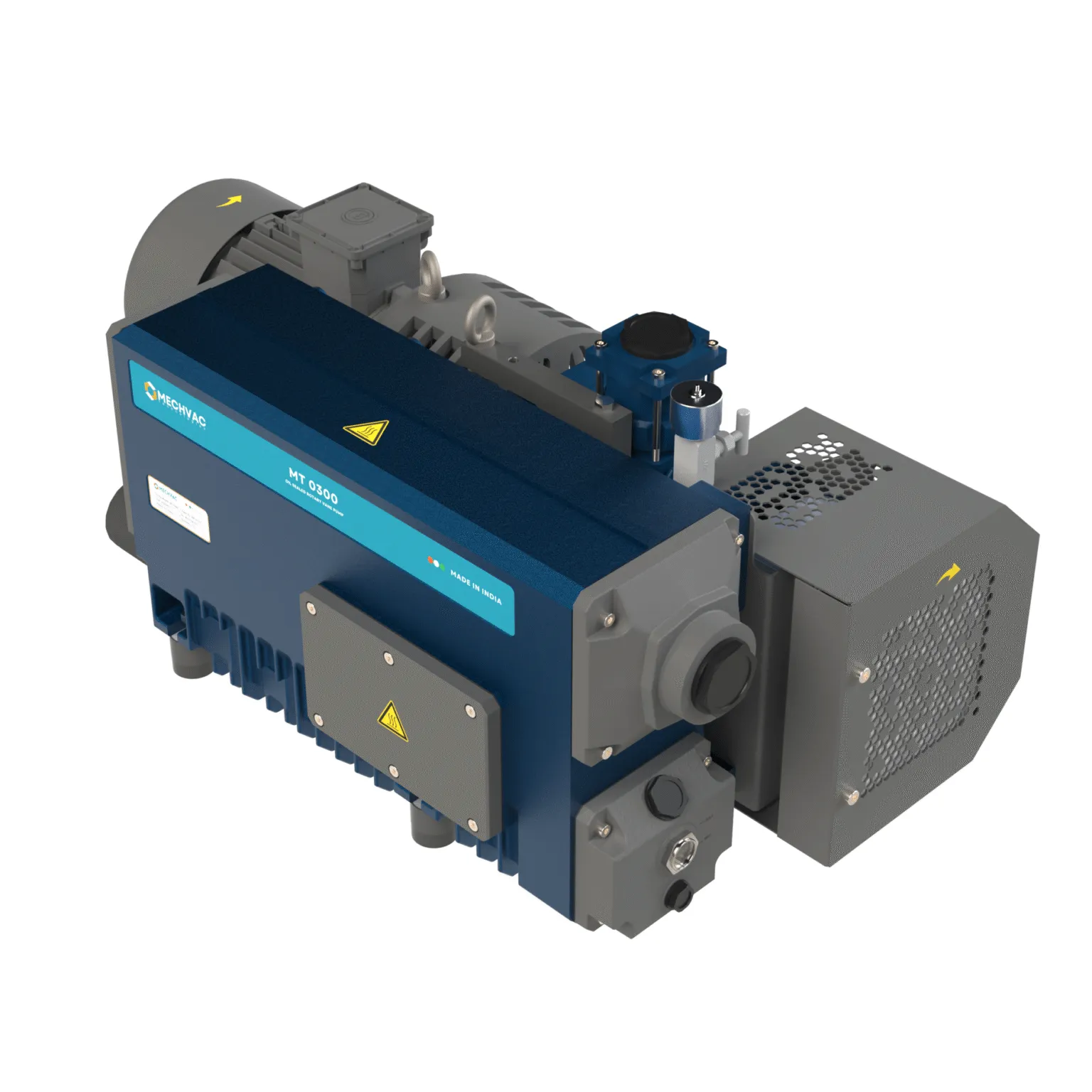

Vacuum technology plays a critical role in many industries, from manufacturing and packaging to laboratories and healthcare. Among the various types of vacuum pumps available, rotary vane vacuum pumps are widely used due to their reliability, efficiency, and relatively simple design. If you are new to this technology, understanding how it operates can seem complex at first. This guide breaks it down into clear, easy-to-follow steps so you can grasp the fundamentals with confidence.
Understanding the Working
To understand how rotary vane vacuum pump works, it is important to first know its basic purpose. A vacuum pump removes gas molecules from a sealed chamber to create a pressure lower than atmospheric pressure. The rotary vane design achieves this using a rotating mechanism that traps and compresses air, gradually expelling it from the system.
At its core, the pump consists of a cylindrical housing, a rotor mounted off-center, and several sliding vanes placed within the rotor slots. These components work together to create a continuous cycle of suction and compression.
Key Components of a Rotary Vane Vacuum Pump
Before diving into the step-by-step process, it helps to familiarize yourself with the main parts involved:
The rotor is positioned eccentrically inside the cylindrical chamber. This off-center placement is crucial for creating varying volumes within the pump.
The vanes are typically made of durable materials and are free to slide in and out of the rotor slots. They maintain contact with the inner wall of the chamber due to centrifugal force.
The inlet port allows air or gas to enter the pump from the system being evacuated.
The outlet port releases compressed air out of the pump.
In oil-sealed versions, oil plays a key role in sealing gaps, lubricating moving parts, and improving overall efficiency.
Step 1: Air Intake Through the Inlet
The process begins when the pump is switched on and the rotor starts spinning. As it rotates, the vanes slide outward and maintain contact with the inner wall of the cylinder. This creates enclosed spaces between the vanes, the rotor, and the chamber wall.
When one of these spaces passes by the inlet port, it expands in size. This expansion lowers the pressure within the space, allowing air or gas from the connected system to be drawn into the pump.
Step 2: Trapping the Air
Once the air enters the chamber, it becomes trapped between two vanes. The design ensures that this pocket of air is sealed off as the rotor continues to rotate.
Because the rotor is off-center, the volume of the trapped space changes as it moves along the chamber. This is a key feature that enables the compression process.
Step 3: Compression of the Trapped Air
As the rotor keeps turning, the trapped air moves toward the outlet side of the pump. During this movement, the space containing the air gradually becomes smaller.
This reduction in volume increases the pressure of the trapped air. Essentially, the pump compresses the air by squeezing it into a smaller space.
In oil-sealed pumps, a thin layer of oil helps maintain an effective seal, preventing air from leaking backward and ensuring consistent compression.
Step 4: Exhaust Through the Outlet
Once the pressure of the compressed air becomes high enough, it reaches the outlet port. At this stage, the outlet valve opens, allowing the compressed air to be expelled from the pump.
This process ensures that the removed air does not return to the evacuated system, maintaining the vacuum.
Step 5: Continuous Operation Cycle
The rotary vane vacuum pump operates in a continuous cycle. As long as the rotor keeps spinning, new air is drawn in, trapped, compressed, and expelled.
This steady repetition is what allows the pump to gradually reduce the pressure within a system and maintain a stable vacuum level over time.
Role of Oil in the Process
In many rotary vane vacuum pumps, oil is an essential component. It serves multiple purposes that enhance the pump’s performance.
Oil acts as a sealant, filling microscopic gaps between the vanes and the chamber wall. This prevents air leakage and improves vacuum efficiency.
It also lubricates moving parts, reducing friction and wear. This contributes to longer operational life and smoother functioning.
Additionally, oil helps dissipate heat generated during compression, keeping the pump at a stable operating temperature.
Advantages of Rotary Vane Vacuum Pumps
One of the main reasons these pumps are so popular is their balance of performance and simplicity. They are capable of achieving relatively deep vacuum levels compared to many other mechanical pumps.
Their compact design makes them suitable for a wide range of applications, from small laboratory setups to industrial processes.
They are also known for consistent performance, especially in systems that require continuous operation.
Common Applications
Rotary vane vacuum pumps are used across multiple industries due to their versatility.
In packaging, they help remove air from sealed products, extending shelf life and preserving quality.
In medical and laboratory environments, they are used in equipment that requires controlled vacuum conditions.
In manufacturing, they assist in processes such as degassing, drying, and material handling.
Their ability to deliver stable and reliable vacuum makes them a practical choice for both small-scale and large-scale operations.
Basic Maintenance Considerations
While these pumps are relatively easy to maintain, regular care is important for optimal performance.
Oil levels should be checked and replaced periodically to ensure proper sealing and lubrication.
Filters and seals should also be inspected to prevent contamination and leakage.
Keeping the pump clean and operating within recommended conditions can significantly extend its lifespan.
Conclusion
Understanding the working principle of a rotary vane vacuum pump becomes much easier when broken down into simple steps. From drawing in air to compressing and expelling it, each stage plays a vital role in creating and maintaining a vacuum.
With its straightforward design, reliable performance, and wide range of applications, this type of pump remains a dependable solution for many industries. By learning how it works and maintaining it properly, even beginners can confidently use and benefit from this essential piece of equipment.

























Sign in to leave a comment.