
Vacuum technology plays a critical role in countless industrial, scientific, and commercial processes. From manufacturing and packaging to research laboratories and healthcare facilities, the ability to remove air and gases from a sealed environment enables higher precision, improved efficiency, and better control over complex operations. Although the concept of creating a low-pressure space may seem simple, the mechanisms behind it involve carefully engineered systems designed to operate reliably under demanding conditions.
Over time, various methods have been developed to generate vacuum environments, each suited to specific pressure ranges and applications. Among these methods, mechanical systems remain widely used due to their robustness, versatility, and relatively straightforward operation. Understanding how these systems function provides valuable insight into why they continue to be essential across so many industries.
This article explores one of the most established mechanical vacuum technologies, examining its construction, operation, advantages, limitations, and real-world applications.
The Importance of Mechanical Vacuum Systems
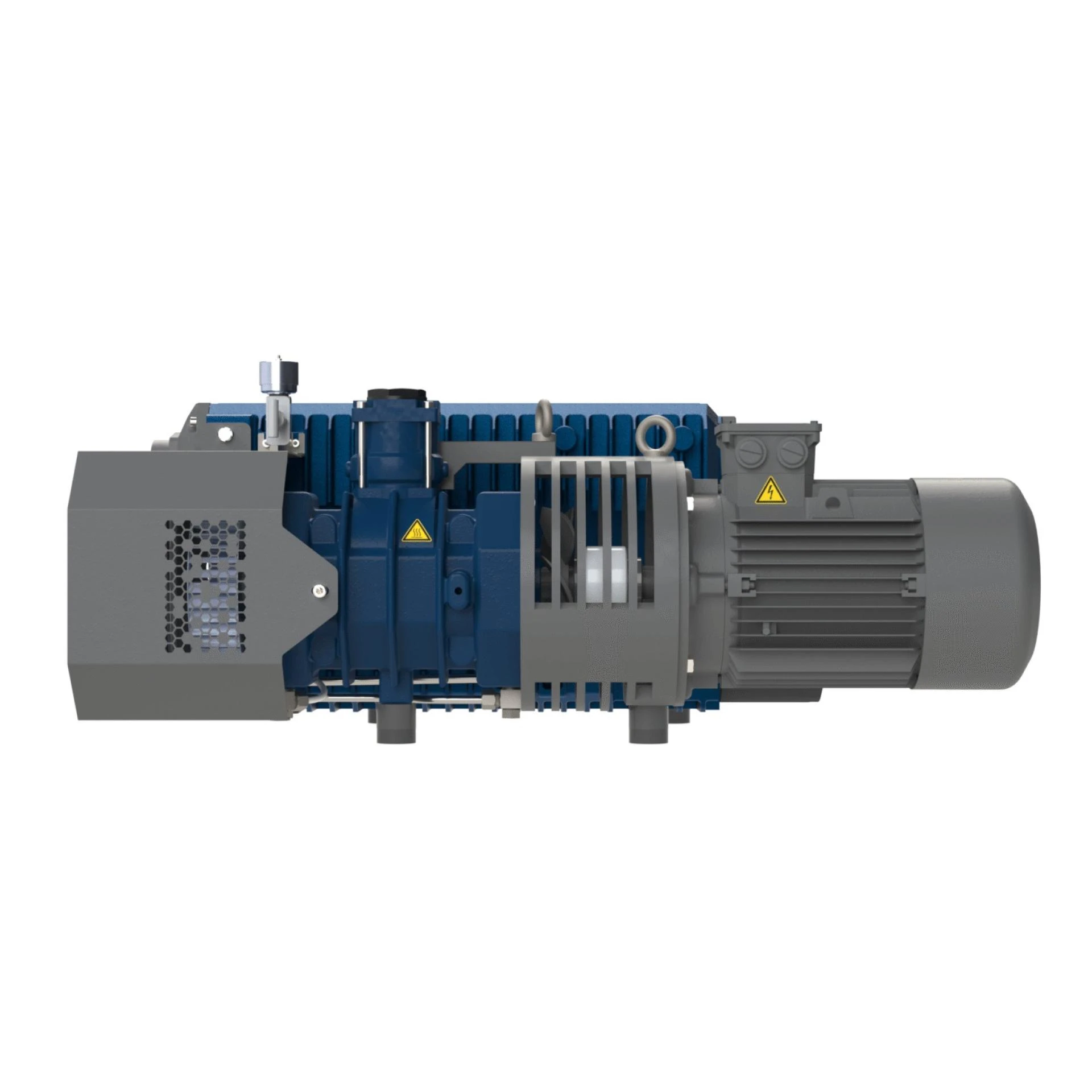
The rotary vane vacuum pump working principle is fundamental to many mechanical vacuum solutions used in industrial environments. These systems are often the first stage in creating a low-pressure environment, responsible for efficiently removing large volumes of air either as standalone units or as part of multi-stage vacuum setups.
Their popularity stems from several key factors:
- Reliable performance over long operating periods
- Ability to handle a wide range of gases
- Relatively simple design and maintenance
- Cost-effective operation for many applications
Because of these advantages, mechanical vacuum solutions are widely used in chemical processing, food packaging, pharmaceuticals, electronics manufacturing, and research laboratories.
Basic Construction of a Rotary Vane System
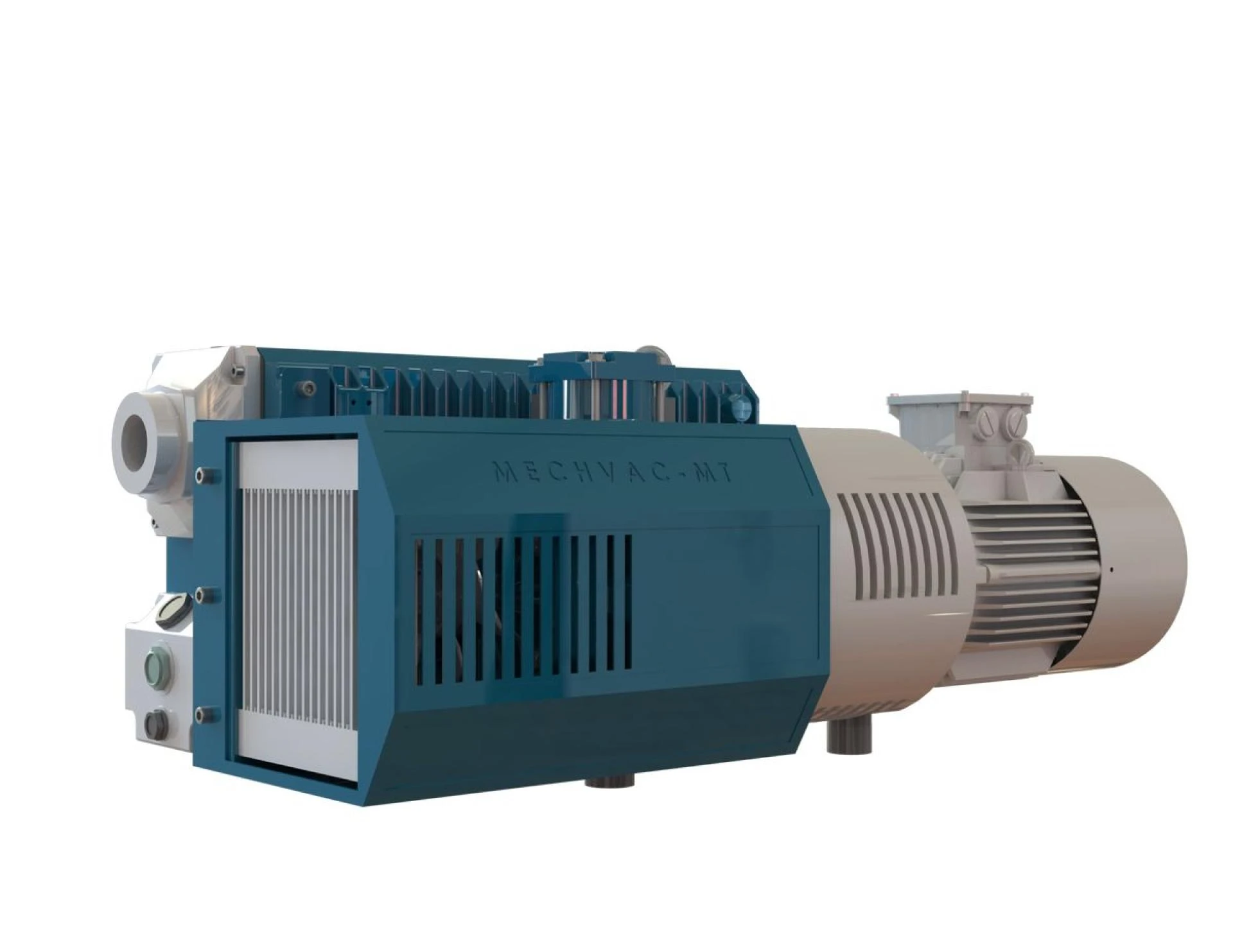
The core components of a rotary vane system are designed to work together to compress and expel gas from a sealed chamber. The main elements typically include a precisely machined cylindrical housing, an off-center rotor, sliding vanes, inlet and outlet ports, and a lubrication system.
The rotor rotates continuously within the housing, while the vanes slide outward and maintain contact with the chamber wall. This interaction creates sealed compartments that expand and contract, enabling controlled gas movement and compression throughout operation.
Step-by-Step Operation Explained
To understand how this system functions, it helps to follow the process step by step.
Gas enters the chamber through the inlet port as the rotor begins to turn. As rotation continues, expanding volumes draw gas into the chamber. The trapped gas is then compressed as the chamber volume decreases, and finally expelled through the outlet port.
This continuous cycle steadily removes gas from a connected vessel, lowering pressure until the desired vacuum level is achieved.
Working Principle in Detail
The operation relies on the offset positioning of the rotor, which creates variable chamber volumes during rotation. Sliding vanes maintain a seal against the housing wall, ensuring efficient gas capture and compression during each cycle.
Oil, when present, assists by sealing microscopic gaps, reducing friction, and dissipating heat. This combination of mechanical movement and controlled sealing results in stable, repeatable vacuum performance suitable for continuous operation.
This operating concept has remained effective for decades, demonstrating its reliability and adaptability across industries.
Role of Lubrication and Sealing
Lubrication plays a critical role in maintaining system efficiency and longevity. Oil enhances sealing between vanes and housing surfaces, reduces wear on moving components, absorbs generated heat, and helps trap contaminants.
Because of these factors, regular oil monitoring and maintenance are essential. In applications requiring low contamination levels, additional filtration or alternative dry designs may be considered.
Common Applications Across Industries
Due to their versatility and durability, rotary vane systems are widely used in many sectors.
In industrial manufacturing, they support forming, drying, degassing, and material handling. In food and beverage packaging, they enable effective vacuum sealing to preserve freshness and extend shelf life. Medical and laboratory equipment relies on stable vacuum levels for sterilization and diagnostics.
Printing, paper processing, research laboratories, and educational facilities also benefit from the consistent performance and adaptability of this technology.
Advantages of Rotary Vane Systems
Several factors contribute to the continued popularity of this technology.
These systems deliver consistent vacuum performance over extended operating periods. Their relatively simple design allows for compact installation, while initial investment and operating costs remain competitive.
They are well suited for rough to medium vacuum applications, making them an efficient choice for many industrial and commercial processes.
Limitations and Considerations
Despite their advantages, rotary vane designs have certain limitations. Dependence on oil can introduce contamination risks, and regular maintenance is required to sustain performance.
Efficiency decreases at very high vacuum levels, and exposure to particulate or corrosive gases can accelerate wear. Understanding these constraints is essential when selecting the right vacuum solution.
Maintenance and Operational Best Practices
Consistent performance depends on proper maintenance. Regular oil changes, temperature monitoring, vane inspection, and filter cleaning help prevent unexpected downtime.
Routine servicing not only extends equipment life but also ensures stable vacuum levels and energy-efficient operation.
Energy Efficiency and Process Control
Energy consumption is an important factor in modern industrial systems. Proper sizing, correct operating conditions, and routine maintenance help optimize energy use.
Automated controls and pressure regulation systems reduce unnecessary operation and allow vacuum performance to adjust dynamically based on process demand.
Physical Forces Influencing Operation
During rotation, vane movement and gas compression are influenced by centrifugal force, which pushes the vanes outward against the housing wall. This force helps maintain an effective seal, allowing the system to form enclosed chambers that expand and contract reliably throughout each rotation.
Understanding this physical influence helps explain why vane contact remains consistent even during high-speed operation.
Future Outlook of Rotary Vane Technology
Although newer vacuum technologies continue to emerge, rotary vane designs remain relevant due to their simplicity, affordability, and proven reliability.
Ongoing improvements in materials, sealing methods, and lubrication technologies are enhancing efficiency and durability. These systems are expected to continue serving applications where moderate vacuum levels and dependable operation are required.
Conclusion
Rotary vane technology has earned its place as a cornerstone of mechanical vacuum generation. Its straightforward design, dependable operation, and broad applicability make it a trusted solution across many industries. While it may not be suitable for every high-purity or extreme vacuum application, it continues to deliver reliable performance where efficiency and practicality are paramount.
By understanding how this technology works, along with its strengths and limitations, users can make informed decisions and ensure optimal performance in vacuum-dependent processes.



























Sign in to leave a comment.