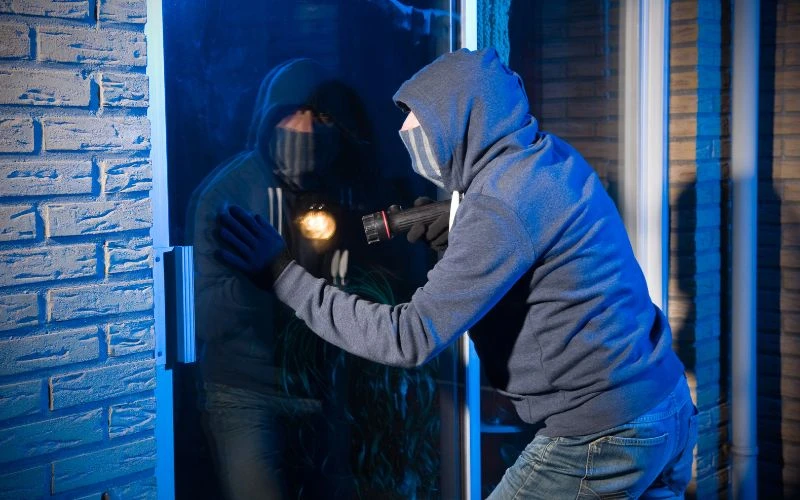

“A standard household door can fail in under a minute.” That single fact explains why doors remain the most targeted entry point during home break-ins across Melbourne. Intruders rarely rely on complex tactics. Speed matters. Weakness matters even more. Unfortunately, many homes still rely on doors that were never designed to resist force.
Security doors change that equation. Not by appearing aggressive, but by quietly removing opportunity. Understanding how break-ins occur helps explain why modern security doors are now viewed as a frontline defence rather than a cosmetic upgrade.
Why Understanding Forced Entry Matters
Most break-ins are opportunistic. Intruders look for the fastest way inside, then an equally fast exit. Doors are often chosen because they are easier to compromise than walls or windows. Weak frames, outdated locks, and poor installation all contribute to this risk.
Recent trends across metropolitan areas show a clear pattern. Homes without visible security features are more frequently targeted. Those with reinforced entry points are often bypassed. Awareness is the first step towards prevention.
How Burglars Commonly Break Through Doors
Kick-In Attacks
This method relies on brute force. A strong kick near the lock can cause weak frames or shallow strike plates to fail. Timber doors and older frames are particularly vulnerable. Once the frame gives way, access is immediate.
Pry Attacks
Crowbars and screwdrivers are used to create leverage between the door and frame. Even small gaps are enough. Once pressure is applied, the latch can release within seconds.
Lock Picking And Bumping
Older locks are predictable. With basic tools, some can be manipulated quietly, leaving little visible damage and delaying detection.
Frame And Hinge Attacks
When locks resist, attention shifts to hinges or the surrounding frame. Poorly secured hinges or thin frames can be bent or forced apart.
Each method succeeds for the same reason. Standard doors are not engineered to withstand sustained force.
How Security Doors Stop These Break-In Methods
Security doors are designed to resist impact, leverage, and manipulation. Instead of failing at a single point, force is distributed across the entire door system.
Reinforced aluminium frames, heavy-duty strike plates, and multi-point locking systems work together to strengthen the entryway. Tamper-resistant hinges and internal mesh or panel systems add further protection.
This layered design makes common break-in techniques inefficient. Kicking loses effectiveness. Prying finds no leverage. Lock manipulation becomes far more difficult. In most cases, intruders abandon attempts once resistance increases.
Are Aluminium Security Doors Strong Enough?
Aluminium security doors are widely used because they offer a strong balance between durability and practicality. Aluminium resists corrosion, making it suitable for Melbourne’s changing weather conditions. At the same time, it remains rigid enough to absorb force without warping.
Unlike heavier materials, aluminium places less strain on hinges and frames over time. This helps maintain alignment and long-term performance. Modern finishes also allow these doors to suit a wide range of home styles.
Why Installation Quality Makes A Difference
If the door is not installed correctly, it can break. Frame reinforcement, anchoring, and alignment are all crucial.
When frames are installed correctly, they are secured to structural supports in addition to wall linings. Strike plates must be anchored deeply, and gaps around the door must be eliminated. Think of it like a chain. One weak link compromises the entire system.
Real Results Across Melbourne’s Suburbs
Improved door security is already making a difference across Melbourne. Doreen homeowners trust these security doors and have reported fewer attempted break-ins after replacing standard entry doors with reinforced options. Increased resistance often causes intruders to move on quickly.
Similar outcomes are being seen with homes in Coburg that installed trustworthy security doors, where older homes have traditionally been more vulnerable. Reinforced frames and advanced locking systems have helped reduce forced entry attempts.
Beyond statistics, the most noticeable change is confidence. These doors are not just physical barriers. They represent prevention and peace of mind.
Frequently Asked Questions
Do security doors really prevent break-ins?
Yes. Security doors significantly reduce break-in attempts by increasing resistance at the main entry point. Strong frames and advanced locking systems discourage forced entry.
Are security doors visible enough to deter intruders?
Yes. Visible security doors signal increased risk and resistance, making homes less attractive targets.
How long do aluminium security doors last?
With correct installation and basic maintenance, aluminium security doors can last many years.
Final Thoughts
Most break-ins succeed because doors fail too quickly. Security doors change that outcome by removing easy access points and increasing resistance where it matters most. Through reinforced construction, advanced locking systems, and proper installation, modern security doors turn speed into delay — and delay into deterrence.
When entry becomes harder, intruders leave. That change alone makes security doors one of the most effective ways to safeguard Melbourne homes.



















Sign in to leave a comment.