

Running an NDIS business takes care, patience, and a strong sense of responsibility. Every day, providers support participants with daily living, community access, personal care, transport, skill building, support coordination, and independent living.
But good support alone does not always bring new enquiries. Families, carers, participants, and support coordinators still need to find your services online.
Most people start with Google. They search for nearby providers, compare websites, read reviews, check service areas, and decide which business feels safe enough to contact. A clear online presence helps them make that decision with more confidence.
That is why SEO for NDIS provider websites matters. It helps your business appear in search results when people look for disability support services in your area. It also helps your website explain your services in a simple, caring, and trustworthy way.
What Is NDIS SEO?
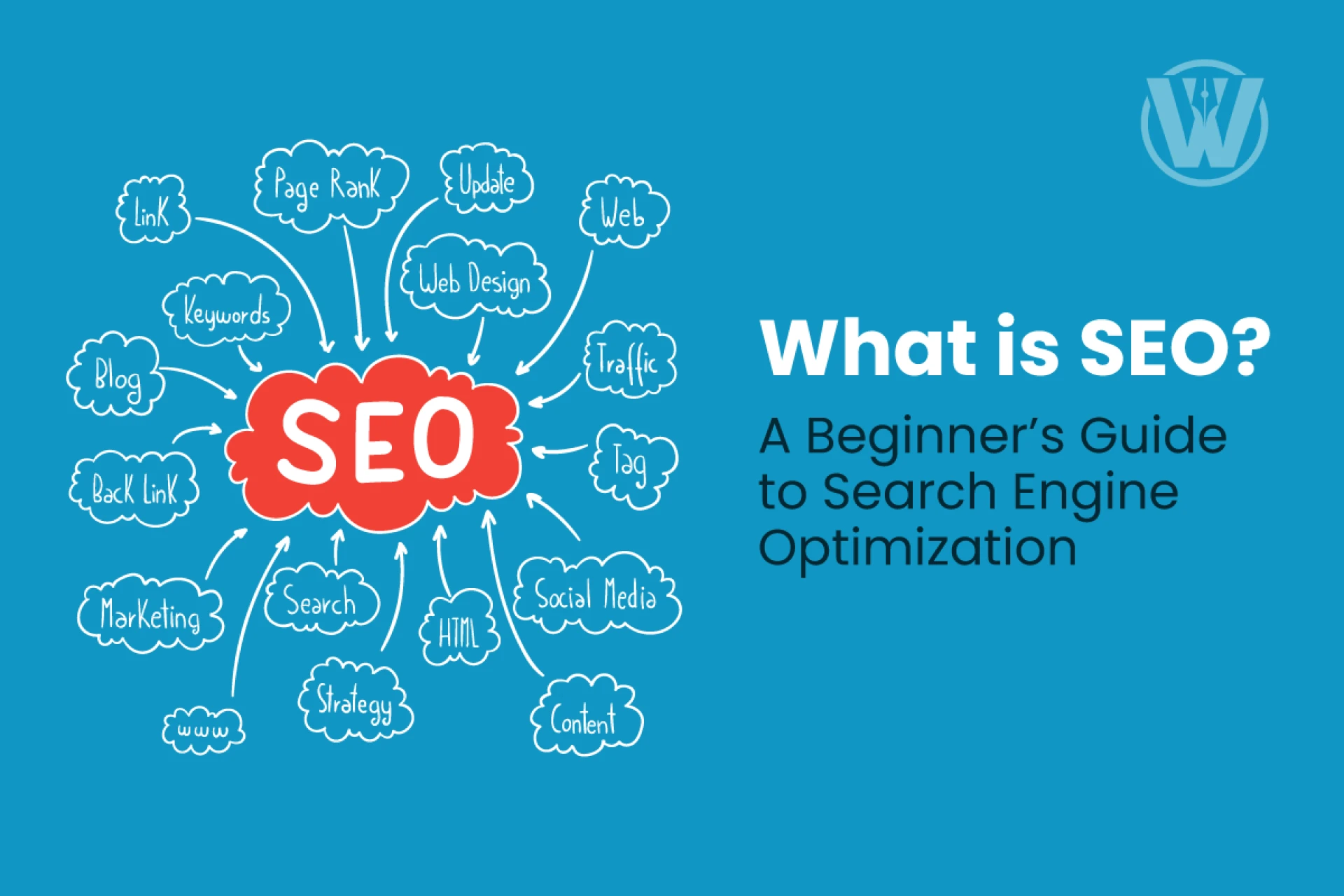
NDIS SEO means Search Engine Optimisation for disability support providers. It helps your website show up on Google when people search for NDIS services.
A strong NDIS SEO strategy focuses on two things: helping Google understand your business and helping people understand your services.
This can include:
- Clear service pages
- Local suburb or service area pages
- Helpful blog content
- Google Business Profile updates
- Online reviews
- Fast website loading
- Mobile-friendly design
- Simple contact options
- Trust signals, such as team photos and service details
The goal is simple. Your website should help the right people find you, understand what you offer, and feel comfortable enough to contact your team.
Why Online Visibility Matters for NDIS Providers
Families often feel overwhelmed while looking for disability support. They may need help urgently. They may also feel unsure about which service fits their situation.
Before they call, they often ask:
- Does this provider support my suburb?
- Do they offer the service I need?
- Do they sound caring and professional?
- Can I trust them with personal care or community support?
- Do other families recommend them?
- Can I contact them easily?
Your website should answer these questions quickly.
Good online visibility helps your business reach local participants, build trust early, and receive better-quality enquiries. It also helps your team compete with other providers in the same region.
Without SEO, families may not find your business, even if your support quality is excellent.
How Does SEO Help NDIS Providers Get More Enquiries?
SEO helps NDIS providers appear on Google when participants, families, and support coordinators search for local disability support services. It improves service pages, local visibility, content, reviews, website speed, and mobile experience so more people can find, trust, and contact the provider.
Build a Clear and Helpful Website
Your website creates the first impression for many families. A confusing site can push visitors away within seconds.
A strong NDIS website should clearly explain:
- What services you offer
- Who you support
- Where you provide support
- How your process works
- How families can contact you
- Why your team feels trustworthy
Each main service should have its own page. A single page that lists every service usually does not give enough detail for people or Google.
For example, separate pages may cover:
- Daily living support
- Personal care
- Community participation
- Support coordination
- Supported independent living
- Transport support
- Respite care
- Domestic assistance
Each page should explain the service in plain English. Tell readers who the service helps, what support may include, and how they can make an enquiry.
Use Simple and Caring Language
NDIS language can feel confusing for families. Many people already deal with paperwork, plan reviews, support needs, and emotional stress. Your website should make things easier.
Avoid heavy phrases and formal wording. Speak clearly.
Instead of:
“Participant-centred supports are delivered across multiple functional domains.”
Write:
“We help participants with daily tasks, personal care, community access, and building independence.”
Simple language builds trust. It also helps search engines understand the topic of each page.
Professional does not need to mean complicated. In disability support, clear and kind language often works best.
Focus on Local SEO
Local SEO matters because most participants look for services close to home. They may search by suburb, city, region, or “near me” terms.
Strong local SEO helps your business appear for searches connected to your service areas.
Add Your Service Areas Clearly
Your website should show where your team provides support.
For example:
- Western Sydney
- South Brisbane
- Central Melbourne
- Logan
- Ipswich
- Blacktown
- Parramatta
Location pages can help, but they need useful information. Avoid copying the same content across every suburb page and only changing the place name.
A good location page should explain the services available in that area, who you support, and how people can contact your team.
Improve Your Google Business Profile
Your Google Business Profile can help your business appear on Google Maps and local search results.
Keep it updated with:
- Business name
- Phone number
- Website link
- Service areas
- Business hours
- Photos
- Service categories
- Posts
- Reviews
A complete profile helps families feel more confident. It also gives Google stronger information about your business.
Keep Your Details Consistent
Your business name, phone number, address, website, and service areas should match across the web.
Check your:
- Website
- Google Business Profile
- Social media pages
- Online directories
- NDIS-related listings
Consistent information helps search engines trust your business. It also helps families contact the right place without frustration.
Create Content That Answers Real Questions
Helpful content plays a major role in SEO. It also helps families feel calmer before they reach out.
People often search for answers before they choose a provider. Your website can support them through that process.
Useful blog topics may include:
- How to choose an NDIS provider
- What support coordination means
- How community access support works
- What personal care support includes
- How transport support can help participants
- Questions to ask before starting NDIS services
- How families can prepare for a first support meeting
Good content shows that your team understands participant needs. It also helps Google connect your website with relevant searches.
Each article should use clear headings, short paragraphs, and practical answers. Avoid writing just for keywords. Write for people first, then optimise the page carefully.
Build Trust with Real Photos and Reviews
Trust matters deeply in disability support. Families often want to see who sits behind the business before they make contact.
Real photos can help your website feel more personal and honest. Stock photos may look polished, but they often feel distant.
Consider showing:
- Your team
- Your office
- Team training
- Community events
- Service vehicles
- Group activities, with consent
Always protect participant privacy. Only use images with clear permission.
Reviews also help build trust. Many families read reviews before they call a provider. Positive feedback can reassure them that other people have had a good experience.
Ask happy participants, families, and support partners to leave honest reviews. Make the process simple. Send a direct review link after a positive conversation or service milestone.
Reply to reviews with care. Thank people for kind words. Respond calmly to concerns. A respectful response shows that your team listens.
Make Your Website Mobile-Friendly
Many families search for NDIS services on their phones. A website that looks messy or loads slowly on mobile can lose enquiries quickly.
Your mobile site should have:
- Easy-to-read text
- Simple menus
- Tap-friendly buttons
- Clickable phone numbers
- Short enquiry forms
- Fast loading pages
- Clear service information
A visitor should not need to hunt for your phone number. Make the next step obvious on every important page.
Mobile experience also affects SEO. Google wants to show pages that work well for users, especially on phones.
Improve Website Speed
Slow websites frustrate visitors. They can also affect search performance.
A faster site helps people move through your pages without waiting. It also makes your business look more professional.
Simple speed improvements include:
- Compressing large images
- Removing unused plugins
- Cleaning up page layouts
- Using reliable hosting
- Reducing large video files
- Fixing broken links
Small technical improvements can make a big difference to user experience.
Use Social Media to Support Trust
Social media may not replace SEO, but it can support your online presence. It gives people another way to see your team, values, and activities.
You can share:
- Team updates
- Community activities
- Service reminders
- Helpful NDIS tips
- Awareness days
- Participant-safe success stories
- Behind-the-scenes moments
You do not need to post every day. A steady rhythm works better than a sudden burst followed by silence.
Focus on trust, not likes. Families want to see the people and care behind your services.
Avoid Common NDIS SEO Mistakes
Many providers want better online results but make small mistakes that slow growth.
Avoid:
- Using too much jargon
- Writing vague service descriptions
- Copying suburb pages
- Ignoring Google reviews
- Hiding contact details
- Leaving old phone numbers online
- Forgetting mobile users
- Publishing blogs with no clear purpose
- Treating SEO as a one-time task
SEO works best through steady improvement. Search results change, competitors improve, and families ask new questions. Your website should keep growing too.
Final Thoughts
NDIS providers do meaningful work, but families need to find that work before they can ask for support.
A clear website, strong local visibility, helpful content, real photos, good reviews, and simple contact options can all help your business grow online.
You do not need complicated marketing to make progress. Start with clear information. Explain your services in plain English. Show where you work. Answer real questions. Help families feel safe before they contact you.
Over time, strong NDIS SEO can make your business easier to find, easier to trust, and easier to choose.
























Sign in to leave a comment.