You’ve just discovered a nasty sewage backup in a bathroom or basement, and the smell? Absolutely soul-crushing. Standing there with a plunger and a bucket feels heroic—until reality hits: this is not a DIY mess you can ignore. Spoiler: a professional sewage mitigation specialist is what’s needed, fast.
Sewage is more than gross—it’s a health hazard and a structural threat. Knowing how professional sewage mitigation specialists clean and sanitize contaminated areas changes everything. It’s not just about cleaning what you can see; it’s about stopping pathogens, odors, and damage from turning into a recurring nightmare.
Why Sewage Cleanup Requires Specialized Mitigation
A sewage spill compacts a cocktail of pathogens, odors, and water damage. Normal cleaning is ineffective—and potentially dangerous. Professionals use structured protocols to make contaminated spaces safe again.
Pathogen Exposure Is the Highest Risk
Sewage carries bacteria like E. coli, hepatitis A, and other microbes that pose serious health concerns. Exposure through contact or aerosol increases illness risk. Only trained professionals use protective gear, disinfection protocols, and containment to limit exposure.
Porous Materials Trap Contaminants
Carpets, drywall, baseboards, and flooring absorb contaminated water. If those layers aren’t removed or deeply sanitized, microbes remain hidden even after visible signs vanish.
Fun Fact: Some sewage pathogens can survive on carpets and flooring for up to several weeks if not properly sanitized.
Step-by-Step Process Used by Sewage Mitigation Specialists
Here's how professionals turn a contaminated mess into a clean, safe space—using precise methods designed for biohazard control and odor prevention.
Initial Assessment and Hazard Containment
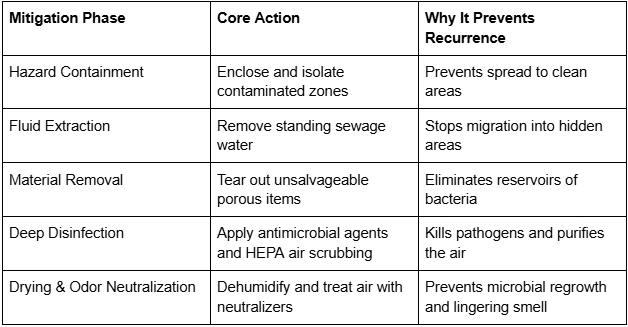
Professionals begin with a structured inspection. They assess affected zones, identify water flow areas, and evaluate the spread of contamination. Once mapped, physical barriers and air scrubbers isolate the area to prevent cross‑contamination.
Extraction of Contaminated Fluids
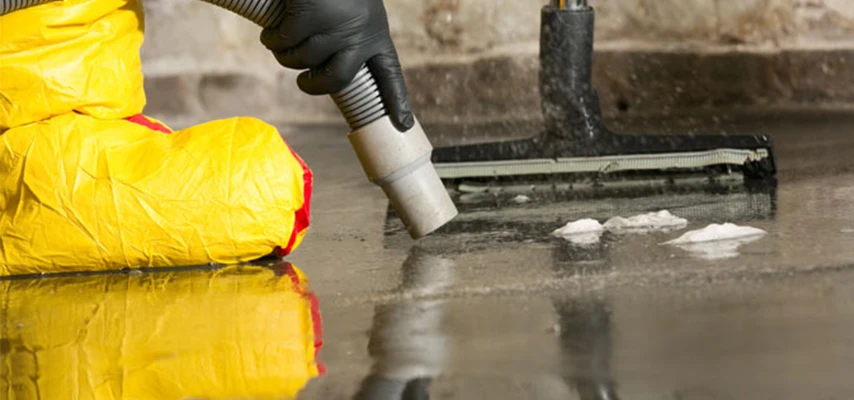
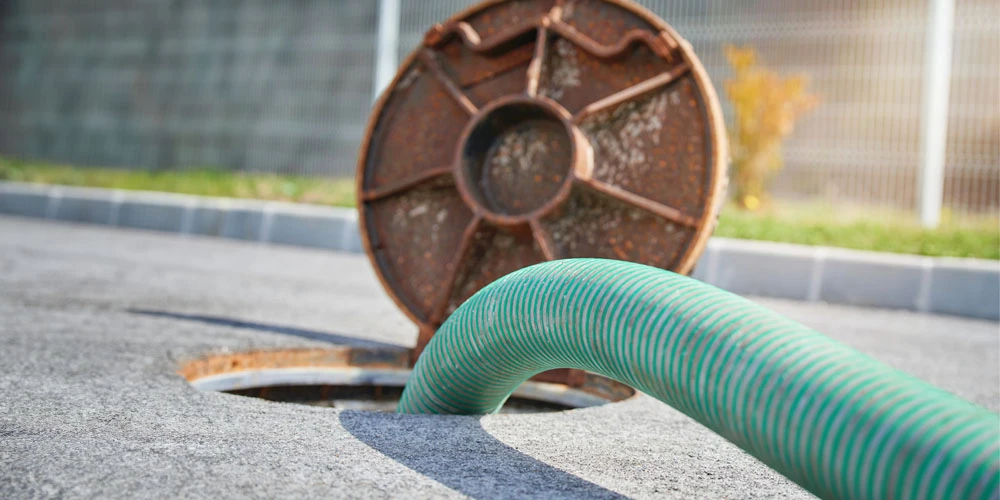
High‑powered pumps and wet vacuums remove sewage from floors, walls, and cavities. Quick extraction stops further soaking and limits migration into hidden layers.
Removal of Damaged Materials
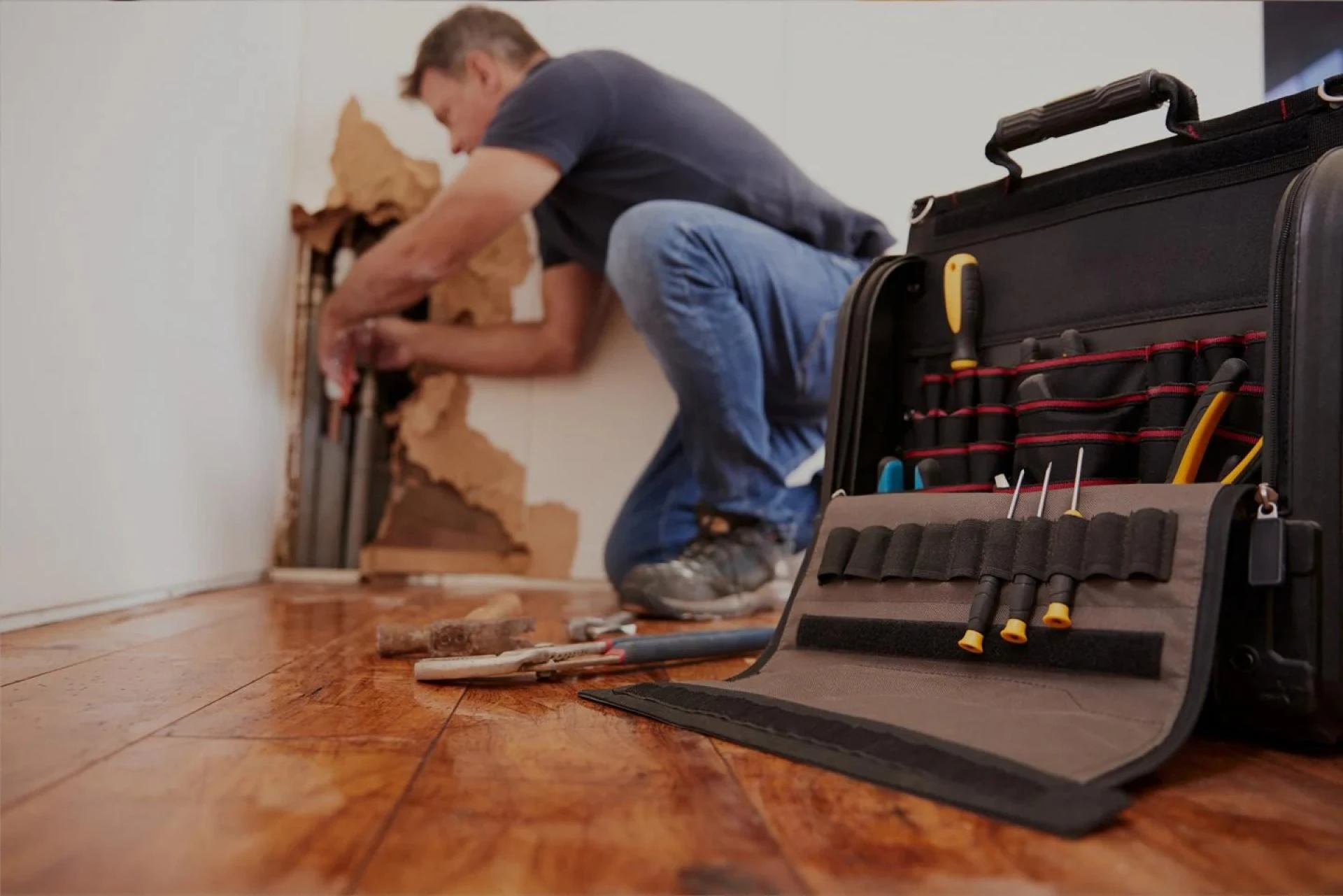
Any porous or soaked materials that cannot be reliably disinfected are carefully removed. Flooring, drywall, and padding may be torn out. This prevents trapped bacteria and future odor emergence.
Deep Disinfection and Sanitization
Certified-grade antimicrobial solutions are applied to every exposed surface. This includes structural wood, subflooring, and non-removable fixtures. HEPA air filtration units run continuously to control airborne pathogens.
Drying and Odor Control
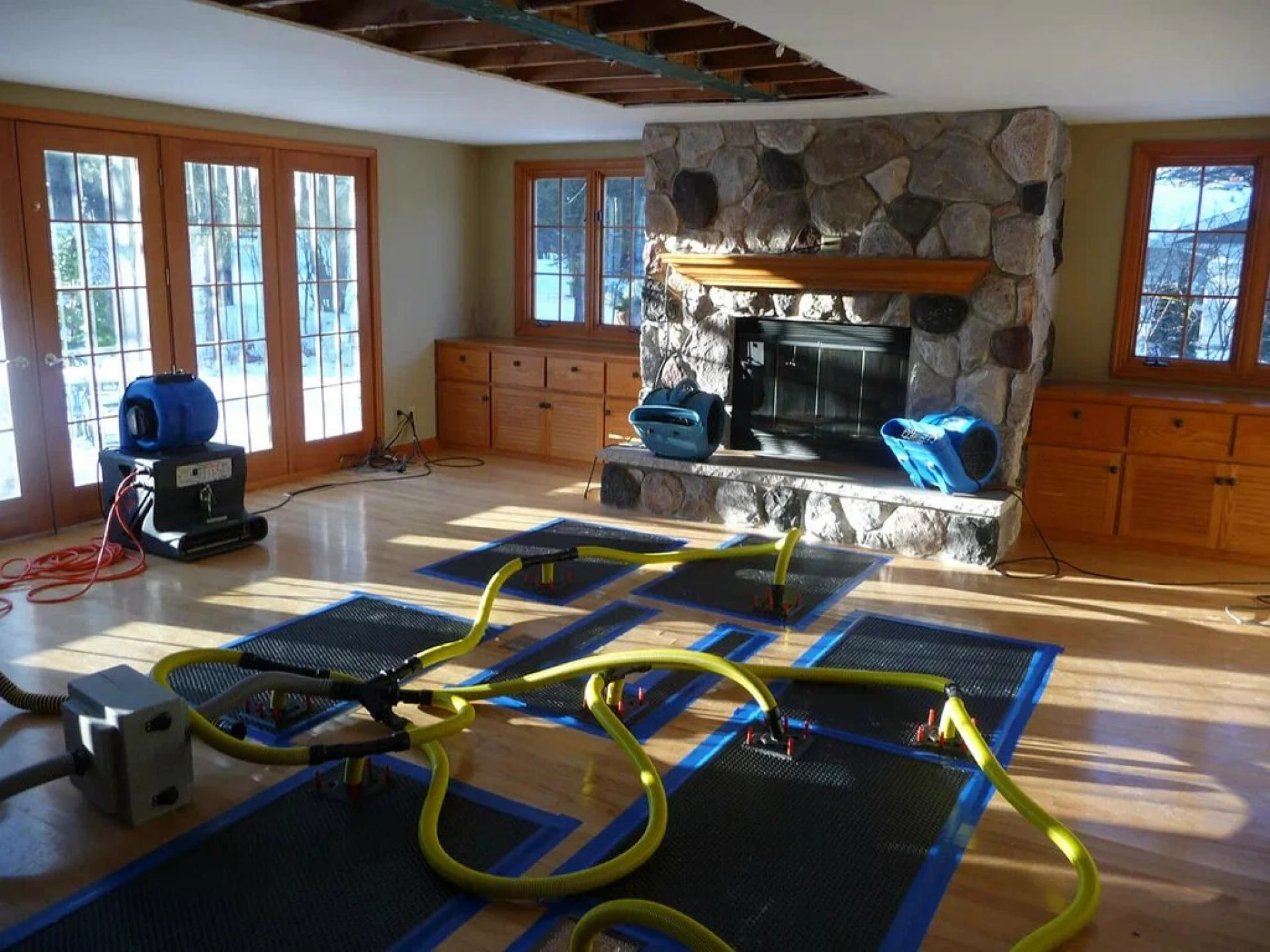
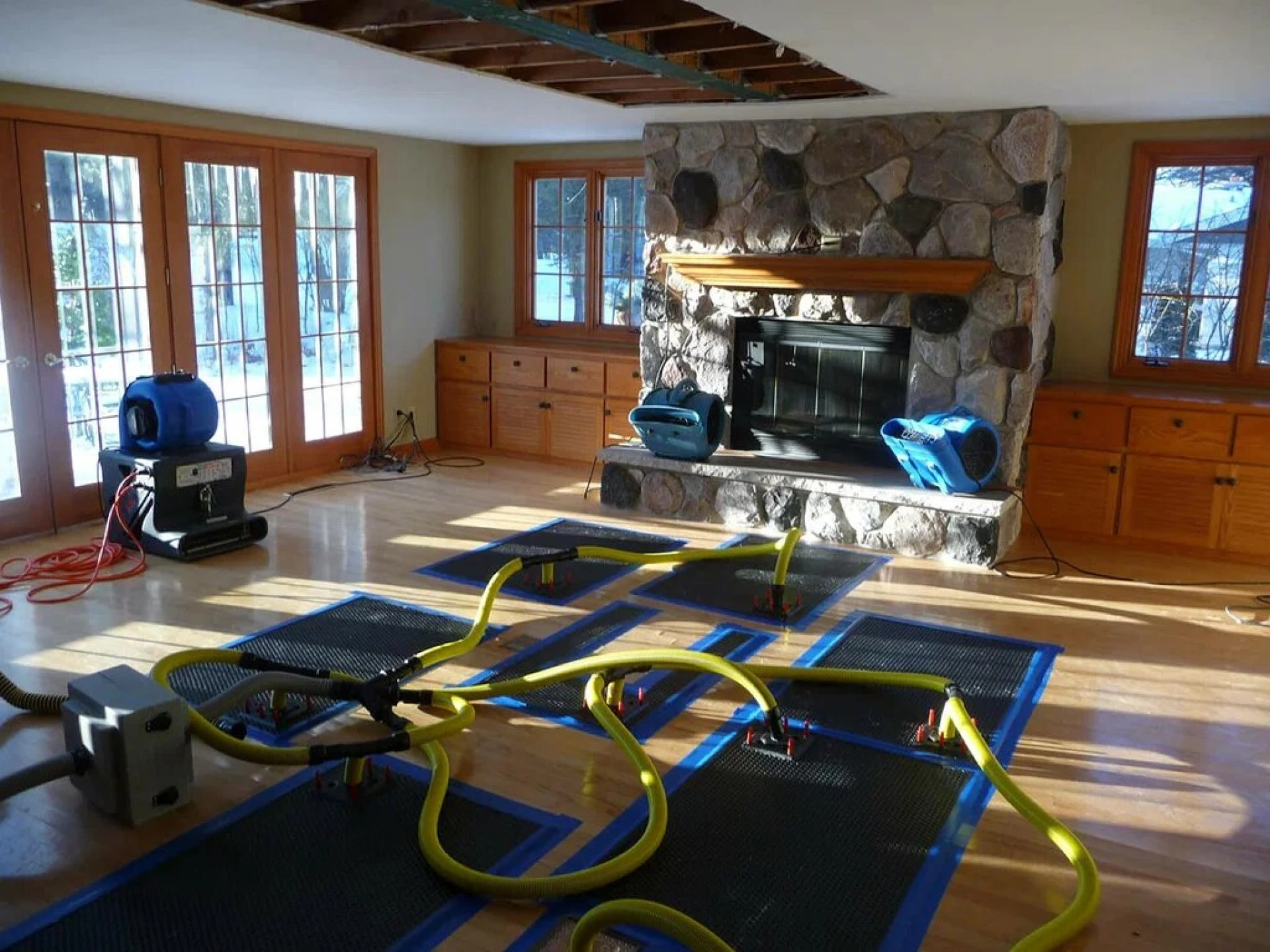
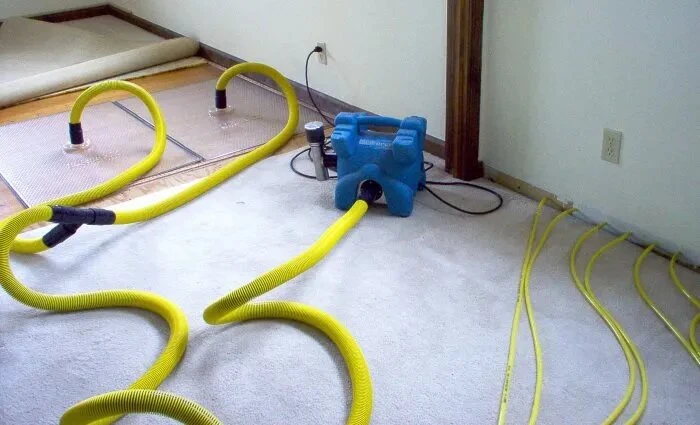
Industrial dehumidifiers speed moisture removal and stabilize humidity levels. Odor-neutralizing agents and hydroxyl generators eliminate lingering sewage smell, not just mask it.
Fun Fact: HEPA filters remove up to 99.97% of airborne particles sized 0.3 microns, meaning bacteria and mold spores get filtered out during cleanup.
Why Timing and Precision Matter in Sewage Mitigation
Every hour that passes increases health risks, structural damage, and cleanup complexity. Quick, accurate response is non‑negotiable for effective mitigation.
Immediate Action Prevents Structural Damage
Sewage moisture soaks through subflooring, wall studs, and other structural elements. If not extracted within hours, rot and decay begin. Professional drying and removal prevent long‑term weakening.
Delayed Cleanup Raises Health Hazards
Pathogens multiply rapidly in standing sewage. Without containment and disinfection, the risk to occupants rises dramatically within 24 hours.
Improper Cleanup Can Spread Contamination
Using standard cleaning equipment without containment or HEPA filtration risks moving pathogens to unaffected areas. That’s how cross‑contamination happens—and how recurring problems emerge.
Key Differences Between DIY Cleanup and Professional Mitigation
A wet-vac and bleach won’t cut it when facing raw sewage. Here's what sets specialists apart.
Trained Technicians with Biohazard Expertise
Professionals use personal protective equipment (PPE) and follow OSHA and CDC guidelines. That ensures containment protocols, sanitation standards, and safe disposal methods.
Specialized Equipment and Chemical-grade Disinfectants
Industrial-grade pumps, HEPA filtration, and EPA‑registered antimicrobials achieve far deeper sanitation than retail products. This combination effectively neutralizes biohazards and odors.
Compliance with Health and Insurance Guidelines
Proper documentation, chain-of-custody tracking, and validated sanitization records are required for insurance claims. Certified mitigation ensures compliance and prevents claim denial.
Health Risks and Indoor Safety Concerns
Sewage exposure isn’t just disgusting—it exposes occupants to serious health dangers. Preventing recurring risks starts with understanding the stakes.
Bloodstream and Respiratory Infections
Sewage microbes can enter through cuts or inhaled aerosols. People with compromised immunity, kids, and seniors face the highest risk of infections or respiratory illness.
Chronic Air Quality Problems Without Proper Sanitation
Even after visible clean-up, odor molecules and airborne pathogens can linger. Professionals verify air quality with post-mitigation testing, ensuring the space is safe for re-entry.
Contamination Threats in Commercial Environments
Businesses in health care, food service, or hospitality face legal and reputational risks if sewage is not fully mitigated. Recurring contamination can lead to regulatory penalties or business closures.
FAQs About Sewage Mitigation Specialists
How soon should cleanup begin after a sewage backup?
As soon as it’s safe and access is restored. Pathogen counts escalate quickly, making early extraction and sanitizing essential to health and structural integrity.
Can bleach alone sanitize contaminated areas?
No. Bleach doesn’t penetrate porous materials fully, and it doesn’t control airborne pathogens. Professionals use EPA‑approved agents and HEPA filtration for complete disinfection.
Is it safe to stay in the building during mitigation?
Not during active cleanup. Containment and air filtration make re-entry possible once certification and post-testing confirm the space is safe.
Why remove drywall or flooring instead of disinfecting it in place?
Because porous materials trap microbes. Removing them eliminates potential bacterial reservoirs that could lead to recurring contamination or odors.
Will insurance cover sewage mitigation services?
Often yes. Most policies cover emergency biohazard cleanup, provided mitigation happens promptly and documentation is kept. Certified mitigation helps support a claim.
Conclusion
Sewage spills are more than messy—they’re a biological hazard that demands precision, speed, and professional-grade cleanup. Professional sewage mitigation specialists handle assessment, containment, extraction, material removal, deep sanitization, drying, and odor control in a structured, safety-certified process.
Learn More: https://prestige-nw.com/?utm_source=backlink
If your property has experienced a sewage backup—residential or commercial—it’s not enough to mop and hope for the best. Professional mitigation stops health risks, prevents structural damage, and makes sure the space is truly safe again. Fast, thorough action is the only way to avoid recurring contamination and lingering hazards.
Reviewer: Matthew Moore brings over 15 years of experience in residential renovation marketing. The review provided helped shape this content to better connect with homeowners seeking reliable, high‑quality restoration and home improvement services.






















Sign in to leave a comment.