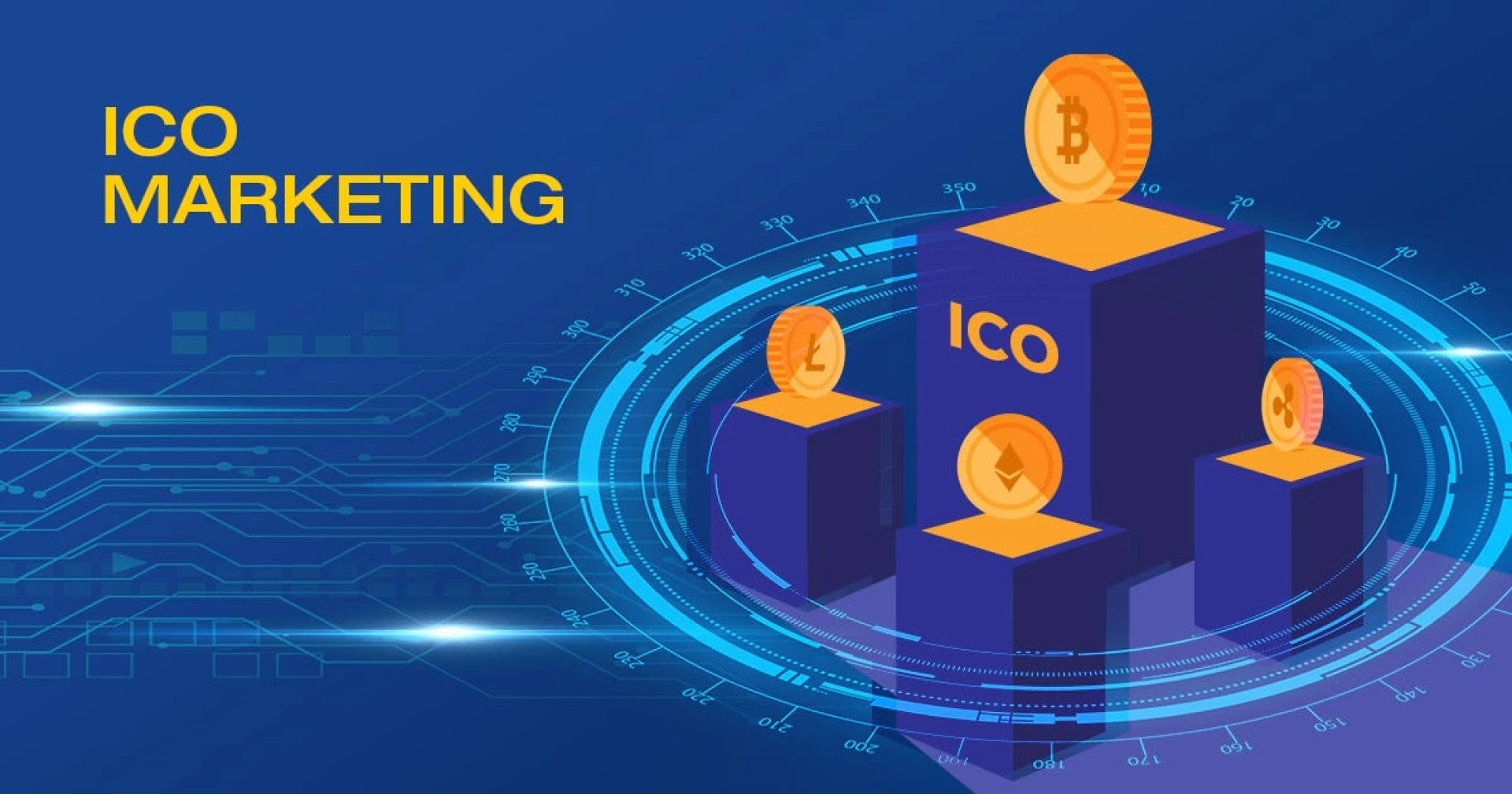

Planning an ICO token sale marketing campaign in 2026 requires a strategic, research-driven, and compliance-aware approach that aligns with how the crypto ecosystem has matured. Unlike earlier cycles where hype-driven promotions could drive quick participation, today’s investors are more informed, regulation-conscious, and utility-focused. A successful ICO campaign in 2026 must balance credibility, community trust, long-term value creation, and transparent communication across decentralized and centralized channels.
This guide explores how to plan an ICO token sale marketing campaign step by step, covering strategy, audience research, branding, content, community building, influencer alignment, compliance considerations, and post-sale momentum, all within the context of the evolving Web3 environment.
Understanding the ICO Marketing Landscape in 2026
The ICO marketing landscape in 2026 is shaped by regulatory clarity, investor skepticism, and increased competition for attention. Token buyers now prioritize fundamentals such as real-world use cases, token utility, governance models, and roadmap feasibility rather than speculative narratives alone. As a result, ICO marketing has evolved into a credibility-building exercise rather than a short-term visibility push.
Another defining factor is the fragmentation of audiences across platforms. Crypto-native users engage on X, Telegram, Discord, Farcaster, and regional Web3 forums, while institutional and semi-institutional participants follow research platforms, long-form blogs, podcasts, and on-chain analytics. Planning an ICO campaign requires understanding how these audiences consume information and how trust is built within each ecosystem.
Defining Clear Objectives for Your ICO Campaign
The foundation of any ICO marketing plan in 2026 begins with clearly defined objectives. Many projects fail because they focus exclusively on fundraising targets without aligning those goals with broader ecosystem growth. A well-planned ICO campaign should define whether the primary objective is early community formation, validator or node onboarding, protocol usage, governance decentralization, or long-term liquidity stability.
These objectives influence every marketing decision, including messaging, platform selection, timeline structuring, and content depth. For example, a utility-driven protocol may focus on educating developers and early adopters, while a governance-focused DAO token may emphasize transparency, voting mechanisms, and community participation. Clear objectives ensure that marketing activities remain consistent and measurable throughout the campaign lifecycle.
Conducting Deep Audience and Investor Research
Audience research is no longer optional in ICO marketing. In 2026, successful campaigns are built on granular segmentation rather than broad crypto assumptions. Projects must identify who their ideal token participants are, including their technical knowledge level, risk appetite, geographic distribution, and preferred communication channels.
Retail participants often seek simplified explanations, community interaction, and clear token utility narratives, while sophisticated investors evaluate whitepapers, tokenomics models, and on-chain metrics. Understanding these differences allows marketers to tailor content without diluting credibility. Audience research also helps avoid misaligned messaging that can attract short-term speculators rather than long-term contributors.
Crafting a Strong Token Narrative and Value Proposition
A compelling token narrative is central to ICO marketing success in 2026. This narrative should clearly articulate why the token exists, how it creates value within the ecosystem, and why it is necessary rather than optional. Generic claims about decentralization or innovation are no longer sufficient; investors expect concrete explanations backed by technical logic and market relevance.
The narrative should also explain how the token fits into real user behavior, whether through staking, governance, access, rewards, or protocol fees. Consistency is critical, as the same core message must be reflected across the whitepaper, website, social discussions, and community channels. A coherent narrative builds confidence and reduces skepticism during the token sale period.
Designing Transparent and Sustainable Tokenomics
Tokenomics has become one of the most scrutinized aspects of ICO campaigns. In 2026, marketing teams must work closely with token economists and developers to ensure that token distribution, vesting schedules, and incentive structures are easy to understand and defensible.
Marketing content should explain token supply dynamics, emission schedules, allocation rationale, and long-term sustainability in clear language. Transparency around team vesting, treasury management, and ecosystem incentives helps reduce concerns around dumping or centralization. Effective ICO marketing educates participants on how token economics support long-term protocol health rather than short-term price action.
Building a High-Credibility Brand Presence
Brand credibility plays a critical role in ICO success, especially in an environment where scams and failed projects have made investors cautious. A professional brand presence begins with a well-structured website, detailed documentation, and consistent visual identity across platforms.
Beyond design, credibility is reinforced through clear team disclosures, advisory transparency, and realistic roadmaps. Marketing efforts should highlight progress milestones, technical achievements, and partnerships without exaggeration. In 2026, understated and data-backed communication often performs better than aggressive promotional language.
Creating Educational Content for Pre-ICO Awareness
Content marketing remains a cornerstone of ICO campaigns, but the focus in 2026 is on education rather than persuasion. Pre-ICO content should explain the problem the project addresses, how the technology works, and why the token is integral to the solution.
Long-form blogs, technical explainers, research articles, and ecosystem deep dives help establish authority and attract serious participants. This content should be distributed gradually to build anticipation while allowing audiences time to evaluate the project. Educational content also supports organic discussions within the community, reducing reliance on paid visibility.
Leveraging Community-Centric Marketing Strategies
Community building is no longer a secondary activity in ICO campaigns; it is the primary growth engine. In 2026, communities expect transparency, regular updates, and meaningful interaction rather than one-way announcements. Platforms like Telegram and Discord function as ongoing discussion hubs where trust is built through consistent engagement.
Marketing teams should focus on facilitating dialogue, addressing concerns, and encouraging user-generated discussions. Community-led initiatives such as feedback sessions, governance previews, and early contributor recognition foster a sense of ownership. A strong community not only supports the ICO but also sustains the project after the token sale concludes.
Strategic Use of Influencers and Opinion Leaders
Influencer marketing in 2026 has shifted toward credibility-driven collaborations. Token sale campaigns benefit most from working with analysts, educators, and ecosystem builders rather than purely promotional accounts. These voices help contextualize the project within the broader Web3 landscape and provide balanced perspectives.
Influencer engagement should focus on discussions, interviews, and technical breakdowns rather than direct endorsements. This approach aligns with regulatory expectations and resonates with audiences who value independent analysis. Long-term relationships with trusted voices often yield better results than short-lived promotional spikes.
Navigating Regulatory and Compliance Considerations
Regulatory awareness is a defining factor of ICO marketing in 2026. Jurisdiction-specific rules around token sales, disclosures, and investor communication must be respected throughout the campaign. Marketing materials should avoid misleading claims, guaranteed returns, or price-focused messaging that could raise compliance concerns.
Clear disclaimers, transparent documentation, and responsible communication help reduce legal risks while building investor confidence. Projects that proactively address regulatory considerations in their marketing narratives are often perceived as more mature and trustworthy.
Planning the ICO Timeline and Campaign Phases
A structured timeline helps ensure that ICO marketing efforts are coherent and effective. Campaigns typically progress through awareness, education, engagement, and conversion phases, each with distinct messaging goals. Rushing these phases often leads to shallow engagement and low-quality participation.
In 2026, extended pre-ICO periods are common, allowing projects to demonstrate progress before fundraising begins. Marketing teams should align content releases, community events, and announcements with development milestones to reinforce credibility and momentum.
Managing Data, Analytics, and Feedback Loops
Data-driven decision-making is essential for optimizing ICO marketing campaigns. Tracking engagement metrics, community sentiment, content performance, and traffic sources allows teams to refine messaging and channel allocation. In 2026, on-chain analytics also provide insights into wallet behavior and participation patterns.
Feedback loops between marketing, community management, and development teams ensure that concerns are addressed quickly and transparently. This responsiveness strengthens trust and improves overall campaign effectiveness.
Sustaining Momentum After the Token Sale
ICO marketing does not end when the token sale concludes. Post-ICO communication is critical for retaining community trust and supporting long-term adoption. Projects should continue sharing development updates, roadmap progress, and ecosystem growth initiatives.
Consistent post-sale engagement demonstrates accountability and reassures participants that the project is focused on execution rather than fundraising alone. In 2026, strong post-ICO communication often determines whether a project evolves into a sustainable ecosystem or fades after initial attention.
Conclusion
Planning an ICO token sale marketing campaign in 2026 requires a shift from hype-driven tactics to trust-based, education-focused strategies. Successful campaigns are built on clear objectives, deep audience understanding, transparent tokenomics, credible branding, and community-centric engagement.
By aligning marketing efforts with long-term ecosystem goals and regulatory realities, projects can attract committed participants rather than speculative attention. In a mature Web3 environment, thoughtful planning and authentic communication are the defining factors that separate impactful ICO campaigns from short-lived launches.


























Sign in to leave a comment.