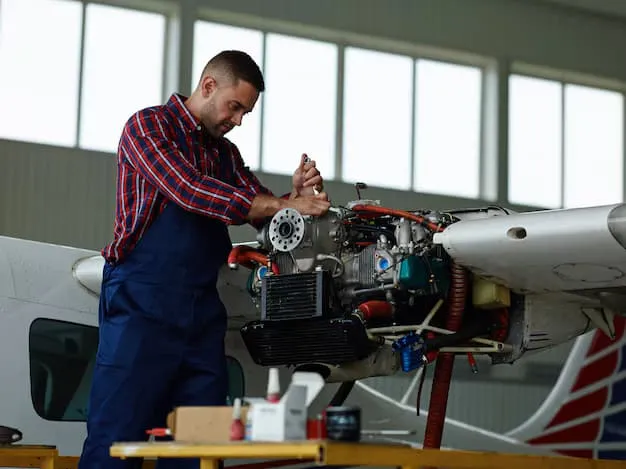

The aerospace industry depends heavily on innovation, precision, and advanced engineering technologies to improve aircraft performance and operational efficiency. Modern aircraft are expected to meet high standards for safety, fuel efficiency, speed, and environmental responsibility. Engineering professionals use advanced technologies to analyze airflow behavior, structural performance, and flight stability before aircraft enter production. These improvements help aviation organizations develop more reliable and efficient aerospace systems for commercial, defense, and unmanned applications.
An aerodynamic engineer plays a critical role in aircraft development by studying how air interacts with moving structures such as airplanes, drones, and spacecraft. Their responsibilities include improving lift, reducing drag, and optimizing aerodynamic efficiency to enhance overall performance. Simulation tools have become essential for these professionals because they provide accurate digital testing environments without the need for excessive physical prototypes. These advanced technologies support faster development cycles, better design accuracy, and reduced production costs across the aerospace industry.
Simulation technologies continue transforming aerospace engineering by enabling engineers to evaluate different flight conditions and performance scenarios in real time. Through virtual testing and computational analysis, engineering teams can identify weaknesses and optimize aircraft systems before manufacturing begins. These tools improve collaboration, reduce development risks, and contribute to safer and more efficient aircraft designs. As aviation technology continues evolving, simulation software remains one of the most valuable resources for aerodynamic analysis and innovation.
The Importance of Simulation Tools in Aerodynamics
Improving Aircraft Design Accuracy
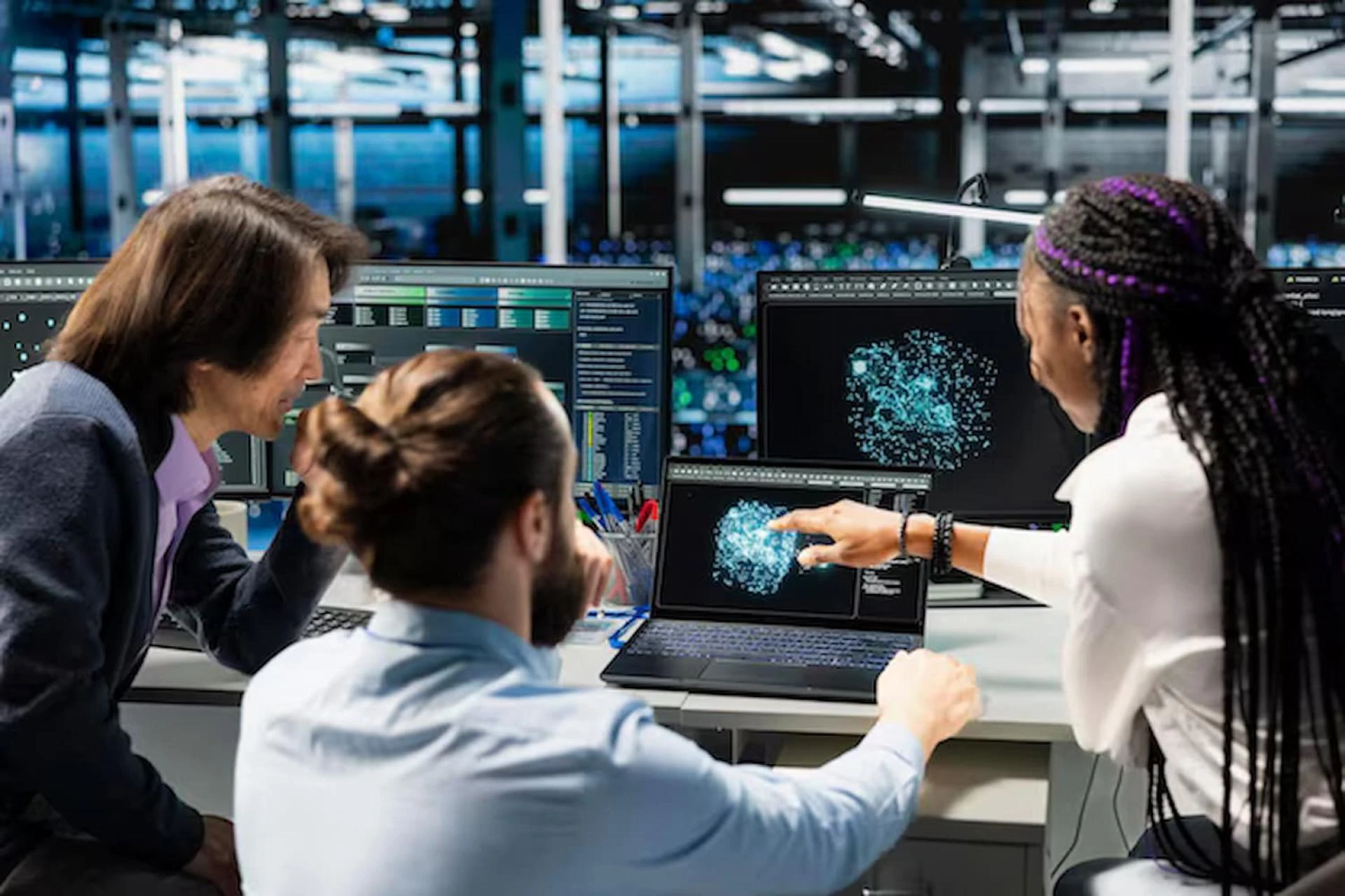
Simulation tools allow engineers to create highly detailed digital models that accurately represent aircraft structures and aerodynamic behavior. These models help engineering teams evaluate airflow patterns, pressure distribution, and structural interactions under different flight conditions. By using advanced software, engineers can test multiple design concepts quickly and efficiently before physical production begins. This process reduces errors during development and improves the overall quality of aerospace projects.
Accurate aerodynamic analysis is essential because even small design changes can significantly impact aircraft efficiency and stability. Simulation tools help engineers predict how aircraft will respond during takeoff, cruising, landing, and extreme weather conditions. These virtual environments provide valuable insights that would otherwise require expensive and time consuming physical testing. As a result, simulation technologies help aerospace professionals create safer and more efficient aircraft designs.
Reducing Development Costs and Time
Traditional aerodynamic testing methods often require multiple physical prototypes and wind tunnel experiments, which can be costly and time intensive. Simulation tools reduce these expenses by allowing engineers to perform virtual testing during the early stages of development. Digital simulations help identify potential issues quickly, enabling engineering teams to make design improvements before manufacturing begins. This approach significantly lowers production costs and shortens project timelines.
Faster development cycles are especially important in the competitive aerospace industry, where innovation and efficiency directly influence market success. Simulation technologies allow engineers to test numerous design variations in a shorter period while maintaining high accuracy levels. These capabilities improve productivity and help organizations deliver advanced aerospace solutions more efficiently. The ability to optimize designs digitally has become a major advantage in modern aviation engineering.
Types of Simulation Tools Used by Aerodynamic Engineers
Computational Fluid Dynamics Software
Computational Fluid Dynamics software is one of the most important tools used in aerodynamic analysis. This technology helps engineers study how air flows around aircraft surfaces under different operating conditions. By analyzing airflow behavior digitally, engineers can identify turbulence, drag, and pressure changes that affect aircraft performance. These detailed simulations provide valuable information for improving aerodynamic efficiency.
Computational Fluid Dynamics software also allows engineers to test complex aircraft shapes and advanced aerodynamic concepts that may be difficult to evaluate physically. Engineers can simulate high speed flight conditions, varying altitudes, and environmental factors with remarkable precision. This capability supports the development of optimized wing designs, efficient propulsion systems, and improved flight stability. The use of advanced simulation software has become essential for modern aerospace innovation.
Wind Tunnel Simulation Technologies
Virtual wind tunnel technologies provide another important solution for aerodynamic analysis. These digital tools replicate real world airflow conditions while allowing engineers to test aircraft performance within controlled environments. Engineers use these simulations to analyze lift generation, drag reduction, and airflow separation around aircraft structures. Virtual testing improves efficiency while reducing the need for repeated physical experiments.
Wind tunnel simulations also help engineering teams compare different design configurations and evaluate performance improvements quickly. The ability to visualize airflow patterns and pressure changes enhances decision making during the design process. These technologies support the development of more efficient aircraft structures while improving overall aerodynamic reliability. Digital wind tunnel tools continue advancing the capabilities of aerospace engineering professionals worldwide.
Benefits of Simulation Tools for an Aerodynamic Engineer
Enhancing Aircraft Performance
Simulation tools help engineers optimize aircraft performance by identifying opportunities to improve aerodynamic efficiency. Through detailed analysis, engineers can reduce drag, improve lift characteristics, and increase fuel efficiency. These improvements contribute to lower operational costs and better environmental performance for modern aircraft. Optimized aerodynamics also improve aircraft speed, stability, and handling during flight operations.
Engineers use simulation software to evaluate how changes in wing geometry, control surfaces, and structural shapes affect flight behavior. This ability to test modifications digitally allows for faster innovation and more effective performance optimization. Improved aircraft efficiency benefits commercial aviation, defense applications, and unmanned aerial systems alike. Simulation technologies continue driving major advancements in aerospace engineering and aircraft development.
Supporting Safer Aircraft Development
Safety remains one of the highest priorities in aerospace engineering, and simulation tools contribute significantly to safer aircraft designs. Engineers can test aircraft performance under extreme operating conditions without exposing physical prototypes to unnecessary risks. These simulations help identify structural weaknesses, aerodynamic instabilities, and operational limitations early in development. Early detection of potential problems improves overall aircraft reliability and safety.
Simulation software also supports emergency scenario testing, allowing engineers to analyze how aircraft respond to sudden failures or severe environmental conditions. These digital evaluations help improve system resilience and operational stability. By reducing uncertainty during development, simulation technologies contribute to higher safety standards across the aerospace industry. Their role in improving aviation safety continues expanding as engineering tools become more advanced.
The Future of Simulation Technology in Aerospace Engineering
Integration of Artificial Intelligence
Artificial intelligence is becoming increasingly important in aerospace simulation technologies. AI driven software can process large amounts of engineering data quickly and identify design improvements more efficiently than traditional methods. These intelligent systems help engineers optimize aerodynamic performance while reducing development time and operational costs. Artificial intelligence also enhances predictive analysis by identifying patterns and potential performance issues early.
The integration of AI with simulation software allows engineering teams to automate repetitive analysis tasks and focus on innovation driven problem solving. These advanced capabilities improve productivity while supporting more accurate and reliable aerospace designs. As artificial intelligence technology continues evolving, it is expected to further transform aerodynamic engineering processes and simulation methodologies.
Advancing Autonomous Aviation Systems
Autonomous aircraft and unmanned aerial systems rely heavily on advanced simulation technologies during development and testing. Engineers use simulations to evaluate navigation systems, flight stability, communication networks, and automated control systems under different operational scenarios. These digital environments allow teams to improve reliability and performance before real world deployment begins. Simulation technologies help reduce risks associated with autonomous flight operations.
The growing demand for autonomous aviation solutions is increasing the importance of advanced simulation tools within aerospace engineering. Engineers continue developing more accurate and sophisticated testing environments to support future innovations. These technologies will play a central role in shaping the next generation of unmanned aircraft systems and intelligent aerospace platforms.
Conclusion
Simulation tools have become essential resources for improving aircraft design, aerodynamic efficiency, and aerospace innovation. They allow engineering professionals to analyze airflow behavior, optimize structural performance, and evaluate flight conditions with exceptional accuracy. These technologies reduce development costs, improve safety standards, and accelerate the creation of advanced aviation systems. As aerospace engineering continues evolving, simulation software will remain a key driver of technological progress and operational excellence.
Organizations such as Swift Engineering Inc continue contributing to aerospace advancement through innovative engineering expertise, advanced aerodynamic solutions, and a commitment to high performance aviation technologies.




























Sign in to leave a comment.