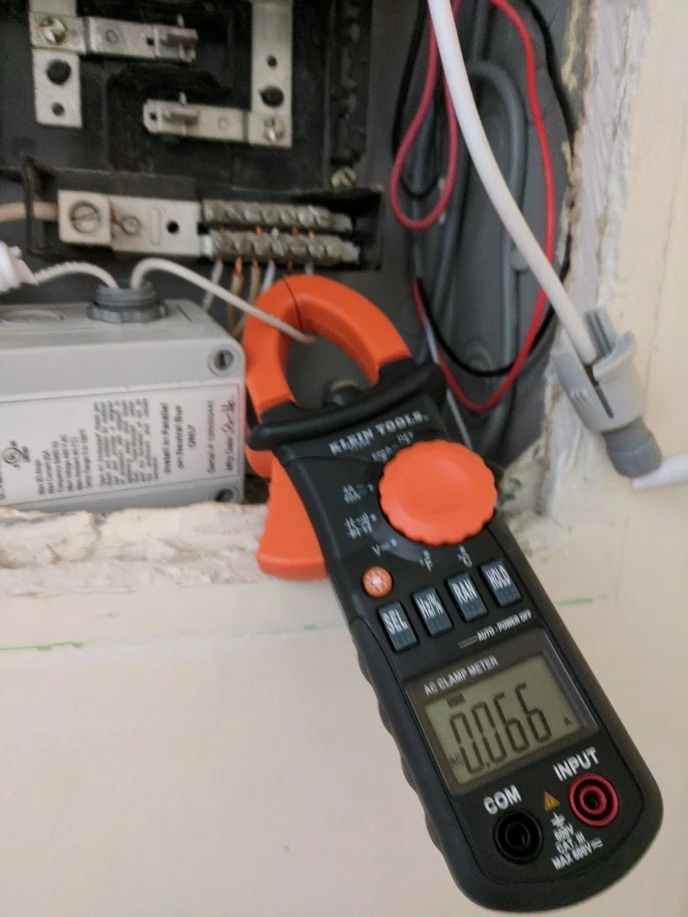

Across the United States, commercial and residential buildings consume an enormous amount of energy every day, often without owners or occupants realizing just how much is being wasted. Lights stay on in empty rooms, heating and cooling systems run at full capacity when no one is home, and equipment operates inefficiently because no one is monitoring performance closely enough. These small, invisible inefficiencies add up to higher utility bills, unnecessary carbon emissions, and systems that wear out faster than they should. This is where building energy optimization becomes not just a technical concept, but a practical solution to a real-world problem.
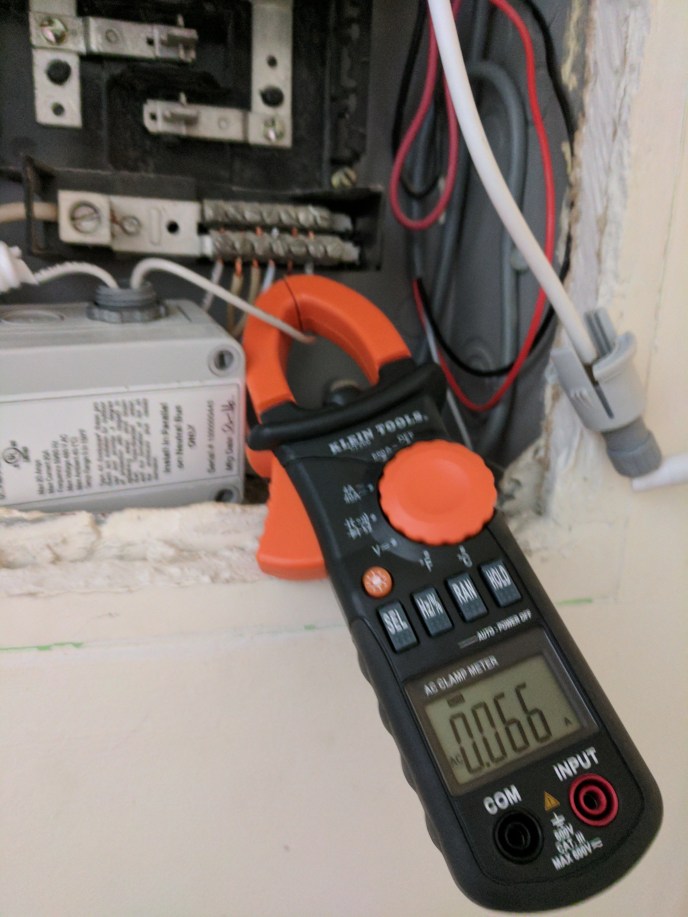
For many property owners and facility managers, the challenge has always been visibility. It is difficult to fix what cannot be seen. Traditional building systems operate on fixed schedules and manual controls, which rarely reflect how people actually use a space. Today, smart sensors are changing that dynamic. By collecting real-time data and responding intelligently, they are becoming one of the most powerful tools in building energy optimization, helping buildings reduce waste by as much as 30% while improving comfort at the same time. Keep reading.
What Are Smart Sensors, Really?
Smart sensors are small devices that measure environmental conditions and activity within a building. Unlike older sensors that simply collect data, smart sensors are connected, intelligent, and capable of triggering automated responses. They typically monitor factors such as:
- Occupancy (whether people are present in a space).
- Temperature and humidity.
- Light levels.
- Air quality (CO2, VOCs, particulate matter).
- Equipment performance and energy usage.
What makes these sensors truly "smart" is their ability to communicate with building management systems (BMS), cloud platforms, and automation software. Instead of just reporting information, they help systems make decisions, like adjusting HVAC output, dimming lights, or turning off unused equipment automatically.
This shift from static systems to responsive environments is a cornerstone of modern building energy optimization, because it aligns energy use with actual human behavior rather than rigid schedules.
Why Do Buildings Waste So Much Energy?
To understand how smart sensors reduce energy waste, it helps to understand where the waste comes from in the first place. Most buildings lose energy in predictable ways:
1. Inefficient HVAC Operation
Heating and cooling systems are responsible for nearly 40–50% of a typical building's energy consumption. When HVAC systems run continuously or respond slowly to changes in occupancy, they consume far more power than necessary.
2. Over-Lighting of Spaces
Offices, hallways, and conference rooms are often fully lit even when unoccupied. Without responsive lighting controls, energy use remains high throughout the day and night.
3. Poor Scheduling Assumptions
Many buildings rely on outdated schedules programmed years ago. These schedules do not reflect hybrid work environments, seasonal changes, or evolving occupant behavior.
4. Lack of Real-Time Feedback
Without live data, building operators often do not know when systems are underperforming or wasting energy. Problems can persist for months before they are discovered.
Smart sensors directly address each of these issues, making them an essential driver of effective building energy optimization strategies.
How Smart Sensors Actually Reduce Energy Waste?
The idea of cutting energy waste by 30% may sound ambitious, but it becomes more realistic when broken down into practical mechanisms.
Occupancy-Based Control
Occupancy sensors detect whether a room is in use. When integrated with lighting and HVAC systems, they allow the building to:
- Turn off lights automatically in empty rooms
- Reduce heating and cooling in unused areas
- Adjust ventilation rates based on the number of occupants
Instead of conditioning the entire building equally, systems focus energy only where it is needed. This is one of the most effective and widely adopted building energy optimization techniques.
Real-Time Environmental Adjustments
Temperature and humidity sensors continuously monitor indoor conditions. When a space begins to drift outside the ideal comfort range, systems can respond immediately rather than waiting for manual adjustments. This prevents overcorrection, where systems run harder than necessary.
For example, instead of blasting cold air across an entire floor, the system can make targeted adjustments in specific zones. This precision is a major reason smart sensors contribute so strongly to building energy optimization outcomes.
Predictive Optimization Through Data
Modern smart sensors do not just react; they also help systems learn. By analyzing historical usage patterns, advanced platforms can predict when rooms are typically occupied, when peak demand occurs, and how environmental conditions change throughout the day.
This data-driven approach supports long-term building energy optimization by enabling predictive scheduling rather than reactive control. Over time, the building becomes more efficient automatically, without requiring constant human intervention.
The Role of Smart Sensors in Building Performance and Comfort
Energy savings are important, but comfort is equally critical. One of the most powerful benefits of smart sensors is that they improve both simultaneously. When occupants feel too hot, too cold, or uncomfortable due to poor air quality, they often use personal heaters, fans, or open windows, behaviors that increase energy waste.
Smart sensors help maintain stable indoor conditions, which reduces the likelihood of these counterproductive behaviors. From an operational perspective, this balance between comfort and efficiency is a defining characteristic of successful building energy optimization. Buildings that are both efficient and comfortable tend to achieve higher tenant satisfaction, stronger retention, and better long-term value.
How Smart Sensors Support Long-Term Energy Strategies?
Many organizations are now setting formal sustainability and energy reduction goals. Smart sensors play a critical role in supporting these long-term objectives.
Supporting Energy Audits
Energy audits are a foundational step in improving performance, but traditional audits provide only a snapshot in time. Smart sensors create continuous streams of data, giving auditors and engineers a far more accurate understanding of how a building actually behaves.
Enabling Continuous Commissioning
Continuous commissioning refers to the ongoing process of tuning building systems to maintain peak performance. Smart sensors make this possible by providing constant feedback on system behavior, which is essential for maintaining consistent building energy optimization over time.
Supporting Compliance and Certifications
For buildings pursuing LEED, WELL, or ENERGY STAR certifications, sensor-driven data can provide the documentation needed to demonstrate performance. This data-driven transparency further strengthens the business case for building energy optimization initiatives.
The Financial Impact: Why Energy Savings Translate Into Real Value
While sustainability goals often drive interest in smart technologies, the financial impact is what truly motivates adoption for many decision-makers.
A 30% reduction in energy usage can translate into:
- Thousands (or even millions) of dollars in annual utility savings
- Lower maintenance costs due to reduced system strain
- Extended lifespan of HVAC and electrical equipment
- Increased property value and marketability
When viewed through this lens, building energy optimization is not an expense; it is an investment. Smart sensors provide measurable returns by aligning operational performance with both financial and environmental objectives.
Overcoming Common Concerns About Smart Sensor Technology
Despite the benefits, some organizations hesitate to adopt smart sensors due to misconceptions or concerns.
"The Technology Seems Too Complex"
Modern smart sensor systems are designed to be scalable and user-friendly. Many platforms offer intuitive dashboards that present insights in plain language rather than technical jargon.
"The Upfront Cost Is Too High"
While there is an initial investment, the long-term savings often outweigh the cost. Many projects achieve payback within a few years, especially when implemented as part of a broader building energy optimization strategy.
"Our Building Is Too Old"
Smart sensors can be deployed in both new and existing buildings. Wireless solutions make retrofitting possible without major construction, allowing older properties to benefit from modern optimization techniques.
Steps to Get Started With Smart Sensors
For organizations considering this approach, the path forward does not need to be overwhelming.
Assess Current Performance
Understand where energy is currently being used and where waste is most likely occurring.
Identify Priority Areas
Focus first on high-impact systems such as HVAC, lighting, and large shared spaces.
Deploy Smart Sensors Strategically
Begin with a pilot project to demonstrate value before expanding across the entire building.
Use the Data Consistently
The true value of sensors lies in acting on the data they provide. Regular review supports ongoing building energy optimization improvements.
Refine and Scale Over Time
Optimization is not a one-time project; it is an ongoing process of refinement.
The Future of Intelligent Buildings
Smart sensors represent just the beginning of a larger shift toward intelligent, adaptive buildings. As artificial intelligence, machine learning, and advanced analytics continue to evolve, buildings will become even more responsive to human needs and environmental conditions.
Future systems may be able to anticipate occupant preferences, automatically balance energy demand across entire portfolios, and integrate seamlessly with renewable energy sources. In this evolving landscape, organizations that invest early in building energy optimization will be better positioned to remain competitive, sustainable, and resilient.
Conclusion
Energy waste in buildings is no longer inevitable. Smart sensors enable meaningful change by aligning energy use with real-world behavior, improving comfort, and delivering measurable financial returns. For U.S. building owners and facility managers, investing in this technology supports a smarter approach to building energy optimization. These systems help buildings operate more efficiently, reduce waste by up to 30%, and enhance occupant experience. Organizations that adopt smart sensors today position themselves as leaders in sustainable, high-performing, future-ready buildings.

























Sign in to leave a comment.