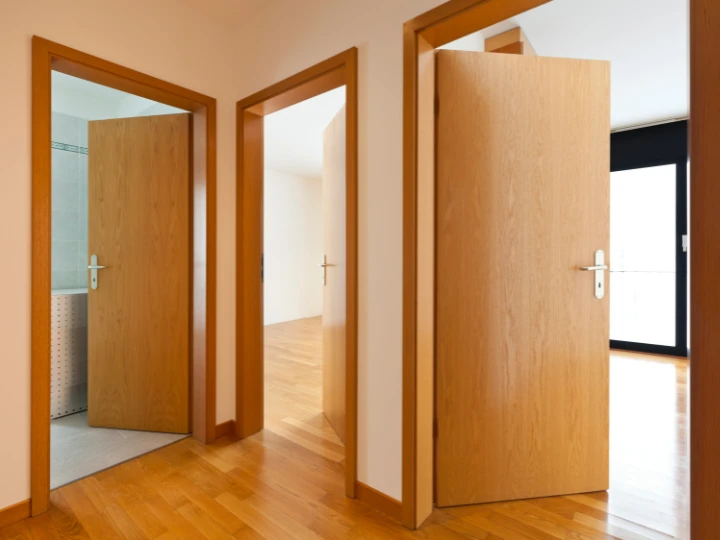

When considering ways to improve comfort and energy efficiency in your home, solid internal doors play a crucial role. While often overlooked, these doors do more than define room boundaries, they help control temperature, reduce drafts, and limit the movement of sound between spaces. Choosing the right internal door design can make a noticeable difference to your home’s insulation and overall comfort.
How Solid Internal Doors Contribute to Thermal Insulation
Material Density and Heat Retention
Solid internal doors are made from dense timber or engineered composites. This density creates a barrier that slows the transfer of heat between rooms. In cooler months, solid doors help retain warmth in living areas, while in summer, they reduce the flow of hot air from sun-exposed rooms. Compared with hollow or semi-solid doors, solid doors provide superior thermal resistance due to their mass.
Reducing Drafts and Air Leakage
Even small gaps under doors can allow air to pass freely, undermining heating or cooling efforts. Solid doors, when paired with proper seals and door sweeps, can significantly reduce drafts. This not only keeps rooms at a consistent temperature but also decreases the workload on heating and cooling systems, contributing to energy savings.
Enhanced Comfort Across Rooms
Homes with multiple solid internal doors experience a more stable indoor climate. For example, closing a solid door to a bedroom or study helps maintain the desired temperature without affecting other rooms. This is particularly useful in open-plan homes where temperature fluctuations are more noticeable.
Sound Insulation Benefits of Solid Internal Doors
Limiting Noise Transmission
Solid doors are not only effective at controlling temperature but also help reduce noise transfer between rooms. Whether it’s a busy household with children, home offices, or shared living spaces, a solid door blocks sound waves more effectively than hollow doors. This creates quieter, more private rooms and improves the overall comfort of living spaces.
Improving Concentration and Relaxation
In addition to temperature control, the reduction of noise through solid internal doors supports better focus in work areas and enhances relaxation in bedrooms or media rooms. This dual benefit makes solid doors a practical choice for both family and professional environments.
Design Considerations for Maximum Insulation
Proper Door Fit and Installation
Even the densest solid door will underperform if it doesn’t fit correctly. Ensure that doors are installed flush with the frame and that any gaps are sealed. Using quality hinges and adjustable frames can help maintain a tight fit over time, preventing warping and energy loss.
Seals, Weatherstrips, and Thresholds
Adding seals around the edges of the door and thresholds at the bottom can further enhance thermal performance. These elements prevent cold or hot air from seeping through the gaps and ensure the door acts as an effective barrier.
Door Surface and Finish
While primarily aesthetic, the finish of a solid internal door can also contribute slightly to insulation. A well-treated timber surface resists moisture and warping, maintaining the door’s shape and sealing properties over time.
Practical Benefits Beyond Insulation
Durability and Long-Term Performance
Solid internal doors are long-lasting and require minimal maintenance compared with hollow-core alternatives. Their robust construction withstands frequent use, ensuring that their insulation benefits persist for years.
Energy Savings
By reducing drafts and stabilising room temperatures, solid doors help reduce energy consumption. Homes with better thermal management are not only more comfortable but also more cost-efficient to heat and cool.
Aesthetic Flexibility
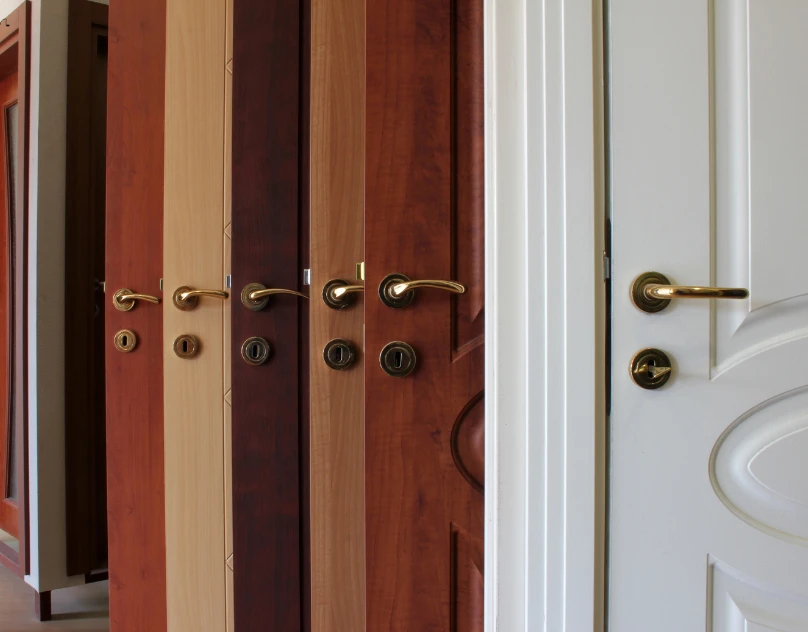
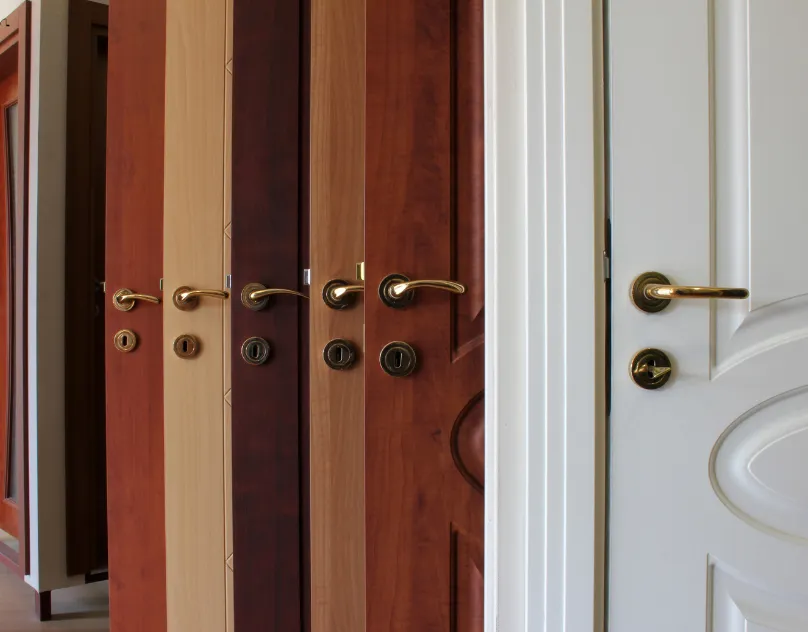
Solid doors come in various finishes, panel designs, and timber types. This allows homeowners to combine functionality with interior style, achieving both comfort and visual appeal.
Final Thought
Solid internal doors are a simple yet highly effective way to improve home insulation. Their dense construction provides thermal and acoustic benefits, while proper installation and maintenance maximise performance. Choosing solid doors enhances comfort, reduces energy use, and creates a quieter, more stable living environment—a long-term investment in your home’s efficiency and lifestyle.
FAQs
1. How much better are solid internal doors at insulation than hollow doors?
Solid doors are significantly more effective, reducing heat transfer and noise compared with hollow or semi-solid alternatives.
2. Do I need special seals for solid doors to improve insulation?
Yes, adding edge seals and door sweeps enhances both thermal and acoustic performance.
3. Can solid internal doors help with energy bills?
Absolutely. By maintaining room temperatures, solid doors reduce the demand on heating and cooling systems.
4. Are certain timber types better for insulation?
Hardwoods like oak or mahogany have high density, offering better thermal and sound insulation than softer woods.
5. How often should I maintain solid internal doors?
Regular cleaning and checking seals every 1–2 years is usually sufficient to maintain performance and appearance.























Sign in to leave a comment.