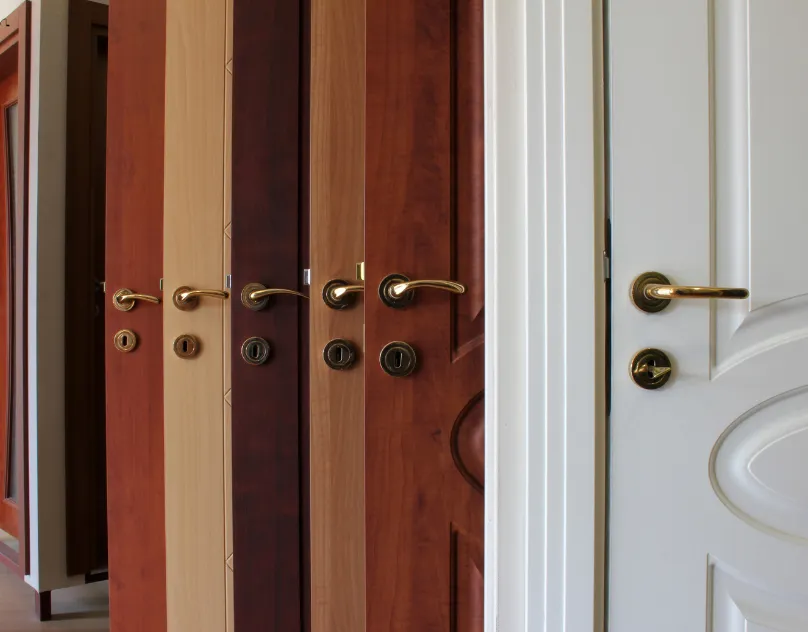

Choosing the right interior doors can make a noticeable difference in how a home feels and functions. Among the many options available, solid internal doors are often chosen for their durability, strength, and long-term performance. While they may seem like a simple design choice, their structure plays a major role in comfort, privacy, and everyday usability.
What Are Solid Internal Doors?
Built for Strength and Stability
Solid internal doors are made using dense core materials such as solid timber or engineered wood. Unlike hollow-core alternatives, they are fully filled inside, which gives them a heavier and more stable structure.
Designed for Everyday Living
These doors are commonly used in residential and commercial interiors where long-term durability and consistent performance are important. Their solid build makes them suitable for areas with frequent use.
Structural Advantages of Solid Internal Doors
Enhanced Durability
One of the main benefits of solid internal doors is their ability to withstand daily wear and tear. Because of their dense construction, they are far less likely to dent, crack, or warp over time.
This makes them ideal for busy households where doors are constantly being opened and closed.
Strong Impact Resistance
Accidental knocks from furniture, children, or general movement in the home are common. Solid internal doors handle these impacts much better than lighter alternatives.
Their rigid structure helps maintain their shape and appearance even after years of use.
Long-Term Stability
Solid internal doors are less affected by environmental changes such as humidity and temperature shifts. This stability reduces the chances of swelling or shrinking, ensuring a consistent fit within the door frame.
Functional Benefits Beyond Strength
Better Sound Insulation
A key advantage of solid internal doors is their ability to reduce noise transfer between rooms. Their dense structure blocks sound more effectively than hollow doors, making them ideal for bedrooms, home offices, or media rooms.
This added acoustic control contributes to a quieter and more comfortable living environment.
Improved Privacy
Privacy is an important factor in any home. Solid internal doors provide a greater sense of separation between spaces, helping reduce sound leakage and visual distractions.
This makes them particularly useful in shared households or multi-use living spaces.
Enhanced Thermal Performance
Although not their primary function, solid internal doors can also assist with temperature regulation. Their thickness helps slow down heat transfer between rooms, supporting a more stable indoor climate.
Design Flexibility and Appearance
Suitable for Various Interior Styles
Solid internal doors are available in a wide range of finishes, including natural timber, painted surfaces, and modern textured designs.
This flexibility allows them to suit both traditional and contemporary interiors without compromising functionality.
A Premium Look and Feel
The weight and texture of solid doors often give them a more premium and substantial feel compared to lighter alternatives. This can subtly enhance the overall impression of a space.
Installation and Maintenance Considerations
Proper Installation Is Important
Due to their weight, solid internal doors require strong hinges and correct alignment during installation. Poor fitting can affect performance and long-term durability.
Low but Consistent Maintenance
While they are durable, solid internal doors still benefit from basic maintenance. Occasional cleaning and checking of hinges ensures smooth operation. Timber finishes may also require periodic treatment depending on exposure and usage.
Final Thought
Solid internal doors offer a strong balance of durability, comfort, and practicality. Their structural advantages make them suitable for everyday use, especially in homes where privacy, sound control, and long-term performance are important. While they may be heavier and slightly more expensive than hollow alternatives, their reliability and lasting quality often make them a worthwhile investment for well-designed interiors.
FAQs
1. What makes solid internal doors stronger than hollow doors?
They are made from dense core materials that provide greater resistance to impact, wear, and structural damage.
2. Do solid internal doors reduce noise?
Yes, their dense construction helps reduce sound transfer between rooms, improving acoustic comfort.
3. Are solid internal doors affected by weather changes?
They are more stable than hollow doors, with less risk of warping or swelling due to humidity or temperature changes.
4. Where should solid internal doors be used?
They are ideal for bedrooms, bathrooms, offices, and other spaces where privacy and durability are important.
5. Do solid internal doors require special maintenance?
No special maintenance is needed, but regular cleaning and occasional hardware checks help maintain performance.
























Sign in to leave a comment.