

When thinking about interior design, most people focus on walls, flooring, and furniture. However, it’s often the smaller details that bring everything together. Elements like architraves and skirting may seem minor at first glance, but they play a crucial role in both the appearance and protection of a home’s interior. These finishing touches can subtly influence how polished and complete a space feels.
What Are Architraves and Skirting?
Defining Architraves
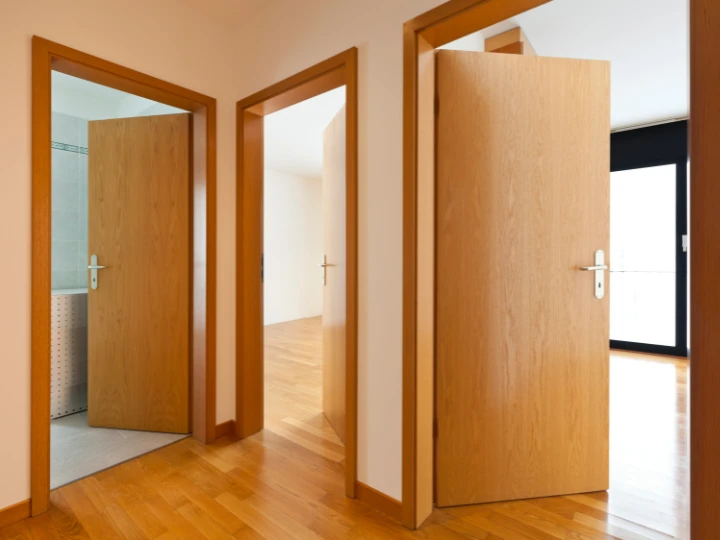
Architraves are decorative mouldings that frame doors, windows, and other openings. They serve to cover the joint between the wall and the door or window frame, creating a neat and finished look. Beyond functionality, architraves can also enhance the architectural style of a room.
Understanding Skirting
Skirting boards, sometimes referred to as baseboards, run along the bottom edge of interior walls where they meet the floor. Their primary purpose is to protect walls from damage caused by foot traffic, furniture, and cleaning activities. At the same time, they provide a visual transition between the wall and the floor.
Why Architraves and Skirting Matter
Creating a Finished Appearance
One of the main roles of architraves and skirting is to give a room a complete and cohesive look. Without these elements, the edges around doors and floors can appear unfinished or rough. They act as a frame that ties different parts of the room together.
Protecting Interior Surfaces
Walls are vulnerable to scuffs, scratches, and general wear. Skirting boards act as a protective barrier, preventing damage from everyday activities. Similarly, architraves protect the edges around doors and windows, which are often high-contact areas.
Enhancing Design Consistency
Using consistent styles of architraves and skirting throughout a home helps maintain a unified design theme. Whether the style is modern, traditional, or something in between, these elements contribute to the overall character of the space.
Types and Styles to Consider
Traditional Styles
Traditional architraves and skirting often feature detailed profiles, curves, and decorative patterns. These are commonly used in heritage homes or interiors that aim to reflect classic design elements.
Modern and Minimal Designs
Modern interiors tend to favour simpler, cleaner lines. Flat or square-edged profiles are popular choices, offering a sleek and understated appearance. These styles work well in contemporary homes where minimalism is key.
Material Choices
Architraves and skirting can be made from various materials, including timber, MDF, and PVC. Timber provides a natural and warm look, while MDF offers a smooth finish that is easy to paint. The choice of material can affect both durability and visual appeal.
Practical Considerations
Height and Proportion
The size of architraves and skirting should be in proportion to the room. Higher ceilings often suit taller skirting boards, while smaller spaces may benefit from more subtle profiles. Getting the proportions right helps maintain balance within the room.
Installation Details
Proper installation is essential for achieving a seamless finish. Gaps, uneven cuts, or poorly aligned joints can detract from the overall appearance. Taking care during installation ensures that the final result looks clean and professional.
Maintenance and Longevity
Regular cleaning and occasional repainting can keep architraves and skirting looking fresh. Choosing durable materials and finishes can also reduce the need for frequent maintenance, especially in high-traffic areas.
How They Influence Interior Design
Adding Depth and Character
Architraves and skirting can add subtle depth to a room by introducing lines and shadows. This creates visual interest without overwhelming the space. Even simple designs can make a noticeable difference.
Framing Key Features
Architraves help highlight doors and windows, making them stand out as design features rather than just functional elements. This framing effect can enhance the overall layout and flow of a room.
Bridging Different Elements
Skirting boards act as a visual bridge between walls and flooring. This transition helps unify different materials and colours, making the space feel more cohesive.
Final Thought
While often overlooked, architraves and skirting play an essential role in shaping the look and feel of interior spaces. They provide protection, enhance design consistency, and contribute to a polished finish. By carefully selecting styles, materials, and proportions, homeowners can elevate their interiors in a subtle yet meaningful way. Paying attention to these details ensures that a home not only looks complete but also stands up to everyday use.
FAQs
1. What is the main purpose of architraves and skirting?
They cover joints, protect walls from damage, and create a neat, finished appearance in interior spaces.
2. Are architraves and skirting necessary in modern homes?
Yes, even in modern designs, they provide both functional protection and a clean visual finish.
3. What materials are commonly used for architraves and skirting?
Common materials include timber, MDF, and PVC, each offering different benefits in terms of durability and appearance.
4. How do I choose the right style for my home?
Consider the overall design theme of your home. Traditional spaces suit detailed profiles, while modern homes benefit from simple, clean lines.
5. Do architraves and skirting require regular maintenance?
They require minimal maintenance, mainly cleaning and occasional repainting to keep them looking fresh.




























Sign in to leave a comment.