

When it comes to designing interiors that can handle constant movement, durability becomes a top priority. This is where solid internal doors stand out as a reliable choice. Whether it’s a busy household, an office space, or a commercial setting, doors in high-traffic areas need to withstand frequent use without compromising on performance or appearance. Solid doors offer a practical balance of strength, functionality, and long-term value, making them a preferred option for such demanding environments.
What Defines a High-Traffic Area?
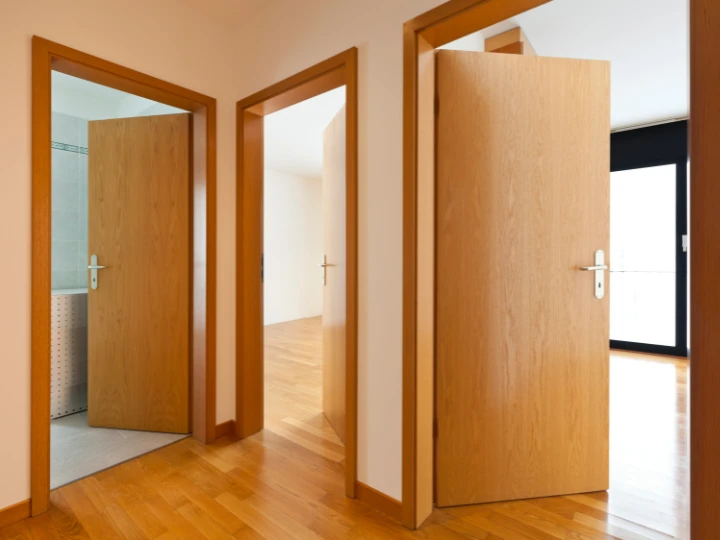
High-traffic areas are spaces that experience frequent movement throughout the day. These can include hallways, kitchens, living rooms, office corridors, or entryways in commercial buildings. Doors in these locations are opened and closed countless times, often exposed to accidental knocks, pressure, and general wear and tear.
In such settings, lightweight or hollow-core doors may not last long. They can dent easily, lose their structure, or fail to provide the level of insulation required. This is why choosing the right type of door is not just about aesthetics—it’s about long-term practicality.
Strength and Durability That Lasts
Built to Handle Daily Wear
One of the biggest advantages of solid internal doors is their robust construction. Made from dense materials such as solid timber or engineered wood, these doors are far more resistant to damage compared to their hollow counterparts.
In high-traffic areas, bumps from furniture, accidental kicks, or constant handling are common. Solid doors can absorb this impact without showing significant signs of wear. Over time, this durability reduces the need for frequent repairs or replacements, saving both time and money.
Long-Term Investment
While solid doors may come with a higher upfront cost, they often prove more economical in the long run. Their ability to maintain structural integrity over years of use means fewer replacements and lower maintenance expenses.
Superior Sound Insulation
Creating Quieter Spaces
Noise control is another key factor in busy environments. Solid internal doors provide excellent sound insulation due to their dense core. This makes them ideal for spaces where privacy and quiet are important, such as offices, meeting rooms, or bedrooms.
In a bustling home or workplace, reducing noise transfer between rooms can significantly improve comfort and productivity. Solid doors help create a more peaceful atmosphere, even in the middle of a busy setting.
Enhanced Privacy and Security
A More Secure Feel
High-traffic areas often connect different parts of a building, making privacy essential. Solid doors offer a stronger barrier compared to hollow options, ensuring better separation between spaces.
Their sturdy construction also adds a level of security. While they are not designed as external security doors, they do provide greater resistance to forced impact, making them a dependable choice for internal use.
Improved Thermal Insulation
Maintaining Indoor Comfort
Another often overlooked benefit of solid doors is their ability to regulate temperature. Their dense structure helps minimise heat transfer between rooms, which can be especially useful in maintaining consistent indoor temperatures.
In Australian homes, where climate conditions can vary, this added insulation contributes to energy efficiency. Rooms stay cooler in summer and warmer in winter, reducing reliance on heating and cooling systems.
Aesthetic Appeal and Versatility
Timeless Design Options
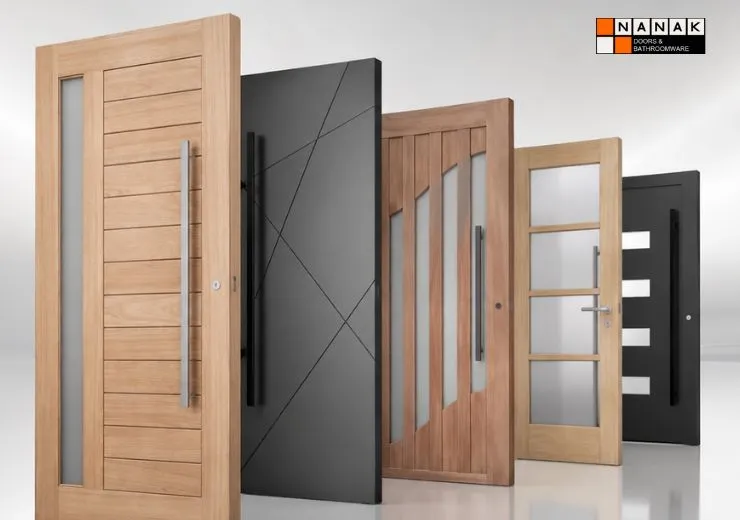
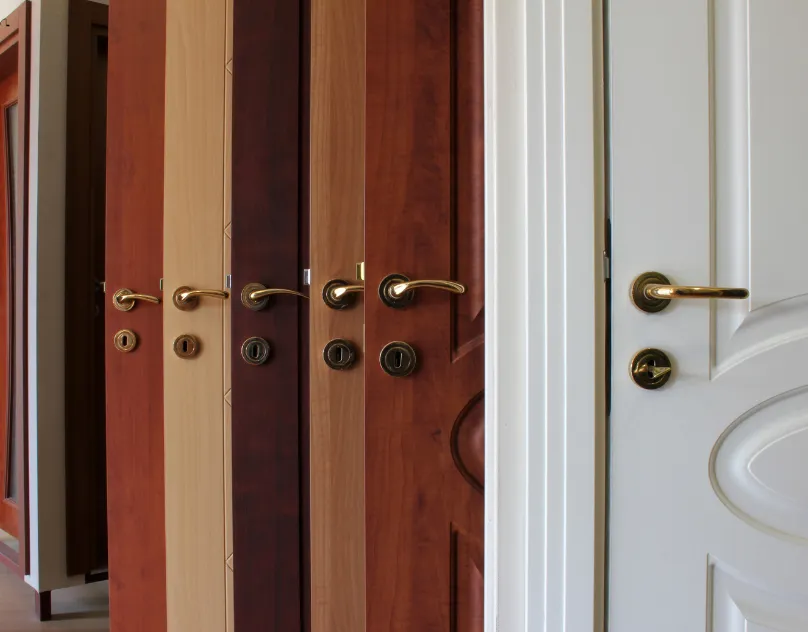
Solid internal doors are not just functional—they also enhance the overall look of a space. Available in a wide range of finishes, styles, and designs, they can complement both modern and traditional interiors.
Their premium feel and substantial weight give them a high-quality appearance that is difficult to replicate with lighter alternatives. This makes them a popular choice for homeowners and designers aiming for a refined and cohesive interior.
Low Maintenance and Longevity
Easy to Maintain
Despite their sturdy build, solid doors are relatively easy to maintain. Regular cleaning and occasional polishing are usually enough to keep them looking good. Minor scratches or dents can often be repaired without replacing the entire door.
Their resilience means they age well, maintaining both function and appearance over time, even in the busiest parts of a building.
Final Thought
Choosing the right door for high-traffic areas is about more than just looks—it’s about durability, comfort, and long-term value. Solid internal doors offer a dependable solution by combining strength, sound insulation, and aesthetic appeal. For spaces that experience constant use, they provide peace of mind and lasting performance, making them a practical and worthwhile investment.
FAQs
1. Are solid internal doors better than hollow doors for busy areas?
Yes, solid doors are more durable and resistant to damage, making them ideal for high-traffic spaces.
2. Do solid doors help reduce noise?
Absolutely. Their dense core provides excellent sound insulation, helping to create quieter rooms.
3. Are solid internal doors expensive?
They typically cost more upfront but offer better longevity and value over time.
4. Can solid doors improve energy efficiency?
Yes, they provide better thermal insulation, helping maintain indoor temperatures and reduce energy usage.
5. Are solid internal doors suitable for residential use?
Yes, they are widely used in homes, especially in areas like hallways, living rooms, and bedrooms where durability and privacy are important.

























Sign in to leave a comment.