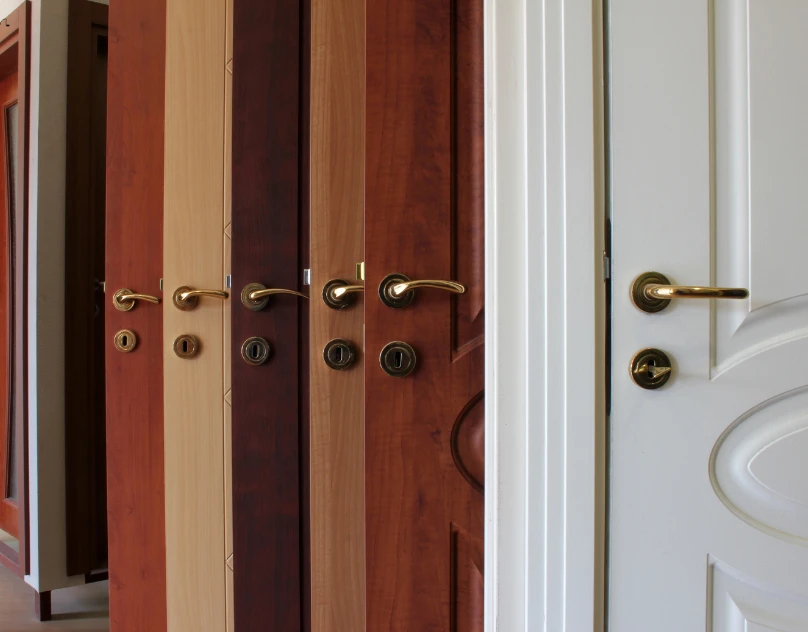

Noise control is one of those everyday considerations that often gets overlooked until it becomes a problem. Whether it’s conversations carrying through the house, the television clashing with work calls, or bedrooms feeling less restful than they should, sound management plays a significant role in comfort. One practical solution many homeowners explore is upgrading to solid internal doors, which are known for their ability to limit sound transfer between rooms while still fitting seamlessly into a home’s design.
Why Sound Reduction Matters in Homes
Modern homes are increasingly open-plan, which is excellent for light and flow but not always ideal for privacy. Sound travels easily through lightweight materials, gaps, and hollow spaces. Over time, this can affect sleep quality, concentration, and even family harmony.
Sound reduction isn’t about complete silence. Instead, it’s about softening noise, reducing echoes, and creating quieter, more functional spaces where multiple activities can happen simultaneously.
How Doors Influence Sound Transmission
Doors are among the weakest points for sound control. Even well-insulated walls won’t perform properly if sound can easily pass through door panels or around their edges.
The Role of Door Density
The heavier and denser a door is, the harder it is for sound waves to pass through it. Lightweight doors tend to vibrate when sound hits them, allowing noise to travel from one room to another. Solid doors resist this vibration far better, which is why they are often chosen for rooms where quiet matters.
Gaps and Seals Make a Difference
Even the best door won’t reduce much sound if there are gaps underneath or around the frame. Small openings can allow surprising amounts of noise to leak through. This is why door fit and sealing are just as important as the door itself.
What Makes Solid Internal Doors Effective
Solid doors are constructed from dense materials rather than hollow cores or thin skins. This density is key to their sound-reducing performance.
Reduced Vibration
Because of their weight, solid doors don’t flex or resonate as easily when sound hits them. Less vibration means less sound energy passing through the door panel.
Better Low-Frequency Noise Control
Low-frequency sounds, such as bass from music or deep voices, are particularly difficult to block. Solid doors perform better in this area compared to lightweight alternatives, helping to soften these deeper noises.
Improved Overall Room Acoustics
Beyond blocking sound between rooms, solid doors can also help reduce echo and reverberation within a space, especially when paired with soft furnishings and rugs.
Where Sound Reduction Is Most Noticeable
Some areas of the home benefit more from sound-reducing doors than others.
Bedrooms
Bedrooms are one of the most common spaces where sound control is essential. Solid doors can help limit noise from living areas, early risers, or late-night activity.
Home Offices and Study Areas
With more people working or studying from home, managing noise has become essential. A solid door can reduce distractions and create a more focused environment.
Media and Entertainment Rooms
Sound reduction is beneficial in rooms used for watching movies, gaming, or listening to music. Solid doors help keep noise contained without affecting the rest of the house.
Installation Factors That Affect Performance
Even a solid door won’t perform at its best if it’s poorly installed.
Proper Door Frames
A well-fitted frame ensures the door sits flush when closed, reducing gaps that allow sound to escape.
Door Seals and Thresholds
Adding acoustic seals or drop-down seals at the base of the door can significantly improve sound reduction without changing the look of the space.
Wall and Floor Considerations
For best results, doors should be part of a broader approach to sound control, including wall insulation and floor coverings where possible.
Final Thoughts
Sound reduction in the home doesn’t require drastic changes or specialised construction. Choosing the right door can make a noticeable difference to everyday comfort. Solid internal doors offer a practical balance between function and design, helping reduce noise transfer while maintaining a cohesive look throughout the home. When combined with sound installation and thoughtful sealing, they can quietly improve how spaces feel and function day to day.
FAQs
1. Do solid internal doors completely block noise?
No door can block all sound, but solid doors significantly reduce noise compared to lightweight or hollow options.
2. Are solid doors better for sound than hollow core doors?
Yes, solid doors are denser, which makes them more effective at limiting sound transmission.
3. Does door thickness affect sound reduction?
Generally, thicker, heavier doors provide better sound reduction due to their increased mass.
4. Can seals improve sound reduction?
Absolutely. Door seals help close gaps that allow sound to travel, improving overall performance.
5. Are solid doors suitable for all rooms in the house?
They work well in most spaces, especially bedrooms, offices, and media rooms, though weight and hinges should be considered during installation.

























Sign in to leave a comment.