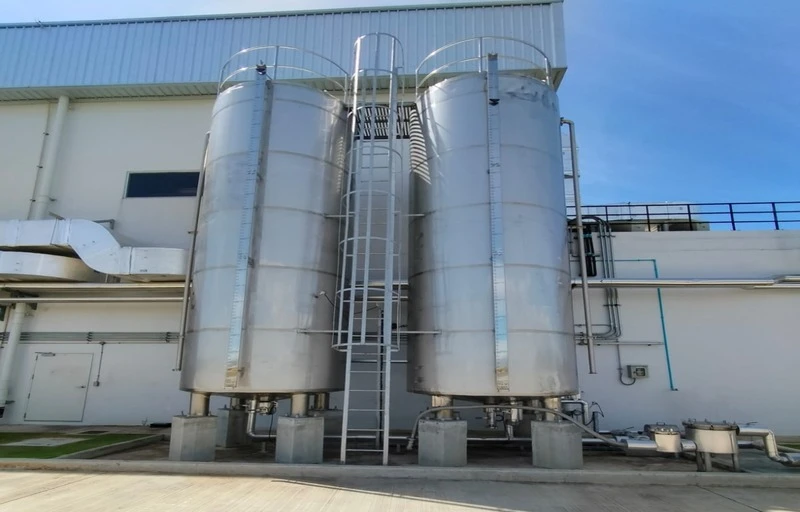

In the dairy industry, maintaining hygiene and product safety is critical. Contamination at any stage of production can compromise quality and lead to significant losses. One of the most effective solutions for ensuring cleanliness and safety is the use of SS Storage Tanks.
What Are SS Storage Tanks?
SS Storage Tanks (stainless steel storage tanks) are specialized containers designed for storing liquids like milk, whey, cream, and other dairy products. Unlike traditional storage solutions, these tanks are corrosion-resistant, non-reactive, and capable of maintaining the integrity of dairy products for longer periods.
Key features include:
- Food-grade stainless steel construction (SS304 or SS316)
- Insulated walls to maintain temperature
- Hygienic design with smooth interiors to prevent bacterial growth
- Easy-to-clean surfaces and CIP (Clean-In-Place) compatibility
Benefits of SS Storage Tanks in Dairy Production
1. Superior Hygiene and Sanitation
The smooth, non-porous surfaces of SS Storage Tanks prevent bacterial buildup and cross-contamination. CIP systems make cleaning quick, thorough, and efficient, ensuring milk and dairy products remain safe for consumption.
2. Corrosion and Contamination Resistance
Stainless steel is resistant to corrosion caused by acidic or alkaline dairy products. This reduces the risk of metal contamination and extends the life of the storage tanks.
3. Temperature Control and Product Stability
Many SS Storage Tanks come with insulation or cooling jackets, which help maintain consistent temperatures. Stable temperatures prevent spoilage, maintain product quality, and ensure food safety.
4. Compliance with Industry Standards
Using stainless steel storage tanks helps dairy plants comply with food safety regulations like HACCP, ISO 22000, and FSSAI standards, reducing risks during audits and inspections.
5. Enhanced Durability and Long-Term Investment
Stainless steel tanks are highly durable, resistant to wear and tear, and offer a long operational lifespan, making them a cost-effective choice for dairy operations.
Applications of SS Storage Tanks in Dairy Production
- Milk Collection and Storage: Holding raw milk before pasteurization while maintaining freshness.
- Pasteurization Support: Tanks store milk at controlled temperatures for effective pasteurization.
- Cream and Whey Storage: Ensures separation and safe storage of different dairy components.
- Finished Product Storage: Storing yogurt, cheese, or flavored milk under hygienic conditions.
- Integration with Automated Systems: Can connect with filling, bottling, or packaging lines for seamless production.
Key Features to Look for When Choosing SS Storage Tanks
- Material Grade: SS304 for general dairy use, SS316 for highly corrosive or sensitive products.
- Capacity: Choose based on daily production volume and future scalability.
- Insulation & Cooling: Essential for perishable products to maintain freshness.
- CIP Compatibility: For automated and effective cleaning.
- Seamless Design: Smooth welds to prevent bacterial growth and ensure hygiene.
FAQs
Q1: Can SS Storage Tanks be used for both raw and processed milk?
Yes, they are suitable for raw milk collection and storage of pasteurized or processed dairy products.
Q2: How do SS Storage Tanks prevent contamination?
Their smooth, non-porous surfaces, combined with CIP cleaning systems, prevent bacterial buildup and cross-contamination.
Q3: Are these tanks suitable for small-scale dairy operations?
Absolutely. SS Storage Tanks come in various capacities, making them ideal for both small dairies and large-scale plants.
Q4: How long do stainless steel storage tanks last?
With proper maintenance, they can last 15–20 years or more, making them a durable investment.
Conclusion
Hygiene and safety are non-negotiable in dairy production, and SS Storage Tanks play a critical role in ensuring both. By providing contamination-resistant storage, temperature control, and easy cleaning, these tanks protect product quality and support compliance with food safety standards.



























Sign in to leave a comment.