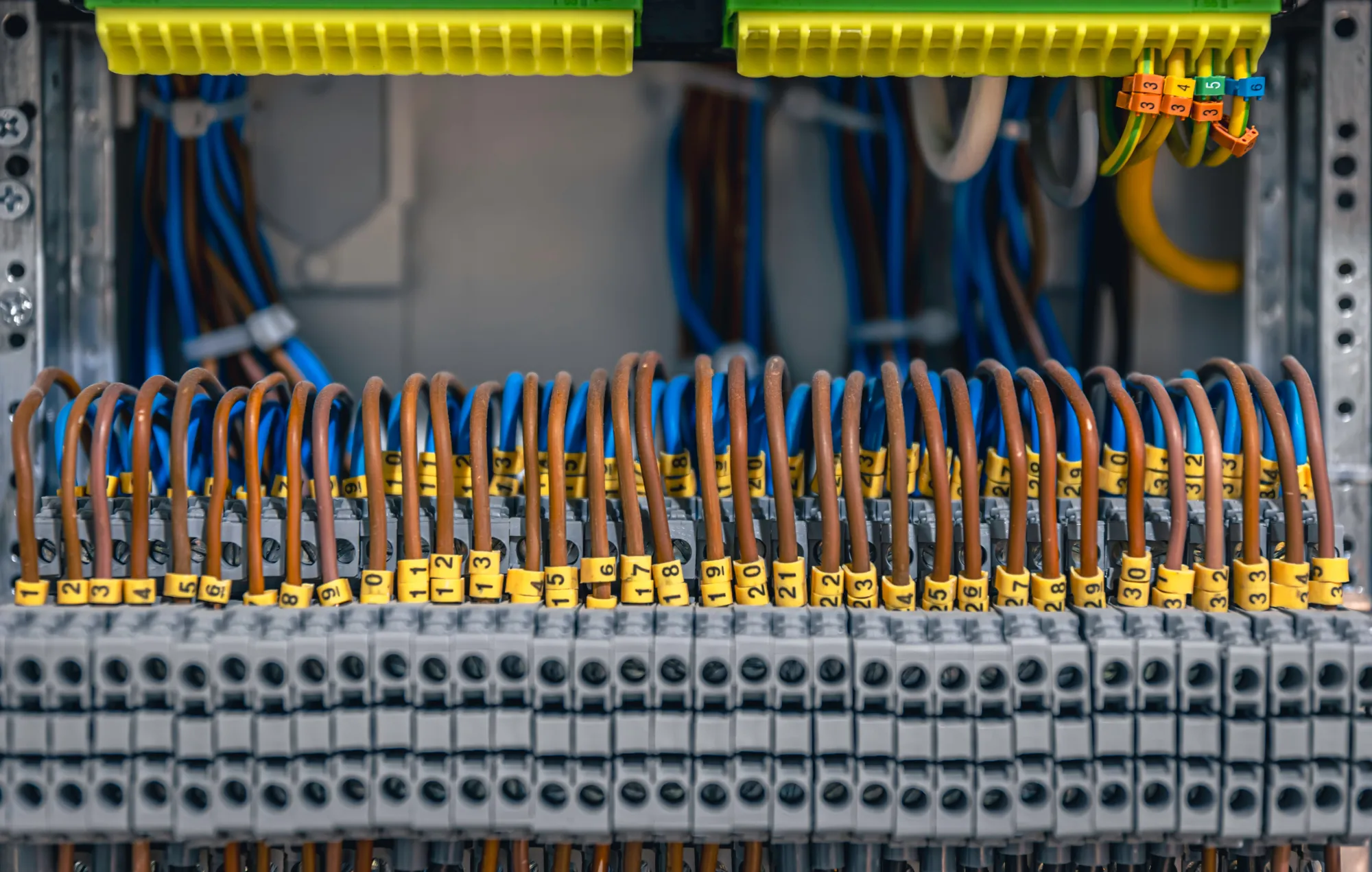

Modern workplaces are rapidly evolving into connected, technology-driven environments. From cloud computing and video conferencing to automation systems and IoT devices, businesses now depend heavily on reliable network infrastructure to maintain productivity and efficiency.
As smart office technology becomes more common, businesses require cabling systems capable of supporting increasing data demands, connected devices, and future expansion. Structured cabling plays a critical role in creating stable, scalable, and efficient office environments that support modern business operations.
Businesses across Malaga are increasingly investing in smart office infrastructure to improve collaboration, connectivity, and operational performance.
What Is Structured Cabling?
Structured cabling is a standardised network infrastructure system designed to support communication, data transfer, internet connectivity, and connected workplace technologies throughout a commercial building.
Unlike disorganised point-to-point cabling setups, structured cabling provides an organised and scalable framework that supports multiple systems from a centralised network infrastructure.
Structured cabling systems commonly support:
- Data networks
- VoIP phone systems
- Wi-Fi connectivity
- Security systems
- Smart lighting controls
- Audio-visual systems
- Building automation technology
- Cloud-based business applications
This organised infrastructure creates a more reliable and future-ready office environment.
Smart Offices Depend on Reliable Connectivity
Smart offices use connected technology to improve workplace efficiency, communication, automation, and employee experience.
Examples of smart office technology include:
- Wireless meeting room systems
- Smart lighting and energy controls
- Occupancy sensors
- Cloud collaboration tools
- IoT-enabled devices
- Access control systems
- Automated climate control
- Integrated communication platforms
These technologies require fast, stable, and high-capacity connectivity to operate effectively.
Structured cabling provides the foundation for smart office connectivity by ensuring devices and systems communicate efficiently without network congestion or performance issues.
Without reliable infrastructure, businesses may experience:
- Slow network speeds
- Connection instability
- System interruptions
- Reduced productivity
- Poor communication performance
A properly designed structured cabling system helps businesses maintain consistent network performance across the entire workplace.
Supports Faster Data Transfer and Communication
Modern offices generate and transfer large volumes of data every day. Video conferencing, cloud storage, collaborative platforms, and digital communication tools all require high-speed network performance.
Structured cabling improves business connectivity by supporting:
- Faster data transmission
- Reduced latency
- Stable video conferencing
- Efficient cloud access
- Better VoIP call quality
- Reliable internal communication
As hybrid work and remote collaboration continue to grow, reliable office network infrastructure has become essential for maintaining business productivity.
High-speed connectivity also improves employee experience by reducing delays, buffering, and communication disruptions during daily operations.
Simplifies Office Network Management
One of the major advantages of structured cabling is improved organisation and easier network management.
Traditional cabling systems often become difficult to maintain as businesses expand and add new devices or technologies. Disorganised cabling can increase troubleshooting time and create unnecessary operational disruptions.
Structured cabling systems are designed for:
- Better cable organisation
- Easier maintenance
- Faster issue identification
- Simplified upgrades
- Improved airflow in server rooms
- Reduced infrastructure clutter
This organised approach helps IT teams and businesses manage network infrastructure more efficiently while reducing downtime risks.
Scalability for Business Growth
Smart offices continue to evolve as businesses adopt new technologies and expand operations. Structured cabling supports this growth by providing scalable network infrastructure that can adapt to changing business needs.
Businesses can more easily:
- Add new workstations
- Expand departments
- Integrate smart technologies
- Increase network capacity
- Support additional users and devices
Scalable office infrastructure reduces the need for complete network replacements when businesses grow or modernise operations.
This flexibility is especially important for businesses planning long-term digital transformation strategies or future workplace upgrades.
Supports Smart Building Automation
Building automation systems are becoming increasingly common in commercial properties and smart offices.
These systems may include:
- Smart lighting automation
- Energy management systems
- Security monitoring
- Access control technology
- Environmental sensors
- HVAC automation
Structured cabling provides the backbone required for these systems to communicate efficiently across the building.
Reliable connectivity allows businesses to improve:
- Energy efficiency
- Workplace comfort
- Security management
- Operational monitoring
- Resource optimisation
As smart building technology advances, strong network infrastructure becomes even more important for seamless system integration.
Improved Reliability and Reduced Downtime
Business interruptions caused by network failures can affect productivity, communication, customer service, and operational efficiency.
Structured cabling systems are designed to improve network reliability by reducing issues associated with:
- Cable interference
- Poor signal quality
- Network congestion
- Faulty connections
- Inconsistent performance
Reliable infrastructure helps businesses maintain continuous operations and minimise downtime risks.
For offices that rely heavily on digital communication and cloud-based platforms, stable connectivity is essential for day-to-day business performance.
Better Support for Cloud-Based Operations
Most modern businesses now use cloud-based software and digital platforms for daily operations.
Examples include:
- Microsoft 365
- Cloud file storage
- SaaS applications
- Remote collaboration tools
- Virtual communication systems
Structured cabling supports cloud-based business environments by providing stable and high-speed connectivity throughout the office.
This improves:
- Cloud application performance
- File accessibility
- Team collaboration
- Remote work support
- Real-time communication
Businesses using hybrid work environments especially benefit from strong network infrastructure that supports seamless digital collaboration.
Futureproofing Modern Workplaces
Technology continues to evolve rapidly, and businesses require infrastructure capable of supporting future innovation.
Structured cabling helps futureproof smart offices by creating adaptable infrastructure for emerging technologies such as:
- AI-powered workplace systems
- Advanced IoT devices
- Smart analytics platforms
- Automated office systems
- Enhanced communication technologies
Instead of repeatedly replacing outdated cabling systems, businesses can build a long-term foundation that supports evolving digital requirements.
Businesses planning modern office upgrades may also explore professional structured cabling installation in Perth and network infrastructure solutions through Symbient Electrical for scalable and future-ready connectivity systems.
Frequently Asked Questions
What is structured cabling in an office?
Structured cabling is an organised network infrastructure system that supports data, communication, internet, and smart office technologies throughout a commercial building.
Why is structured cabling important for smart offices?
Smart offices rely on connected systems and digital technologies that require stable, high-speed, and scalable network infrastructure to function efficiently.
Can structured cabling support future business growth?
Yes. Structured cabling systems are designed to support additional devices, users, and technologies as businesses expand or modernise operations.
Does structured cabling improve office network performance?
Structured cabling can improve network reliability, reduce downtime, support faster data transfer, and simplify infrastructure management.
What technologies use structured cabling?
Structured cabling supports systems such as internet networks, VoIP phones, cloud platforms, smart lighting, security systems, IoT devices, and building automation technologies.
Conclusion
Smart offices depend on strong digital infrastructure to support communication, automation, productivity, and future business growth. Structured cabling provides the reliable and scalable foundation required for modern connected workplaces.
From improving data transfer speeds and cloud connectivity to supporting smart building automation and future technologies, structured cabling plays a vital role in helping businesses create efficient and future-ready office environments.































Sign in to leave a comment.