


Working and service dogs perform tasks that require exceptional focus, reliability, and discipline. Whether assisting individuals with disabilities, supporting security operations, or performing specialized duties, these dogs must consistently respond to commands and remain dependable in a variety of environments. Achieving this level of performance does not happen by chance. It is the result of structured training systems designed to develop specific skills while strengthening the dog's ability to work under pressure.
This blog explores how structured K9 training programs help create dependable working and service dogs capable of excelling in demanding real-world environments.
How Structured K9 Training Programs Improve Performance
Developing a successful working or service dog requires a systematic approach that focuses on building reliability, confidence, and advanced skills.
Below are some of the key ways structured training programs contribute to long-term success.
Builds a Strong Obedience Foundation
Every successful working or service dog begins with reliable obedience. Before dogs can perform specialized tasks, they must demonstrate consistent responses to commands in a variety of situations.
Many K9 training services in Conyers, GA, focus heavily on foundational obedience because advanced performance depends on strong communication between the dog and handler. Skills such as recall, heel work, place commands, and impulse control create the framework for more complex training objectives.
Without a solid foundation, even highly capable dogs may struggle to perform reliably when distractions or pressure increase.
Develops Focus and Concentration
Working dogs are often required to remain attentive for extended periods while ignoring environmental distractions. This level of concentration must be developed gradually through structured exercises that reinforce engagement and task commitment.
Training programs commonly incorporate activities designed to improve:
●Handler focus
●Environmental awareness
●Task engagement
●Distraction resistance
●Impulse control
●Decision-making abilities
These skills help dogs remain effective in situations where maintaining attention is critical to successful performance.
Creates Reliable Task Performance
Service and working dogs are expected to perform specific responsibilities consistently. Whether assisting a handler, performing security-related functions, or completing specialized assignments, reliability is essential.
Structured training introduces tasks in manageable stages before gradually increasing complexity. This method helps ensure dogs fully understand their responsibilities before being challenged in more demanding environments.
Many working dog training programs in Georgia utilize progressive learning systems that allow dogs to develop confidence while reinforcing accuracy and consistency.
Strengthens Performance Under Pressure
Real-world environments are rarely predictable. Crowded areas, unexpected noises, unfamiliar locations, and high-pressure situations can all test a dog's ability to perform effectively.
Structured training prepares dogs for these challenges by exposing them to controlled distractions and increasingly complex scenarios. This gradual progression helps dogs learn to remain calm and responsive despite changing conditions.
Improves Adaptability in Different Environments
Working and service dogs frequently operate in locations that vary significantly from one day to the next. A dog may need to perform in busy public areas, residential neighborhoods, office buildings, transportation hubs, or outdoor environments.
Structured training encourages adaptability by exposing dogs to diverse settings while maintaining consistent performance expectations. This experience helps ensure that learned behaviors transfer successfully across different environments rather than becoming dependent on a single location.
Reinforces Handler-Dog Communication
The relationship between a handler and a working dog plays a major role in overall performance. Structured training strengthens this partnership by teaching both parties how to communicate effectively under a wide range of conditions.
Reliable communication helps improve:
●Command responsiveness
●Task execution
●Situational awareness
●Team coordination
●Confidence during challenging scenarios
These improvements allow handlers and dogs to work together more efficiently while reducing confusion and hesitation.
Advanced Training Solutions for Working and Service Dogs
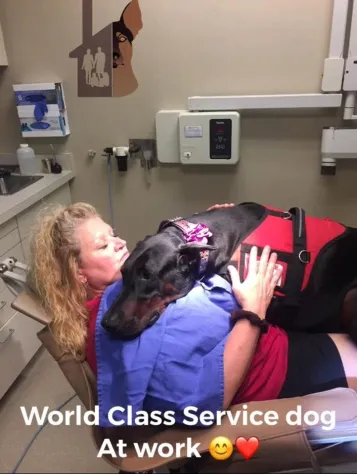
World Class K-9 provides professional training programs designed to develop reliable, focused, and highly disciplined working dogs. Their services include advanced obedience, behavior modification, specialized K9 development, and service dog training programs tailored to individual goals and responsibilities. Through structured training methods, real-world scenario preparation, and personalized instruction, they help dogs achieve the consistency and reliability needed to perform effectively in demanding environments.
Contact World Class K-9 today to learn more about their professional K9 training services and schedule a consultation.
Author Bio
Daniel James is a canine behavior writer and training industry researcher who specializes in working dog development, advanced obedience, and canine performance training. He regularly writes educational content focused on helping dog owners, trainers, and handlers better understand the principles behind successful canine development and long-term training success.




























Sign in to leave a comment.