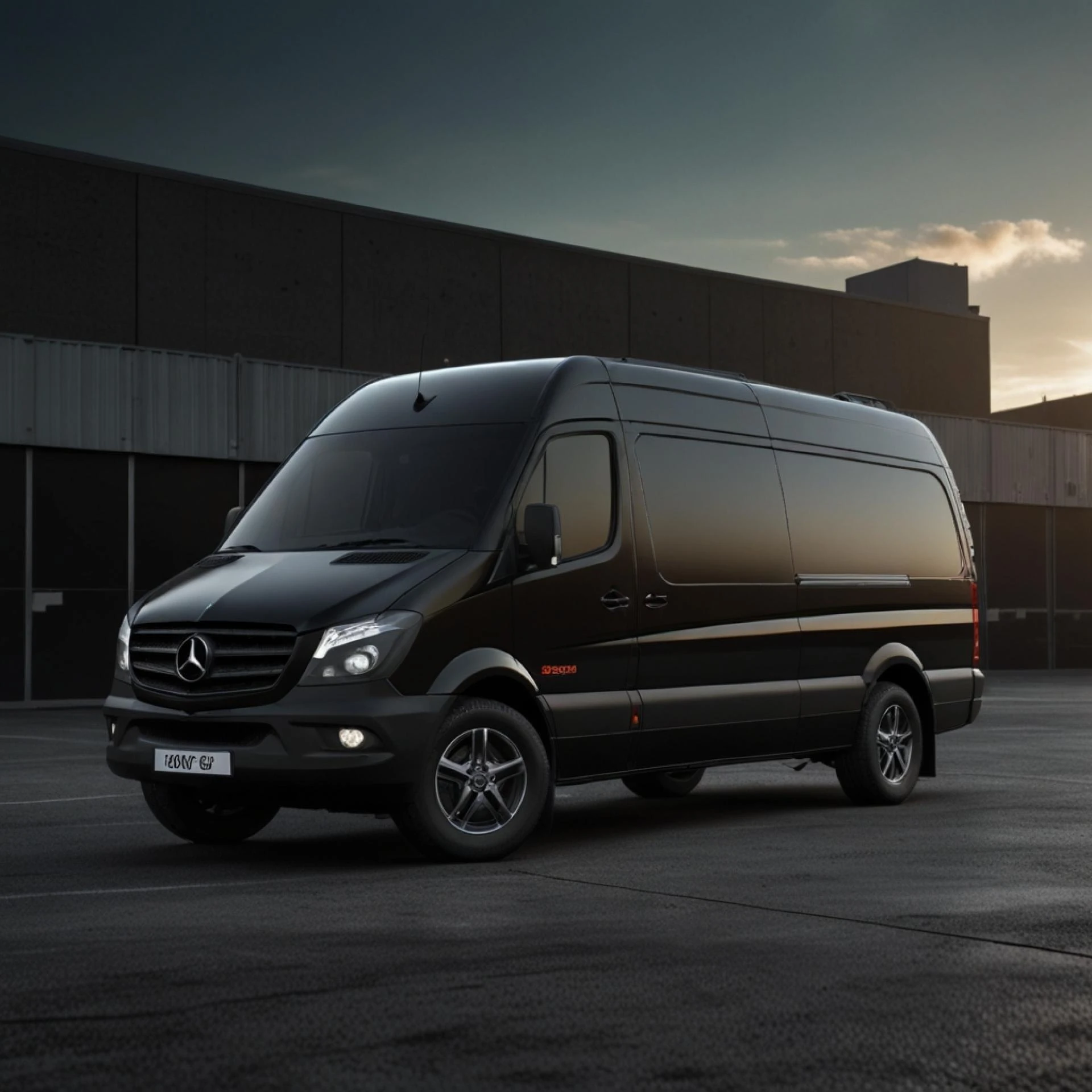

The Sprinter Van Rental industry is undergoing significant changes due to advancements in technology. From integrated booking systems to enhanced safety features and environmentally conscious innovations, technology is revolutionizing the way drivers and businesses lease vans. With the rise of digital solutions, B2B services for corporate events, group travel, and logistics are evolving to meet consumer demands more efficiently.
Digital Booking and Reservation Platforms
One of the most significant technological advancements in the rental industry is the development of digital booking systems. These platforms offer numerous advantages, including:
- User-Friendly Websites and Apps: Customers can seamlessly book rentals online without lengthy phone calls or complicated processes.
- AI-Driven Chatbots: Virtual assistants help customers select the best van based on their needs, ensuring a smooth booking experience.
- Real-Time Availability Monitoring: Clients can check vehicle availability instantly, preventing overbookings and scheduling conflicts.
GPS Tracking and Fleet Management
Technology has enhanced fleet management, allowing rental companies to track and optimize vehicle usage. GPS tracking offers several benefits:
- Optimized Routing: Real-time GPS tracking helps vehicles take the most efficient routes, saving time and fuel.
- Enhanced Security: Rental companies can monitor their vans, reducing the risk of theft or unauthorized usage.
- Fleet Optimization: By analyzing travel data, businesses can maximize fleet utilization, reduce downtime, and lower maintenance costs.
Smart Vehicle Features and Connectivity
New Sprinter vans are equipped with advanced technology to improve both the driving and rental experience. Key features include:
- Infotainment Systems: Integrated touchscreens, Bluetooth connectivity, and Wi-Fi hotspots enhance passenger comfort and entertainment.
- Advanced Driver Assistance Systems (ADAS): Features like lane-keeping assist, adaptive cruise control, and automatic emergency braking improve road safety.
- Remote Diagnostics: Rental companies can monitor vehicle performance and address maintenance issues before they become major problems.
Electrification and Sustainability Initiatives
As environmental concerns grow, the industry is adopting eco-friendly technologies. Notable advancements include:
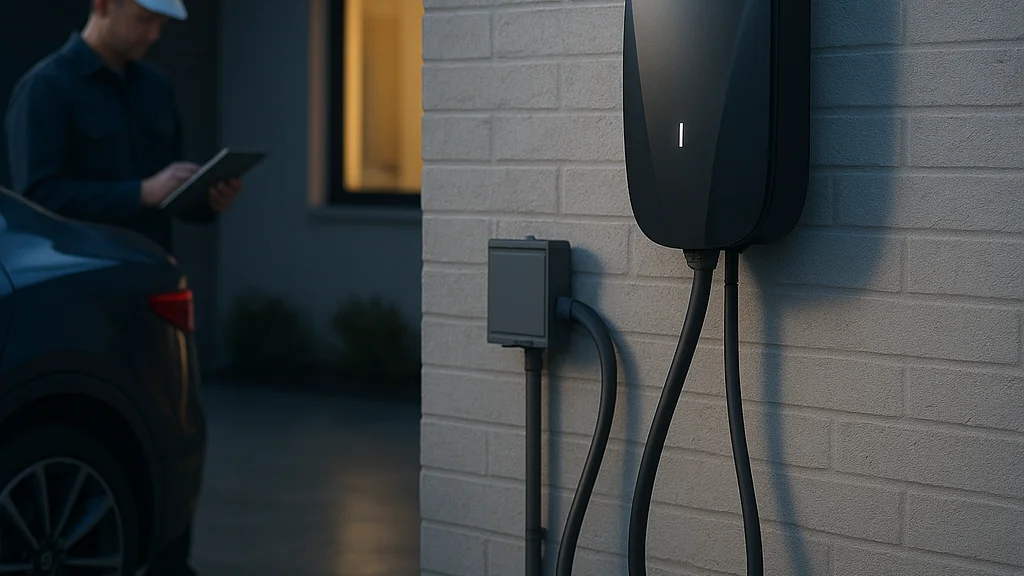
- Electric Sprinter Vans: Companies are expanding their fleets with electric and hybrid models to reduce carbon footprints.
- Sustainable Fleet Management: Rental businesses are implementing energy-efficient driving programs and carbon offset initiatives.
- Expanded Charging Infrastructure: The increasing number of charging stations makes electric vans a viable option for long-distance travel.
Contactless Rental and Payment Systems
Digital payment solutions have transformed how customers rent and pay for vans. These innovations include:
- Contactless Payment: Customers can use digital wallets and online platforms for seamless, touch-free transactions.
- Self-Service Kiosks: Some rental providers offer kiosks with Wi-Fi connectivity, allowing customers to check in, pick up keys, and return vehicles without staff interaction.
- Automated Rental Agreements: Digital contract management streamlines the rental process, reducing paperwork and improving efficiency.
AI and Data Analytics in Customer Service
Artificial intelligence and data analytics are enhancing customer service and operational efficiency. Key trends include:
- Predictive Maintenance: AI-driven diagnostics help prevent unexpected breakdowns by predicting when maintenance is needed.
- Customer Preference Analytics: Rental companies use data to personalize recommendations and improve user experiences.
- Automated Customer Support: AI-powered chatbots and virtual assistants provide quick and efficient responses to customer inquiries.
Integration with Ride-Sharing and Logistics Platforms
The Sprinter Van Rental industry is evolving alongside transportation and logistics services, leading to:
- On-Demand Van Booking: Customers can rent vans for short-term use through platforms similar to ride-sharing services.
- Corporate Fleet Partnerships: Businesses collaborate with rental companies to provide seamless transportation solutions for employees and clients.
- E-commerce Logistics: Rental vans are increasingly being used for last-mile deliveries, boosting supply chain efficiency.
The Future of Sprinter Van Rentals
As technology continues to evolve, future advancements in the industry may include:
- Autonomous Sprinter Vans: Self-driving technology could lead to fully autonomous rentals, eliminating the need for drivers.
- Augmented Reality (AR) Interfaces: AR could enhance vehicle navigation, customer interactions, and real-time maintenance support.
- Subscription-Based Rental Models: More companies may introduce membership-based rental plans where customers pay based on usage.
Conclusion
Technology is transforming the Sprinter Van Rental industry, making the process faster, safer, and more sustainable. From AI-powered booking systems and real-time fleet management to electric vehicles and digital payment solutions, these innovations are shaping the future of transportation. As rental companies continue to embrace new technologies, customers will enjoy a more seamless and efficient rental experience—whether for business, travel, or logistics.

























Sign in to leave a comment.