

A bright, white smile can dramatically enhance a person’s confidence and overall appearance. Searching for teeth whitening solutions provides access to a variety of professional and at-home options designed to remove stains and restore the natural brightness of teeth. Understanding how teeth whitening works and knowing what to expect can help individuals make informed decisions and achieve optimal results safely.
Understanding Teeth Whitening
Teeth whitening is a cosmetic dental procedure that focuses on lightening the color of teeth. It is one of the most popular treatments in cosmetic dentistry due to its immediate and noticeable effects. Teeth can become discolored over time from factors such as coffee, tea, wine, tobacco, aging, and certain medications. Teeth whitening treatments address these stains to enhance the overall appearance of the smile.
How Teeth Whitening Works
Teeth whitening primarily uses bleaching agents to break down stains on the enamel and dentin. The most common active ingredients are hydrogen peroxide or carbamide peroxide. These compounds penetrate the tooth surface, oxidizing stains and causing the teeth to appear brighter.
Professional treatments are usually stronger than over-the-counter options, allowing for faster and more uniform results. Some whitening products rely on light or laser activation to enhance the bleaching effect. The procedure is safe when performed under the supervision of a dental professional, minimizing the risk of tooth sensitivity or gum irritation.
Types of Teeth Whitening
There are several methods available to achieve a whiter smile:
- In-Office Whitening: Performed by a dental professional, this method uses higher-concentration bleaching agents for rapid results. A protective barrier is applied to the gums, and whitening gel is carefully placed on the teeth.
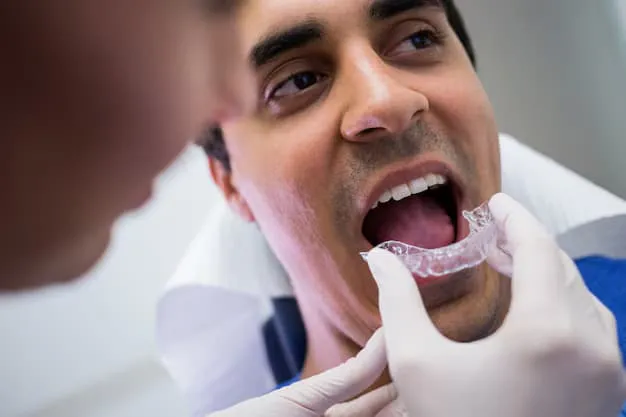
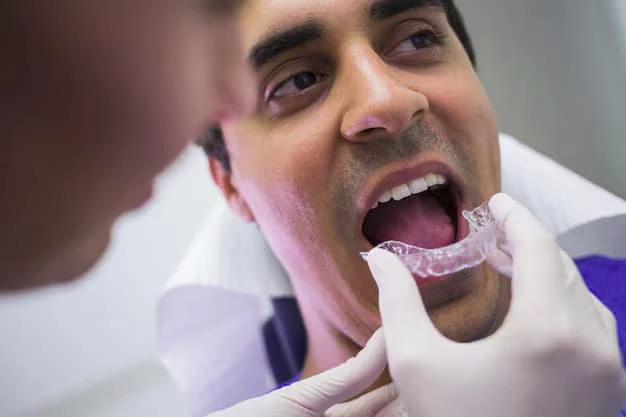
- At-Home Whitening Kits: These kits often include custom trays and lower-concentration bleaching gel for gradual results over several days or weeks.
- Over-the-Counter Products: Whitening strips, toothpaste, and gels can provide mild results but are generally less effective than professional options.
What to Expect During Teeth Whitening
Understanding the procedure can help reduce anxiety and ensure a positive experience.
Consultation and Assessment
Before starting treatment, a dental professional evaluates the patient’s oral health. This assessment ensures that teeth and gums are healthy enough for whitening. Any existing dental issues, such as cavities or gum disease, should be addressed beforehand to prevent complications.
The Whitening Procedure
For in-office treatments, the procedure typically takes about 60 to 90 minutes. The dentist applies a protective coating to the gums, followed by the whitening agent on the teeth. Depending on the method, a special light or laser may be used to accelerate the bleaching process. Multiple sessions may be recommended for optimal results.
At-home treatments require consistent application over a period of days or weeks. Patients should follow instructions carefully to prevent uneven whitening or tooth sensitivity.
Expected Results
The effectiveness of teeth whitening varies based on the type of stains, the concentration of the whitening agent, and individual factors such as enamel thickness. Most patients notice a visible improvement after a single professional session, while at-home treatments provide gradual results. It is important to maintain realistic expectations, as whitening does not permanently alter tooth color and may need periodic touch-ups.
Possible Side Effects
Some patients may experience temporary tooth sensitivity or mild gum irritation after whitening. These effects usually subside within a few days. Using a toothpaste designed for sensitive teeth and following post-treatment care instructions can help minimize discomfort.
Maintaining a White Smile
After achieving the desired results, proper care is essential to prolong the effects of teeth whitening.
Oral Hygiene Practices
Brushing twice a day, flossing daily, and using mouthwash help prevent new stains from forming. Regular dental checkups and professional cleanings also support long-term results.
Lifestyle Considerations
Limiting consumption of stain-causing foods and drinks, such as coffee, tea, red wine, and tobacco, can help maintain a bright smile. Using a straw for beverages and rinsing the mouth with water after consuming staining foods can also reduce discoloration.
Touch-Up Treatments
Periodic whitening sessions or touch-up kits can help sustain the desired brightness. Professional guidance ensures that touch-ups are safe and effective without causing damage to the teeth.
Conclusion
Teeth whitening is a safe and effective way to enhance the appearance of the smile and boost self-confidence. By understanding how the process works, what to expect during treatment, and how to maintain results, individuals can make informed decisions and enjoy lasting benefits. For those seeking professional guidance, Smilesbyrizzo offers expert teeth whitening services tailored to individual needs, ensuring a brighter, healthier smile that leaves a lasting impression.


























Sign in to leave a comment.