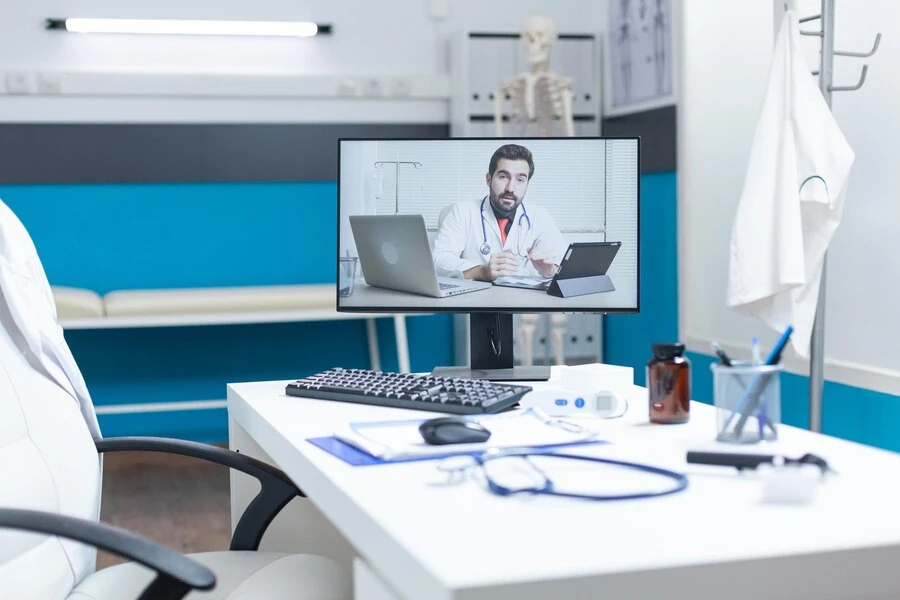

Telemedicine is reshaping the healthcare landscape, providing innovative solutions to improve patient care and accessibility. In Chicago, the adoption of telemedicine has led to significant transformations in how healthcare is delivered. This article explores the impact of telemedicine services in Chicago and how they are revolutionizing healthcare.
The Rise of Telemedicine in Chicago
The rise of telemedicine in Chicago has been driven by several factors, including technological advancements, policy support, and the need for safer healthcare delivery methods. Key aspects of this rise include:
- Technological Innovation: High-speed internet, advanced software, and mobile technology have made telemedicine more accessible and reliable.
- Regulatory Support: Changes in healthcare regulations and insurance policies have facilitated the widespread adoption of telemedicine.
- Pandemic Influence: The COVID-19 pandemic highlighted the importance of telemedicine in providing safe, effective care without physical contact.
Transformations in Patient Care
Telemedicine has brought about significant changes in patient care, enhancing the overall healthcare experience. These transformations include:
1. Improved Access to Care Telemedicine has made it easier for patients to access medical services, particularly those in remote or underserved areas. In Chicago, this has helped bridge gaps in healthcare availability.
2. Timely Medical Consultations Patients can schedule and attend appointments more conveniently, reducing wait times and enabling quicker access to medical advice and treatment.
3. Continuity of Care Telemedicine supports ongoing monitoring and management of chronic conditions, allowing for more consistent and comprehensive care.
4. Enhanced Patient-Provider Communication Telemedicine platforms facilitate better communication between patients and healthcare providers, leading to improved patient engagement and satisfaction.
5. Mental Health Support Telemedicine has expanded access to mental health services, providing crucial support for individuals dealing with anxiety, depression, and other mental health issues.
Transformations in Healthcare Efficiency
In addition to improving patient care, telemedicine has also enhanced healthcare efficiency in various ways:
1. Reduced Healthcare Costs
Telemedicine reduces costs associated with in-person visits, such as transportation and facility overheads. This cost-effectiveness benefits both patients and healthcare providers.
2. Streamlined Processes
Digital platforms used in telemedicine streamline administrative processes, reducing paperwork and improving workflow efficiency.
3. Better Resource Allocation
Telemedicine enables healthcare providers to allocate resources more effectively, ensuring that patients receive timely and appropriate care.
4. Emergency Room Relief
By providing an alternative for non-emergency consultations, telemedicine helps reduce the burden on emergency rooms, allowing them to focus on critical cases.
5. Data-Driven Insights
Telemedicine platforms often include data analytics tools that help healthcare providers track patient outcomes and improve treatment strategies.
The Future of Telemedicine in Chicago
The future of telemedicine services in Chicago is promising, with ongoing advancements expected to further enhance its impact. Anticipated developments include:
- Integration of AI and Machine Learning: These technologies will enhance diagnostic accuracy, treatment planning, and patient monitoring.
- Expansion of Services: Telemedicine will likely encompass a broader range of services, including specialized care and remote monitoring.
- Increased Adoption: As telemedicine becomes more user-friendly and accessible, more patients and healthcare providers are expected to adopt these services.
- Continued Policy Support: Support from policymakers and insurers will be crucial in maintaining and expanding telemedicine services.
FAQs
Q: How can telemedicine improve healthcare accessibility?
A: Telemedicine eliminates geographical barriers, making it easier for patients in remote or underserved areas to access medical care. It also offers convenient scheduling options, reducing wait times.
Q: Are telemedicine services as effective as in-person visits?
A: Telemedicine is highly effective for many conditions, including routine consultations, follow-ups, and non-emergency care. However, some situations may still require in-person visits.
Q: What are the main benefits of telemedicine for patients?
A: Key benefits include increased accessibility, convenience, cost savings, improved patient-provider communication, and enhanced mental health support.
Q: How does telemedicine impact healthcare providers?
A: Telemedicine improves workflow efficiency, reduces overhead costs, enables better resource allocation, and provides data-driven insights for improved patient care.
Q: Is telemedicine secure and private?
A: Yes, reputable telemedicine platforms use encryption and other security measures to protect patient information and ensure privacy.
































Sign in to leave a comment.