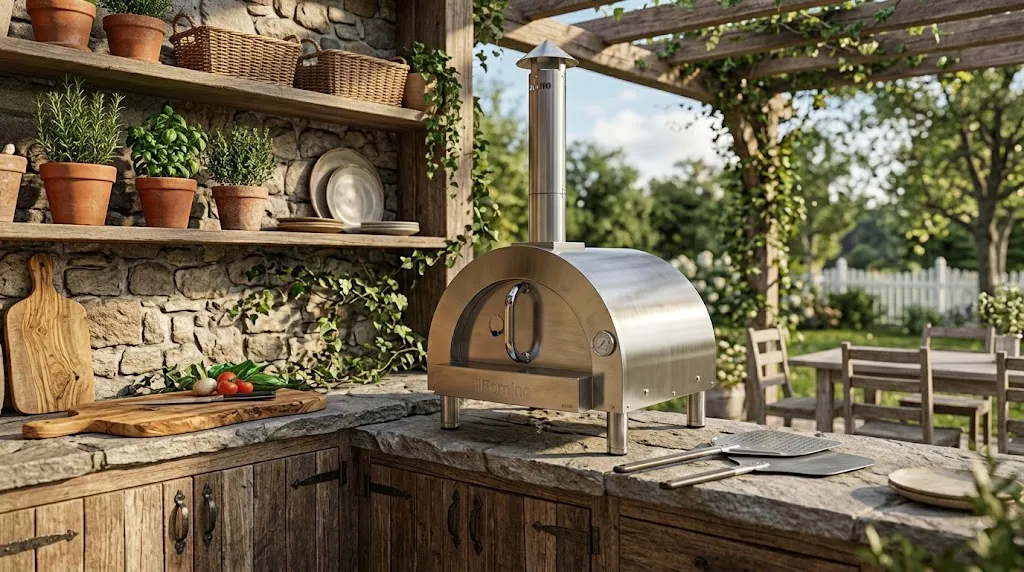

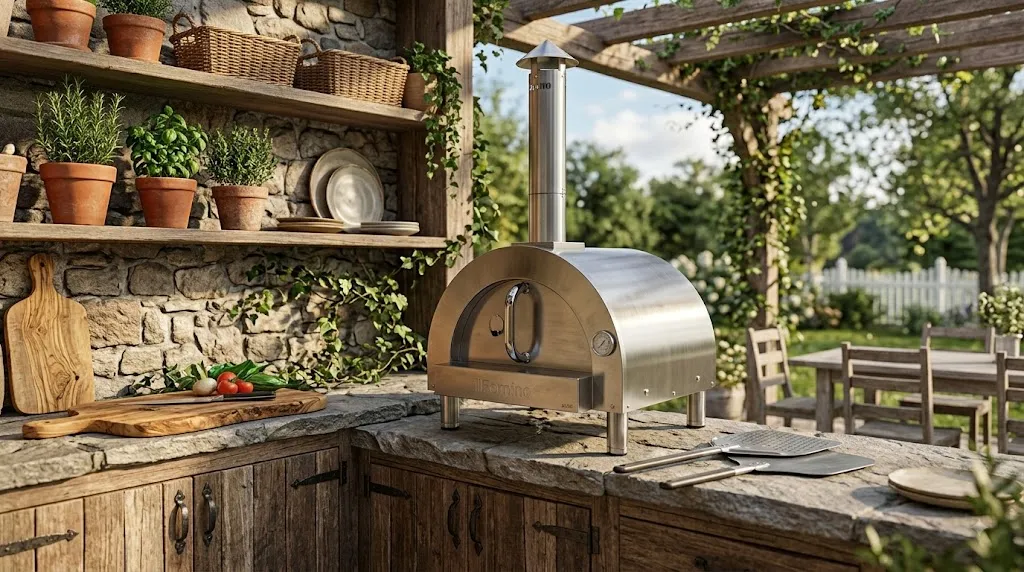
There is something special about a rustic outdoor kitchen.
It does not need to look perfect. In fact, a few natural imperfections can make the space feel more inviting. Rough wood, natural stone, warm lighting, plants, and weathered finishes can turn a simple outdoor cooking area into a place where people actually want to spend time.
The good news is that you do not need to completely rebuild your outdoor kitchen to get that look. A few thoughtful changes can bring more natural character into the space.
Here are some simple ways to add natural elements to a rustic outdoor kitchen while keeping it comfortable, practical, and easy to maintain.
1. Start With Natural Stone
Stone is one of the easiest ways to give an outdoor kitchen a rustic feel.
You can use natural stone for countertops, walls, flooring, or even a small backsplash behind the cooking area. Materials such as slate, limestone, fieldstone, and granite can work well outdoors.
The key is not to use too many different types of stone. Pick one main material and let it become part of the overall design.
For example, a rough stone backsplash can look great beside a wood countertop. The contrast between the two materials adds character without making the kitchen feel busy.
Natural stone also works well because it does not have to look brand new. Small variations in color and texture are part of its appeal.
2. Bring in Warm Wood
Wood can instantly make an outdoor kitchen feel warmer.
Consider using wood for cabinet doors, open shelving, a dining table, bar stools, or decorative beams. Reclaimed wood can be especially attractive if you want a more lived-in rustic appearance.
However, outdoor wood needs the right protection. Choose materials that are suitable for outdoor use and make sure they are properly sealed or treated for the local weather.
You can also use wood in smaller ways.
A wooden cutting board, serving tray, shelves, or stools can introduce the material without requiring major construction work.
The goal is to create warmth, not cover every surface in wood.
3. Add Plants Around the Cooking Area
Plants can make an outdoor kitchen feel connected to the surrounding landscape.
Instead of placing plants randomly, think about how you actually use the kitchen.
Herbs are a natural choice. Basil, rosemary, thyme, mint, and oregano can be grown in containers close to the preparation area. They are useful while cooking and add a fresh touch to the space.
For larger kitchens, consider using planters around the edges.
Native plants are often a smart option because they are generally better suited to the local climate. They can also help the kitchen blend naturally into the backyard instead of looking like a separate structure.
Just keep plants and dry leaves away from grills, pizza ovens, and other hot cooking surfaces.
4. Choose Earthy Colors
Color can change the entire mood of an outdoor kitchen.
Rustic spaces usually work well with colors found in nature. Think warm brown, cream, beige, muted green, terracotta, charcoal, and soft gray.
You do not have to paint everything.
Instead, introduce these shades through cushions, planters, tiles, outdoor rugs, tableware, and other small details.
For example, a neutral stone countertop paired with dark wood cabinets and green plants can create a calm, natural look.
Try to avoid using too many bright colors at once. A simple palette often makes natural materials stand out more.
5. Use Handmade or Textured Details
Rustic design is not only about the materials you choose. Texture matters, too.
Handmade-looking tiles, woven baskets, ceramic dishes, clay pots, and textured fabrics can give an outdoor kitchen more personality.
These details are especially useful if the main kitchen has modern appliances or stainless steel surfaces.
A few softer, handmade elements can balance the harder materials.
For instance, a woven basket filled with napkins or utensils can make a stainless steel countertop feel less industrial. A few handmade ceramic serving plates can add warmth to an otherwise simple outdoor dining area.
Small details often make the biggest difference.
6. Create a Natural Gathering Area
An outdoor kitchen should not be designed only around cooking.
Think about what happens before and after the meal.
People may sit nearby while someone cooks. Friends might gather around the counter. Children may want a place to sit and eat. Someone may simply want to enjoy a drink while dinner is being prepared.
A wooden dining table, stone seating wall, or comfortable outdoor chairs can help create that connection.
If space allows, place the seating close enough to the kitchen that the person cooking does not feel separated from everyone else.
That simple layout choice can make the outdoor kitchen feel much more social.
7. Add Soft Outdoor Lighting
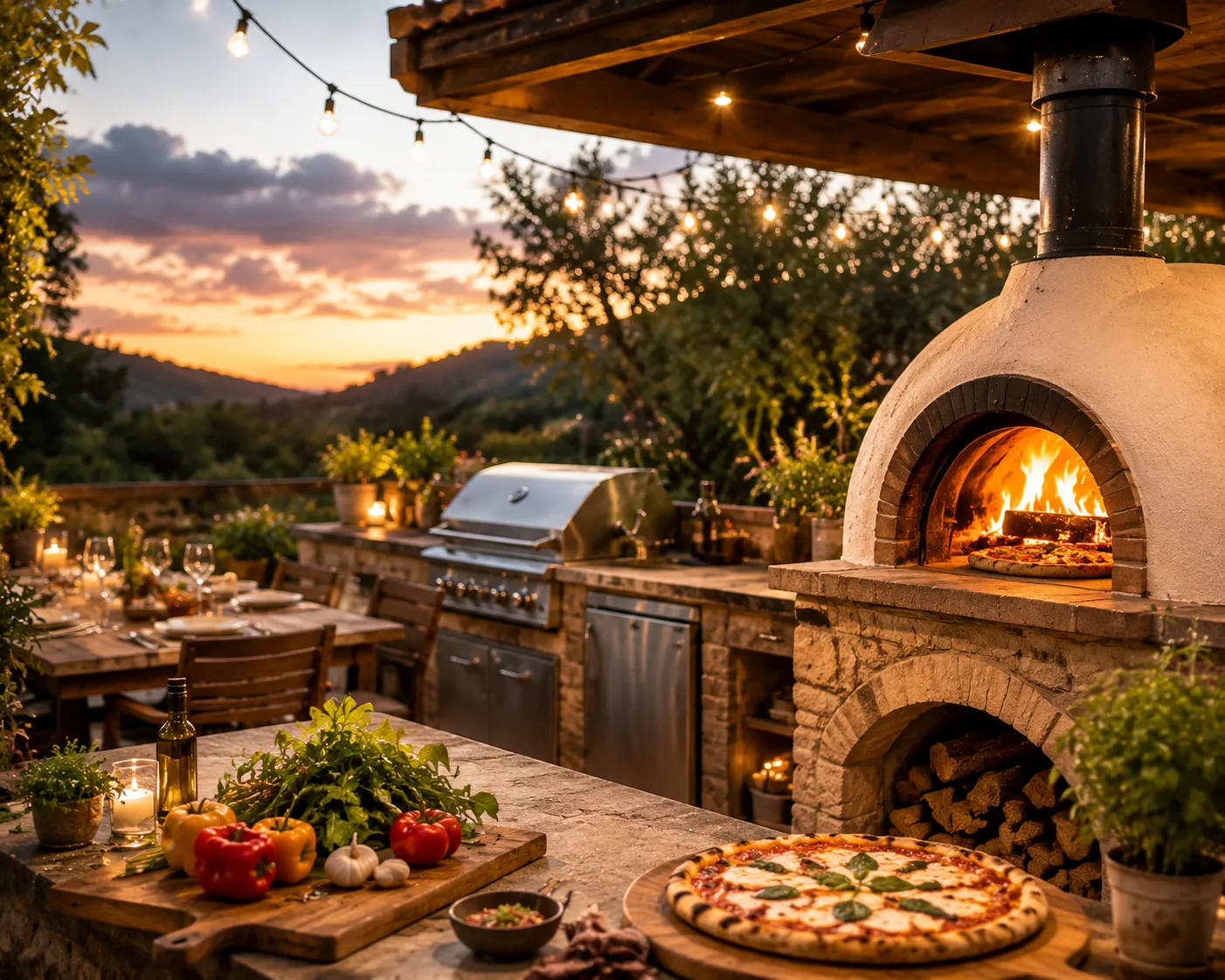
Lighting can completely change the feeling of a rustic outdoor kitchen after sunset.
Instead of relying only on bright overhead lights, use several softer sources.
String lights, lanterns, wall lights, and low-level pathway lighting can create a warmer atmosphere. You can also use lighting to highlight natural materials such as stone walls, wood beams, or plants.
At the same time, make sure the cooking area has enough task lighting.
A beautiful outdoor kitchen is not very useful if you cannot see what you are chopping or cooking at night.
A good balance is simple: brighter light where you work and softer light where people sit and relax.
8. Let the Landscape Become Part of the Design
One of the best ways to make an outdoor kitchen feel natural is to work with what is already there.
If your kitchen is next to a large tree, do not automatically try to hide it. Use the tree as part of the setting.
The same applies to garden beds, stone paths, natural slopes, and mature plants.
You can also choose materials that repeat elements already found in your yard.
For example, if your garden has gray stone, consider using a similar shade for the kitchen backsplash. If your backyard has lots of greenery, warm wood and earthy tiles can complement it.
When the materials and landscape work together, the kitchen feels like part of the backyard rather than something placed on top of it.
9. Keep the Rustic Look Practical
A rustic outdoor kitchen should still be easy to use.
Natural materials can look beautiful, but outdoor spaces deal with rain, sunlight, dirt, heat, and changing temperatures.
Before choosing a material, think about how much maintenance it needs.
Ask yourself:
- Will it handle outdoor weather?
- Is it easy to clean?
- Does it need regular sealing?
- Will it become slippery when wet?
- Can it handle heat from the cooking area?
- Will its appearance work with the rest of the backyard?
These questions are worth considering before making a purchase.
The best rustic kitchens combine natural beauty with materials that can handle everyday outdoor life.
10. Do Not Overdo the Rustic Style
There is a fine line between rustic and cluttered.
You do not need reclaimed wood, stone, clay pots, woven baskets, plants, lanterns, and vintage accessories everywhere.
Choose a few elements that you genuinely like.
For example, you might build the kitchen around three materials: stone, wood, and metal. Then use plants and warm lighting to soften the space.
This creates a more natural look without making the kitchen feel like a themed set.
Sometimes leaving an area simple is what makes the other materials stand out.
A Rustic Outdoor Kitchen Should Feel Lived In
The best outdoor kitchens are not necessarily the ones with the most expensive finishes.
They are the spaces that feel comfortable when people gather around them.
Natural stone gives the kitchen texture. Wood adds warmth. Plants bring life into the space. Soft lighting makes it welcoming after sunset. Simple handmade details give it personality.
Most importantly, these elements should work together.
You do not need to copy a particular rustic kitchen design. Start with the materials and colors that already make sense for your home and landscape. Then add pieces gradually.
Over time, the kitchen can develop its own character.
That is what makes a rustic outdoor kitchen feel special. It should look like a natural part of the home, not something that was designed all at once.


























Sign in to leave a comment.