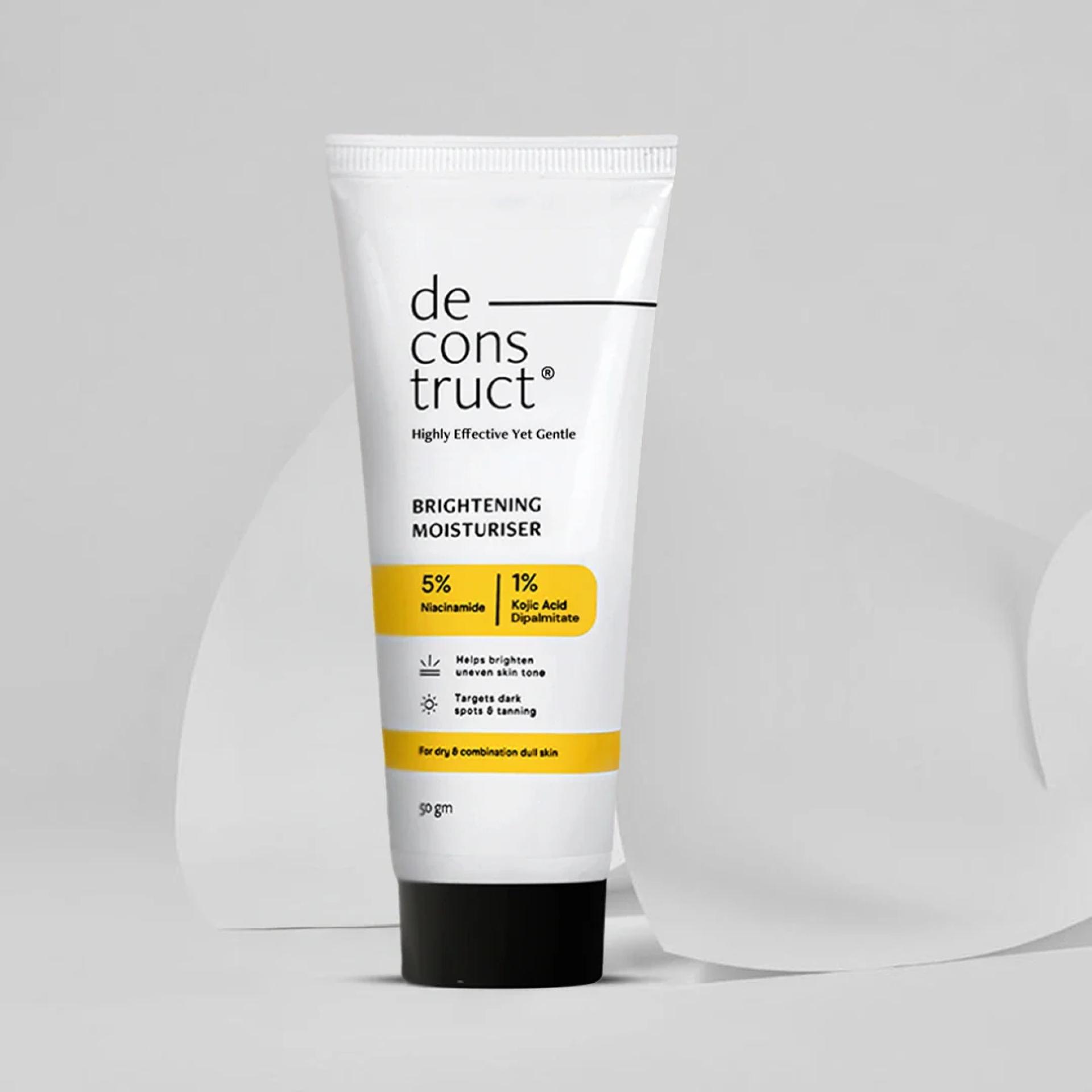
As the temperature drops and the air becomes drier, your skin often becomes the first to feel the impact of winter. Many people experience increased dryness, flakiness, tightness, and even heightened sensitivity during the colder months. This seasonal shift can wreak havoc on your skin barrier, stripping away its natural moisture and leaving it vulnerable.
That’s where moisturizer comes in—not just as a part of your routine, but as the foundation of it.
In winter, choosing the right moisturizer and knowing how to build your entire skincare regimen around it can make a significant difference in how your skin looks and feels. In this blog post, we’ll walk you through exactly how to build a winter-proof skincare routine with your moisturizer at the center—because hydrated skin is healthy skin, no matter the season.
1. Why Winter Demands a Different Skincare Approach
Winter weather creates a perfect storm for dry, irritated skin. Here’s why:
- Cold outdoor air has very low humidity, which draws moisture away from your skin.
- Indoor heating systems further dehydrate the air, making the environment doubly drying.
- Sebum production slows down in colder months, reducing your skin’s natural protective oil.
- The skin barrier weakens, making it harder for skin to retain moisture and protect itself from irritants.
This is why your summer skincare routine may not cut it during the winter. Your skin needs more hydration, more nourishment, and above all—a good moisturizer that seals everything in.
2. Start with the Right Moisturizer: Your Winter Hero Product
Your winter skincare routine should revolve around a moisturizer that deeply hydrates, nourishes, and protects. Here’s what to look for:
Key Ingredients & Features:
- Richer Texture: Go for a cream or balm instead of a lightweight lotion.
- Occlusives: Ingredients like petrolatum, shea butter, and dimethicone help form a barrier to lock in moisture.
- Humectants: Such as hyaluronic acid and glycerin, which draw water into the skin.
- Emollients: Like squalane and ceramides that smooth and soften the skin while strengthening the barrier.
Ingredients to Avoid:
- Harsh Fragrances: Can irritate dry or sensitive skin.
- Alcohol-heavy Formulas: May dry out the skin even more.
Tips by Skin Type:
- Dry Skin: Look for thick creams with ceramides and shea butter.
- Oily/Combination Skin: Opt for gel-cream hybrids with non-comedogenic ingredients.
- Sensitive Skin: Use fragrance-free, hypoallergenic moisturizers with soothing ingredients like oatmeal or allantoin.
3. Build the Routine Step-by-Step (Morning + Night)
Now that you’ve got your moisturizer picked, here’s how to build a simple, effective winter routine around it.
Morning Routine
- Gentle Cleanser
- Use a non-foaming or cream-based cleanser to avoid stripping your skin's natural oils.
- Hydrating Toner or Mist (Optional)
- Adds a light layer of hydration and preps skin for the next steps.
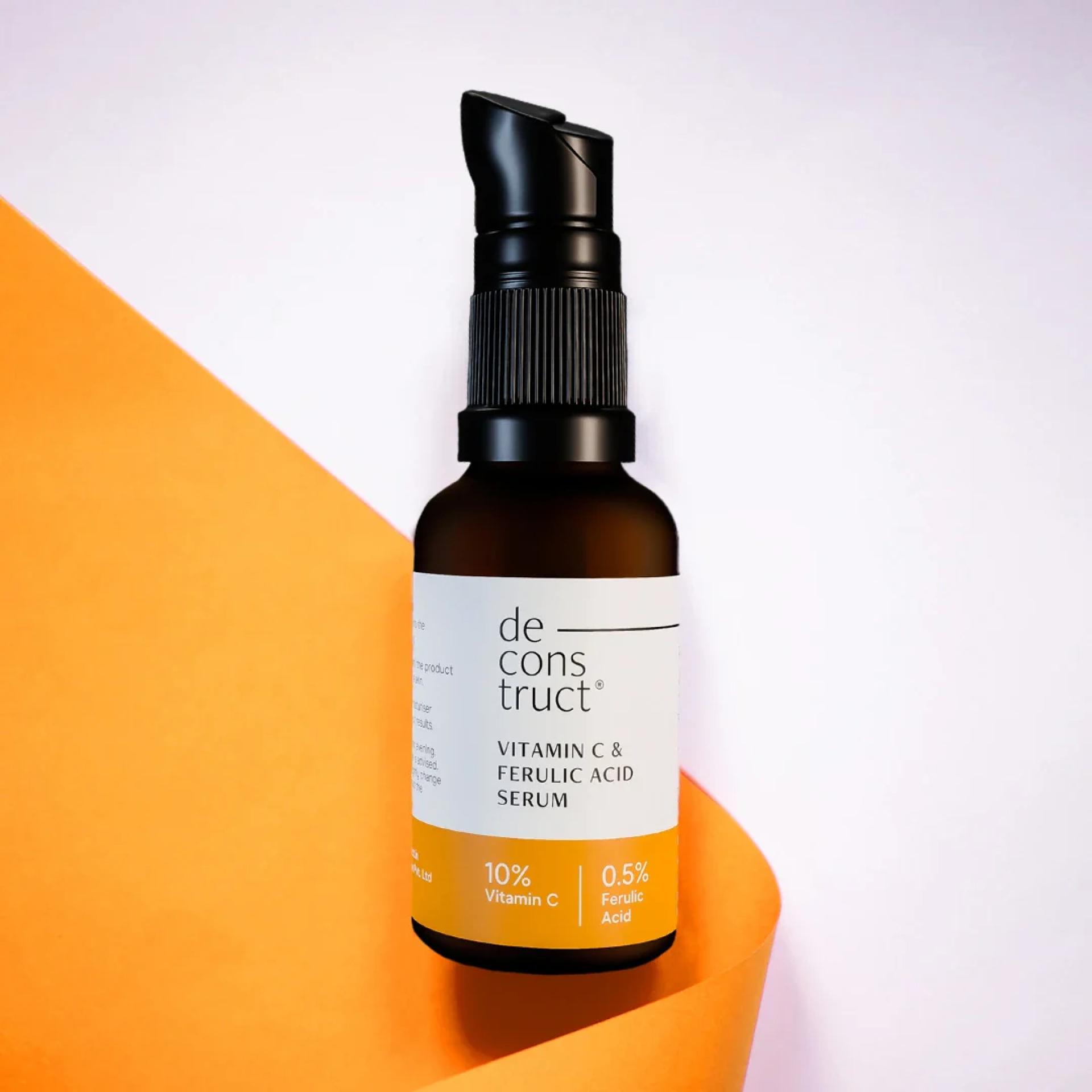
- Hydrating or Antioxidant Serum
- Look for ingredients like hyaluronic acid, niacinamide, or vitamin C to hydrate and protect from environmental stressors.
- Moisturizer
- Apply your moisturizer while your skin is still slightly damp to help seal in hydration.
- Sunscreen (SPF 30+)
- Even on cloudy winter days, UV rays can damage your skin. Choose a sunscreen with moisturizing ingredients.
Night Routine
- Double Cleanse (if needed)
- If you've worn SPF or makeup, use an oil-based cleanser first, followed by a gentle cleanser.
- Hydrating Serum or Essence
- These support overnight skin repair and boost moisture levels.
- Night Moisturizer or Sleeping Cream
- Use a thicker product than your daytime moisturizer to nourish skin while you sleep.
- Facial Oil or Occlusive Layer (Optional)
- Add a few drops of facial oil or a balm on top of your moisturizer if your skin feels extra dry or tight.
4. Weekly Add-Ons to Support Moisturizer Effectiveness
Exfoliation (1–2x/week)
- Exfoliating helps remove dead skin cells that block your moisturizer from absorbing properly.
- Use gentle chemical exfoliants like lactic acid or PHA—avoid harsh scrubs that can worsen dryness.
Hydrating Masks
- Use once or twice a week to give your skin an extra moisture boost.
- Look for ingredients like aloe vera, glycerin, or panthenol.
5. Lifestyle Tips to Maximize Moisturizer Benefits
Your skincare products work better when supported by healthy habits:
- Use a humidifier: Reintroduces moisture into dry indoor air.
- Drink enough water: Hydration starts from within.
- Avoid long, hot showers: They can strip away natural oils.
- Pat, don’t rub: Gently pat your skin dry with a towel after cleansing or showering.
6. Common Mistakes to Avoid
Avoid these pitfalls that can undo all your good moisturizing work:
- Skipping SPF in winter – UV rays are still present and can damage dry, unprotected skin.
- Using your summer moisturizer – Lightweight gels may not provide enough protection in winter.
- Over-exfoliating – Can compromise the skin barrier further.
- Applying moisturizer to dry skin – Always apply it while your skin is slightly damp to lock in hydration.
Conclusion
Winter skincare doesn’t have to be complicated—but it does need to be intentional. By building your routine around a high-performing, nourishing moisturizer, you can keep your skin comfortable, hydrated, and glowing even in the harshest conditions.





























Sign in to leave a comment.