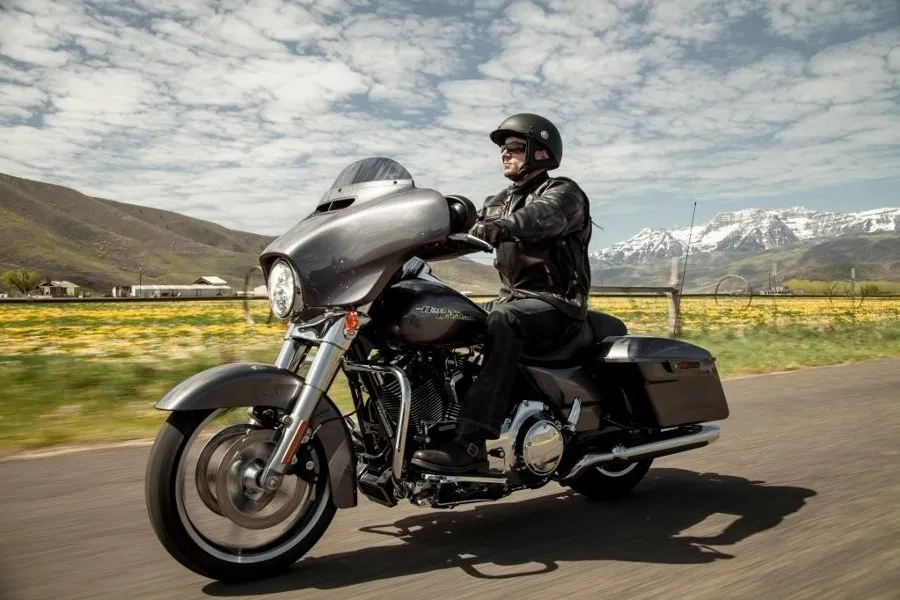

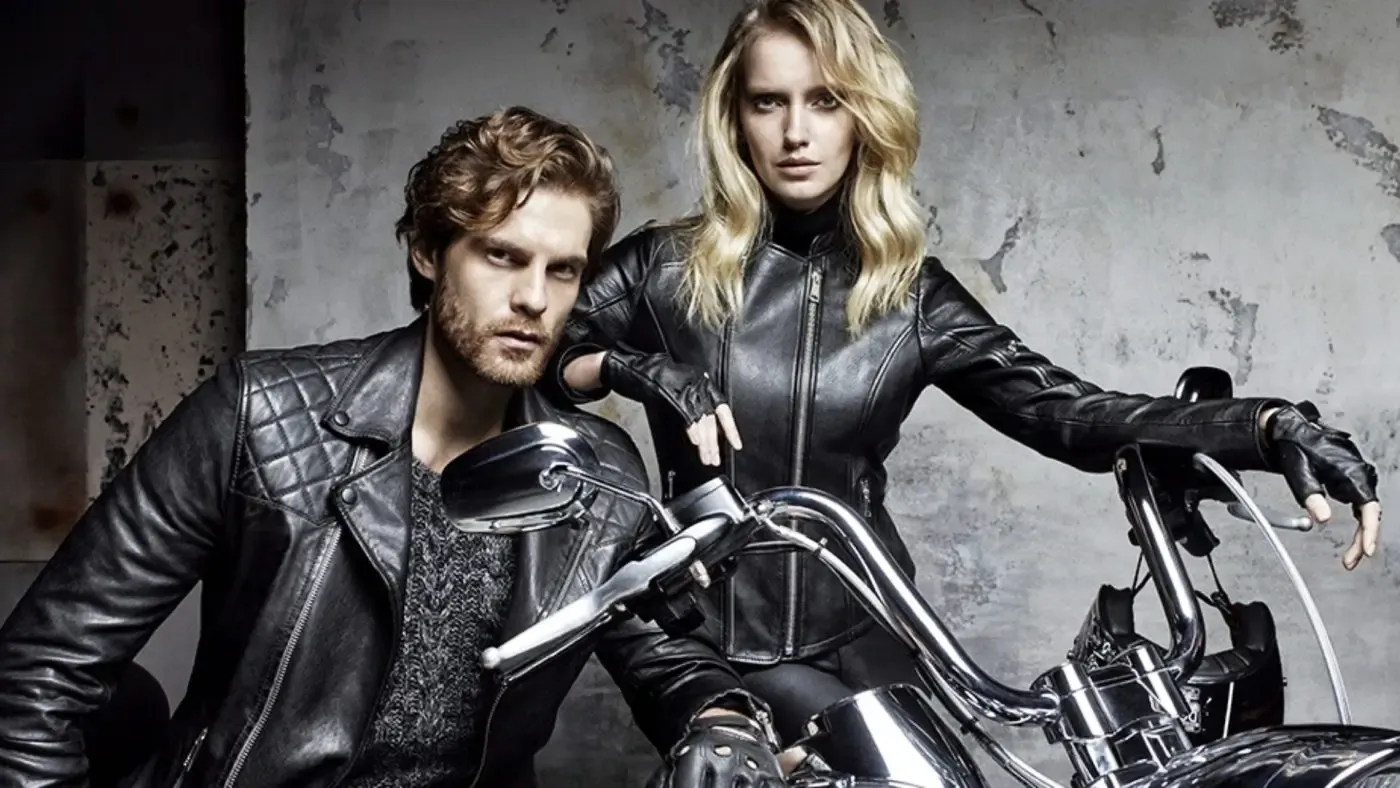
A men's leather motorcycle jacket can look rugged standing still, but the best jacket is the one that works on the bike. It should fit in a riding position, protect key areas, handle your weather, and feel comfortable enough to wear often. The same logic applies when choosing a slim fit women's leather motorcycle jacket, with extra attention to body shape, sleeve length, and shoulder mobility.
The right motorcycle jacket should balance protection, fit, comfort, material quality, and real riding needs. Choosing by looks alone misses the features that actually matter on the road.
How You Ride Matters The Most
Your riding style should guide your jacket choice before material or design. A rider who commutes daily through city traffic needs different features than someone who takes long highway tours on weekends. For example, daily commuting demands easy on-and-off convenience, while touring requires comfort during hours in the saddle and protection from changing weather.
Therefore, consider how often you ride, the typical distance, your speed, and the conditions you face. Cruiser riding on back roads differs from highway riding at speed. Weekend rides in summer need different jackets than year-round commuting through rain and cold. Match the jacket to your actual riding habits, not the riding you imagine doing.
Leather, Textile, or Mesh: Which Material Should You Choose?
Leather Motorcycle Jackets
Leather offers classic biker style, strong abrasion resistance, natural wind resistance, and long-term durability. Cowhide leather provides thick protection and structure, buffalo leather adds toughness, and goatskin leather offers lighter weight with flexibility. Leather jackets have a break-in period where the material molds to your body, and they develop character over time.
Textile Motorcycle Jackets
Textile jackets use synthetic fabrics that weigh less than leather and offer more weather options. Many include waterproof membranes, removable thermal liners, and practical features like multiple pockets and adjustable vents. Textiles work well for touring riders who need versatility across different climates and conditions.
Mesh Motorcycle Jackets
Mesh jackets maximize airflow for hot-weather riding. They use open-weave fabric with armor pockets and reinforced impact zones. Mesh is lightweight, breathable, and ideal for summer commuting, though it offers less protection than leather or solid textile in a slide.
Key Protection Features You Should Not Ignore
A motorcycle riding jacket should be built for more than appearance. A jacket's protection depends on the full build, not one feature alone. Fashion jackets and protective motorcycle jackets may look similar, but their construction differs significantly in areas that matter during a fall.
Key protection features to check:
- Abrasion-resistant materials in shoulders, elbows, and back
- Shoulder armor and elbow armor pockets, preferably with CE-rated armor included
- Back protector pocket for spine protection during impact
- Reinforced seams with double or triple stitching at high-stress areas
- Secure zipper closures with storm flaps and YKK zippers
- Wrist and waist adjustments that keep the jacket in place
- Reflective details for visibility in low light
- EN 17092 certification where available for tested garment protection
How Should a Motorcycle Jacket Fit?
A motorcycle jacket should feel snug without restricting movement or breathing. Sleeves must cover your wrists when your arms are extended forward in riding position, not just when standing straight. Shoulders should allow full arm reach without pulling tight across the back. The chest should provide room for breathing and movement, while the waist should stay in place without riding up excessively.
Check that armor sits over the correct areas: shoulder armor over shoulder joints, elbow armor over elbows, and a back protector centered on your spine. Leave enough room for a base layer, hoodie, or thermal shirt if you plan to ride in varying temperatures. Use a size chart with chest measurement, waist measurement, and sleeve length to find your starting size, then test the fit in a seated riding position with arms forward.
Men's Leather Motorcycle Jacket: What to Check
A mens leather motorcycle jacket should balance rugged style with riding comfort, movement, protection features, and long-term durability. Leather thickness and type affect both protection and break-in; thicker cowhide offers more abrasion resistance but takes longer to soften, while goatskin provides flexibility from the start.
Check shoulder and sleeve fit carefully. Sleeves that are too short expose your wrists and forearms. Chest and waist fit should allow natural breathing and movement without excess material bunching up. Look for secure zipper closures, armor pockets for shoulder, elbow, and back protection, and adequate back length that doesn't ride up when you lean forward. Cruiser riders often prefer classic black leather jackets with simple lines, while touring riders benefit from vents, multiple interior pockets, and adjustable features.
Women's Leather Motorcycle Jacket: What to Check
A womens leather motorcycle jacket should not feel like a smaller men's jacket. It should support real riding posture, movement, and comfort with shaping designed for women's bodies. Proper fit accounts for bust, waist, and hip proportions, plus narrower shoulders and different torso length compared to men's patterns.
Sleeve length matters; too long and the cuffs bunch at the wrists, and too short and your forearms stay exposed. Shoulder mobility should allow full arm reach without the jacket pulling across the back. Adjustable waist closures help dial in fit, while armor alignment ensures shoulder and elbow protection sits in the right position. Look for flexible leather that moves naturally, a comfortable collar height, and the choice between cropped or regular length depending on your preference and bike style.
How to Choose the Right Jacket for the Weather
Choosing the right jacket can feel confusing. Here are some factors to consider before making your purchase:
For Summer Riding
Perforated leather jackets use small holes punched through the material to improve airflow without sacrificing structure. Mesh panels, vent zippers, and lightweight lining help reduce heat buildup. Breathability matters during long summer rides when trapped heat causes fatigue and discomfort.
For Cold Weather
Thermal liners, quilted liners, and high collars add warmth for cold-weather riding. Wind resistance becomes more important as temperatures drop. Check for layering room under the jacket so you can add base layers without the jacket becoming too tight or restricting movement.
For Rain
Waterproof membranes in textile jackets keep you dry, while leather requires treatment and natural drying. Storm flaps over zippers prevent water from seeping through closures. Remember that soaked leather takes time to dry and should air dry naturally, never with direct heat.
What Are The Useful Features That Make Daily Riding Easier
Small features can decide whether a jacket becomes your everyday riding jacket or stays in the closet. Look for these practical details that riders notice after purchase:
Storage and convenience:
- Interior pockets protect phones, wallets, and documents from the elements
- Phone pockets with touch-compatible panels let you access your device without removing it
- Conceal carry pockets add security where legal and relevant
Climate and fit adjustments:
- Vent zippers allow quick airflow adjustments as temperatures change during a ride
- Adjustable waist closures improve fit and wind protection
- Wrist closures keep sleeves secure and prevent cold air from rushing in
- Snap collars stay flat or stand up as needed for neck protection
Multi-season versatility:
- Jacket-to-pants connection zippers prevent the jacket from riding up during movement
- Removable liners let one jacket work across multiple seasons
- Easy-care lining materials simplify maintenance and reduce odor buildup
These features may seem minor when browsing, but they make a real difference in daily comfort and convenience.
Common Mistakes to Avoid When Buying
Buying only for looks is the most common mistake. A jacket that photographs well but doesn't fit in the riding position becomes uncomfortable quickly. Choosing a fashion jacket instead of a riding jacket sacrifices safety features that matter during a fall. Ignoring riding posture when checking fit leads to sleeves that are too short or backs that ride up.
Other mistakes to avoid:
- Skipping armor compatibility when you plan to add protection later
- Buying too tight with no layering room for different seasons
- Ignoring weather needs for your actual climate
- Not checking size charts or return policies before purchasing
- Choosing style over protective construction and reinforced seams
The best jacket is not always the one that looks best on a hanger. It's the one that works while riding.
Final Buyer's Checklist
Before buying any motorcycle jacket, check these factors:
- Riding style and typical use
- Weather and climate conditions
- Material choice: leather, textile, or mesh
- Armor pockets and CE-rated armor availability
- Abrasion-resistant construction with reinforced seams
- Sleeve length that covers wrists in riding position
- Shoulder mobility and arm reach
- Chest and waist fit with adjustment options
- Secure closures with quality zippers
- Ventilation or perforation for airflow
- Liner type and removability
- Interior pocket layout
- Care and maintenance requirements
Final Thoughts
The right motorcycle jacket should match your body, your bike, your weather, and your riding habits. A men's leather motorcycle jacket should offer comfort, strong construction, and riding-focused details like proper sleeve length, armor pockets, and secure closures. A women's leather motorcycle jacket should provide the same protection logic with fit shaped for real movement and control on the bike. Choose based on how you actually ride, not just how you want to look, and you'll find a jacket that works every time you swing a leg over the bike.
























Sign in to leave a comment.