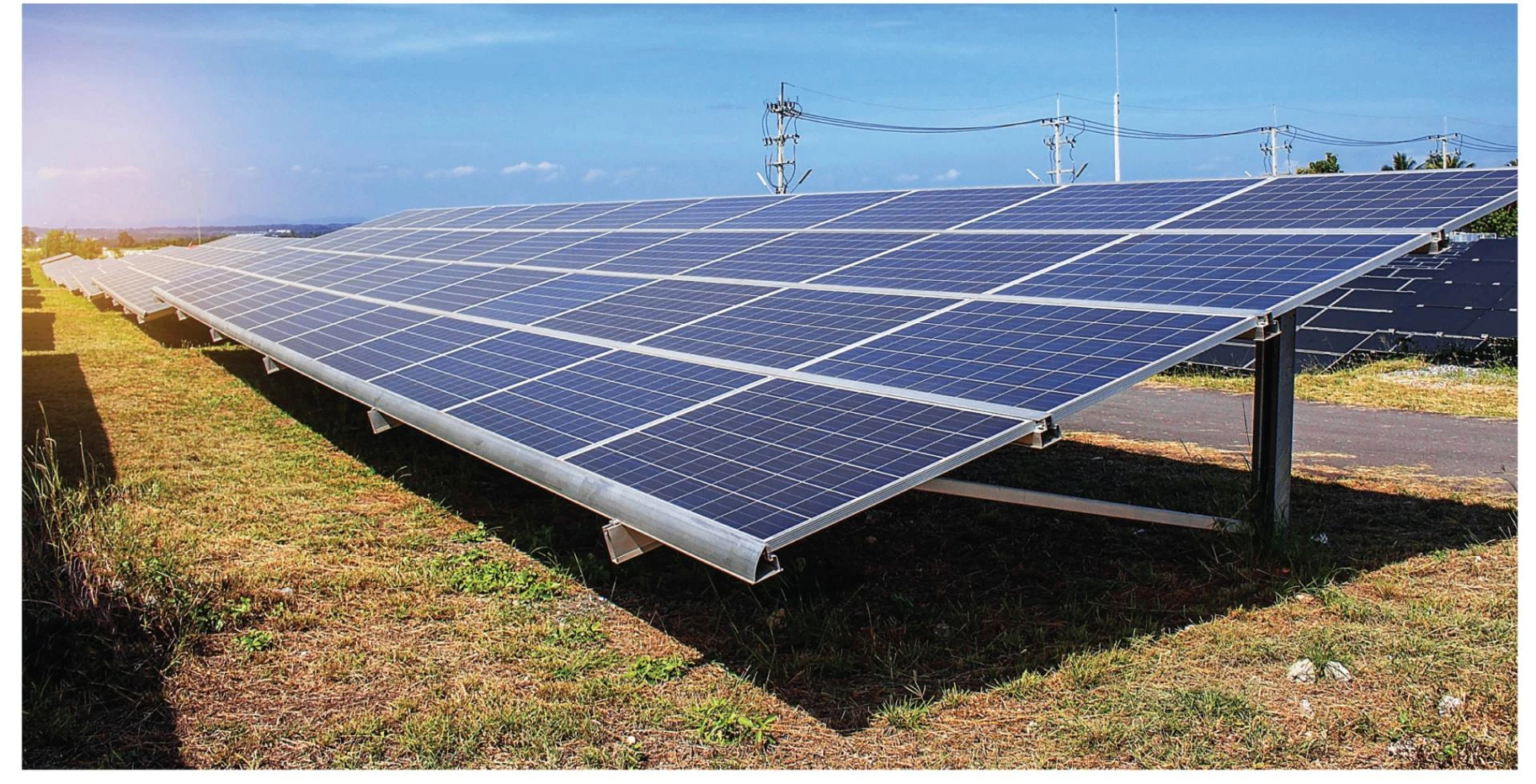
Switching to solar energy is a smart decision, but with so many options available today, choosing the right solar panel can feel overwhelming. Different types of solar panels offer different benefits, and the best one for you depends on your energy needs, roof size, budget, and aesthetic preferences. In this article, we’ll help you understand how to choose the right option by comparing the most common Types of Solar Panels in a simple and easy-to-understand way.
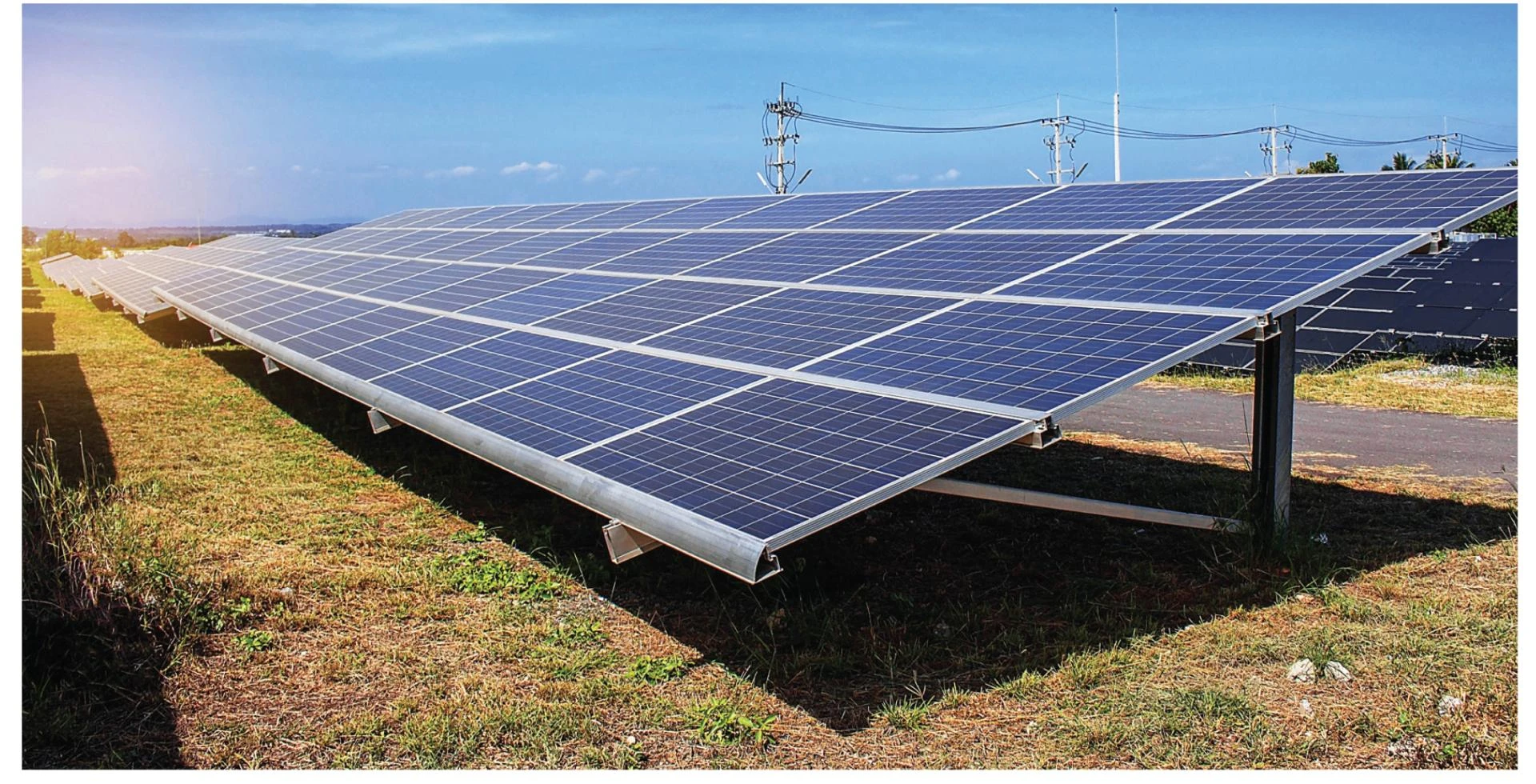
Step 1: Understand the Main Types of Solar Panels
Before making a decision, it’s important to know what types are out there. Here are the most popular Types of Solar Panels available today:
1. Monocrystalline Solar Panels
These are made from a single piece of pure silicon and are known for high efficiency and a sleek black look. They’re ideal for homes with limited roof space because they produce more electricity from a smaller area.
2. Polycrystalline Solar Panels
These panels are made from multiple silicon fragments melted together. They’re slightly less efficient but also more affordable. A great option if you have a lot of roof space and want to save on upfront costs.
3. Thin-Film Solar Panels
Thin-film panels are lightweight and flexible. They can be installed on curved or flat surfaces, but they typically produce less energy per square foot. They’re commonly used in commercial settings but are becoming more popular in homes too.
4. Bifacial Solar Panels
These panels capture sunlight on both the front and back, increasing overall power generation. They work well in open spaces with reflective surfaces like concrete or white gravel.
5. Building-Integrated Photovoltaics (BIPV)
These are solar products built into the structure of your home—like solar shingles or solar windows. They’re a stylish and modern choice but tend to be more expensive.
Step 2: Consider Your Roof Space and Sunlight Exposure
How much space do you have on your roof? And how much sunlight does it get?
- If your roof is small or shaded, monocrystalline panels are a better choice due to their high efficiency.
- If your roof is large and gets good sun, polycrystalline panels can save you money while still delivering solid performance.
- For unusual roof shapes or lightweight installations, thin-film panels may work best.
Step 3: Think About Your Budget
Your budget will play a major role in your decision.
- Monocrystalline panels cost more but save more energy over time.
- Polycrystalline panels are budget-friendly and still reliable.
- Thin-film panels are inexpensive but less efficient.
- BIPV panels and bifacial panels may have higher upfront costs but add long-term value, especially in modern homes.
Step 4: Decide If Appearance Matters to You
Some homeowners care a lot about how their solar panels look. If you want your system to blend in with your roof:
- Choose monocrystalline panels for a sleek, modern appearance.
- Go for BIPV options if you want solar power built right into your home’s design.
- Avoid polycrystalline panels if you don’t like the blue tint.
Step 5: Think About the Future
Do you plan to stay in your home for a long time? If yes, then:
- Invest in high-efficiency panels like monocrystalline or bifacial, which can pay for themselves over time.
- Consider newer technologies like BIPV if you're building or remodeling.
- Choose panels with longer warranties—most quality panels come with 25-year guarantees.
Step 6: Don’t Forget Maintenance and Warranty
No matter which type of panel you choose, regular cleaning and occasional inspection help keep your system working well. Look for panels that offer strong warranty coverage.
- Monocrystalline and polycrystalline panels often come with 25+ year performance warranties.
- Thin-film and BIPV panels may have shorter warranties, so it’s good to ask your installer for details.
Summary
Choosing among the various Types of Solar Panels doesn’t have to be confusing. Here's a quick recap to help you decide:
- For best performance in small spaces: Monocrystalline
- For affordability and reliability: Polycrystalline
- For lightweight, large rooftops: Thin-Film
- For high output and innovation: Bifacial
- For style and modern homes: BIPV
Every home is different, and so is every solar setup. Think about your space, budget, and long-term goals. And always consult with a professional installer who can assess your home and recommend the best option.
With the right panel, you can enjoy lower electricity bills, increase your home’s value, and contribute to a greener planet. And with so many Types of Solar Panels available in 2025, there’s a perfect fit for everyone.


























Sign in to leave a comment.