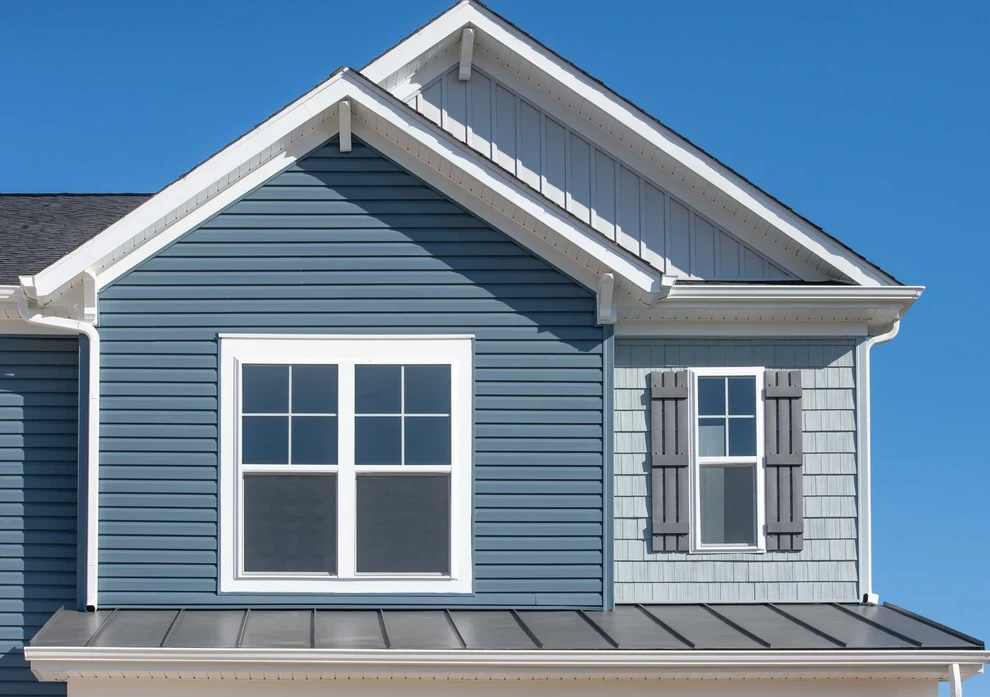

Your home’s siding is more than just an aesthetic feature—it plays a crucial role in protecting your property from weather, enhancing energy efficiency, and increasing curb appeal. With a variety of materials, styles, and finishes available, choosing the right siding can feel overwhelming. Selecting the wrong type can lead to costly repairs, frequent maintenance, and even decreased property value. This guide will help you navigate the siding options available and make an informed decision for your home.
1. Understand the Purpose of Siding
Siding acts as the first line of defense against external elements such as rain, wind, snow, and UV rays. Beyond protection, it also provides:
- Insulation: Helps maintain indoor temperature and improve energy efficiency.
- Aesthetic Appeal: Enhances the visual appearance and value of your home.
- Durability: Shields your home’s structure from moisture, pests, and wear over time.
Choosing siding that balances protection, longevity, and aesthetics is key to a successful home upgrade.
2. Explore Different Types of Siding Materials
Different siding materials offer unique benefits, costs, and maintenance requirements:
Vinyl Siding
- Pros: Affordable, low maintenance, available in various colors and textures, resistant to rot and insects.
- Cons: Can crack in extreme weather, may fade over time.
- Best For: Homeowners looking for a cost-effective, durable option with minimal upkeep.
Wood Siding
- Pros: Natural, timeless appearance, customizable with stains and paints, environmentally friendly.
- Cons: Requires regular maintenance, susceptible to rot, insects, and weather damage.
- Best For: Traditional or rustic-style homes, homeowners willing to invest in maintenance.
Fiber Cement Siding
- Pros: Extremely durable, fire-resistant, low maintenance, available in various styles including wood-look finishes.
- Cons: Heavier and more expensive than vinyl; professional installation recommended.
- Best For: Homeowners seeking long-lasting, low-maintenance siding with a premium look.
Metal Siding
- Pros: Highly durable, resistant to fire, rot, and insects, recyclable, modern aesthetic.
- Cons: Can dent easily, may be noisy during rain or hail, higher upfront cost.
- Best For: Modern homes, commercial properties, or homes in extreme weather areas.
Stone or Brick Veneer
- Pros: High-end appearance, extremely durable, minimal maintenance, adds resale value.
- Cons: Expensive, heavier installation, requires strong structural support.
- Best For: Luxury homes or accent walls to enhance curb appeal.
3. Consider Your Local Climate
The climate in your area greatly impacts siding performance and durability:
- Wet or Humid Areas: Vinyl, fiber cement, or metal siding resist moisture and rot better than wood.
- Hot or Sunny Regions: Lighter-colored vinyl or metal can reflect heat, reducing energy costs.
- Cold or Snowy Climates: Fiber cement or insulated vinyl provides additional protection against freezing and moisture infiltration.
- Windy or Storm-Prone Areas: Durable options like metal or impact-resistant fiber cement can withstand severe weather.
4. Factor in Maintenance Requirements
Maintenance needs vary by siding type:
- Low Maintenance: Vinyl, fiber cement, metal, stone, and brick.
- Moderate to High Maintenance: Wood siding requires regular staining, painting, and sealing.
Choosing a siding type that matches your willingness and ability to perform upkeep ensures long-lasting beauty and protection.
5. Evaluate Durability and Lifespan
A siding investment should last decades if chosen wisely:
Material Average Lifespan Vinyl Siding20–40 years Wood Siding15–30 years Fiber Cement30–50 years Metal Siding 40–70 years Stone/Brick50–100 years
Longer-lasting materials may cost more upfront but save money over time in repairs and replacements.
6. Match Siding to Your Home’s Style
Your siding should complement your home’s architecture and enhance curb appeal:
- Traditional Homes: Wood or vinyl with classic textures and colors.
- Modern Homes: Metal panels or fiber cement with sleek finishes.
- Luxury Homes: Stone, brick, or premium fiber cement accents.
A cohesive look increases property value and gives your home a polished, attractive appearance.
7. Budget Considerations
Budget affects your siding choice:
- Affordable Options: Vinyl siding or basic fiber cement.
- Mid-Range Options: Premium vinyl, fiber cement, or wood siding.
- High-End Options: Metal, stone, or brick veneers.
Include installation, maintenance, and potential long-term costs when planning your budget.
8. Choose a Reliable Contractor
Even the best siding materials require proper installation to ensure performance:
- Hire licensed and insured contractors.
- Ask for references and examples of previous work.
- Ensure the contractor offers warranties on materials and labor.
- Compare multiple quotes before making a final decision.
Proper installation ensures your siding performs as intended, lasts longer, and enhances your home’s protection and value.
Conclusion
Choosing the right siding for your home involves balancing material durability, climate suitability, maintenance, budget, and aesthetics. By understanding your options and considering your home’s unique requirements, you can select siding that not only protects your home but also enhances its appearance and value for years to come.
Investing in the right siding Calgary is more than a home improvement—it’s a long-term decision that safeguards your property, boosts curb appeal, and improves energy efficiency. With careful planning and expert guidance, you can find the perfect siding to elevate your home.


























Sign in to leave a comment.