

Finding the right wholesale supplier is one of the most important decisions any business owner will make. Whether you're launching a new brand or scaling an existing one, your supplier directly affects your product quality, pricing, delivery times, and ultimately, your customer satisfaction. Choosing a wholesale supplier isn't just about finding the lowest price — it's about building a dependable, long-term partnership that supports your business growth. In this guide, we'll walk through everything you need to know about supplier selection, from what to look for to the red flags you should avoid.
Why Choosing the Right Wholesale Supplier Matters

The supplier you choose becomes an extension of your business. A dependable wholesale distributor ensures consistent product quality, on-time deliveries, and fair pricing — all of which directly impact your bottom line. On the other hand, partnering with an unreliable wholesale vendor can lead to stock shortages, damaged goods, missed deadlines, and frustrated customers.
Beyond logistics, your supplier relationship also affects your ability to negotiate better terms as your order volume grows. A strong partnership built on trust and communication often results in priority service, flexible payment terms, and early access to new products. This is why supplier selection should never be rushed — it's a foundational business decision with long-term consequences.
What Should You Look for in a Wholesale Supplier?
Not all suppliers are created equal. Before signing any agreement, evaluate potential partners across several key dimensions to ensure they align with your business needs.
Product Quality and Certifications
Quality should always come first. Ask potential suppliers about their product quality control processes — do they conduct in-house inspections, or rely on third-party testing? Reputable suppliers should be able to provide supplier certifications such as ISO standards, safety compliance documents, or industry-specific approvals. Requesting product samples before committing to a bulk order is one of the most effective ways to verify quality firsthand.
Pricing and Payment Terms
Wholesale pricing varies significantly between suppliers, and the cheapest option isn't always the best value. Compare pricing structures across multiple vendors, factoring in shipping costs, taxes, and any hidden fees. Equally important are supplier payment terms — does the supplier require full payment upfront, or do they offer net-30 or net-60 terms? Flexible payment options can significantly improve your cash flow, especially for growing businesses.
Minimum Order Quantity (MOQ) Requirements
Every wholesale supplier sets a minimum order quantity (MOQ), which is the smallest amount you can order at one time. For small businesses just starting out, a lower MOQ reduces financial risk and storage burden. Understanding MOQ requirements upfront is a critical part of product sourcing, as it directly affects your initial investment and inventory planning.
How to Find a Reliable Wholesale Supplier Online?
With thousands of suppliers competing for your business, knowing where to look — and what to look for — makes all the difference.
Start by browsing a trusted wholesale supplier directory, such as industry-specific marketplaces or B2B platforms that vet their listed vendors. When learning how to find wholesale suppliers online, prioritize platforms that display verified business credentials, customer reviews, and transaction history. A verified wholesale supplier will typically have transparent business registration details, a physical business address, and consistent positive feedback from other buyers.
It's also worth checking business licensing requirements in your supplier's operating region to confirm they're legally authorized to trade. Cross-referencing this information with government trade registries adds an extra layer of confidence before you commit.
Key Questions to Ask a Wholesale Supplier Before Buying
Before finalizing any agreement, it's essential to ask the right questions to ask a wholesale supplier. This conversation reveals a lot about how the supplier operates and whether they'll be a good long-term fit.
- What are your shipping and lead times for standard and custom orders?
- Do you offer samples before bulk purchasing?
- What is your return and refund policy for defective goods?
- How do you handle supplier communication during delays or issues?
- Can you provide references from other businesses you currently supply?
A supplier who answers these questions clearly and promptly demonstrates professionalism and reliability — two qualities that matter just as much as pricing.
How to Vet a Wholesale Supplier for Trustworthiness?
Vetting is arguably the most important step in the entire sourcing process. Skipping it can expose your business to significant financial and reputational risk.
Signs of a Trustworthy Wholesale Supplier
There are several signs of a trustworthy wholesale supplier worth watching for. These include a verifiable business address, professional communication, willingness to provide samples, transparent pricing with no hidden costs, and positive reviews from multiple independent sources. Trustworthy suppliers are also upfront about their production capacity and realistic about delivery timelines.
Wholesale Supplier Red Flags to Avoid
Learning how to avoid scam wholesale suppliers starts with recognizing common wholesale supplier red flags. Be cautious of suppliers who demand full payment upfront with no contract, refuse to provide samples, have no verifiable online presence, or pressure you into rushed decisions. Unusually low prices compared to market averages can also signal counterfeit or substandard products.
Manufacturer vs. Distributor: Understanding the Difference
Many businesses confuse these two types of suppliers, but understanding the difference between wholesaler and distributor helps you source more efficiently. A manufacturer produces goods directly, often at lower prices but with higher MOQs. A distributor, by contrast, purchases from manufacturers and resells in smaller quantities, offering more flexibility but slightly higher per-unit costs. Knowing this manufacturer vs distributor distinction helps determine which option best suits your order volume and budget. For businesses sourcing internationally, working with an import/export supplier can also simplify customs and logistics.
Tips for Finding the Best Wholesale Supplier for Small Businesses
When searching for the best wholesale suppliers for small businesses, prioritize vendors who offer low MOQs, flexible payment terms, and responsive customer service. These tips for finding a reliable wholesale supplier apply across nearly every industry, including packaging and product presentation.
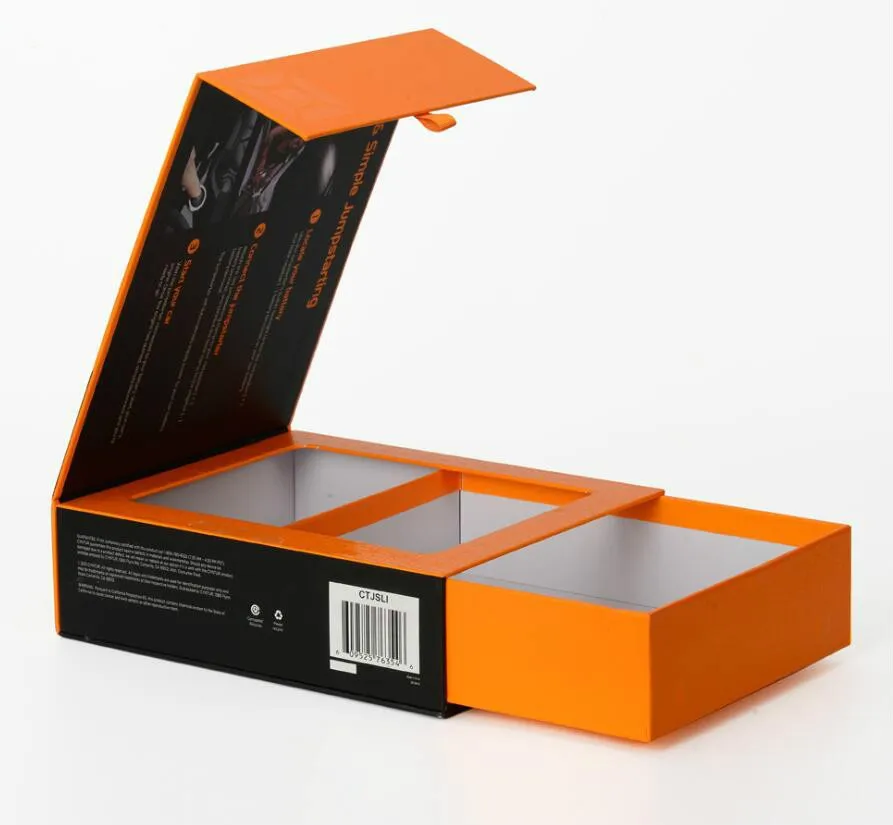
For example, businesses in the retail and e-commerce space often need specialized packaging solutions, such as sourcing tuck boxes wholesale for their products. In these cases, buyers typically compare multiple packaging vendors — brands like Expert Custom Boxes often work with businesses seeking dependable tuck boxes wholesale options — to find the right balance of quality, pricing, and turnaround time. The same due diligence used for general product sourcing applies here: check samples, compare pricing, and confirm production timelines before committing.
How to Negotiate with Wholesale Suppliers?
Once you've narrowed down your options, negotiation becomes key to securing the best deal. Learning how to negotiate with wholesale suppliers starts with understanding your leverage — larger order volumes typically unlock better discounts through bulk purchasing. Building a genuine vendor relationship based on consistent orders and clear communication often leads to better terms over time, including reduced MOQs, faster shipping, or extended payment windows. Don't be afraid to ask for better terms, but always remain professional and realistic in your requests.
Wholesale Supplier Checklist Before You Commit
Before finalizing your decision, run through this wholesale supplier checklist:
- Verified business credentials and supplier certifications
- Clear supplier evaluation criteria, including pricing, MOQ, and quality standards
- Confirmed shipping and lead times
- Transparent supplier payment terms
- Positive reputation as a trusted wholesale distributor
- Sample availability for quality testing
- Responsive and professional supplier communication
Completing this checklist ensures you've covered every critical factor before signing a contract.
Final Thoughts on Choosing the Right Wholesale Supplier
Selecting a reliable wholesale supplier takes time, research, and careful evaluation — but the payoff is a stronger, more resilient supply chain. By comparing options through a thorough wholesale supplier comparison, asking the right questions, and watching for red flags, you can build a partnership that supports sustainable business growth for years to come.
Frequently Asked Questions
What is the difference between a wholesale supplier and a distributor?
A wholesale supplier typically sells products in bulk directly to retailers or businesses, while a distributor acts as an intermediary between manufacturers and wholesalers, often handling logistics and regional distribution. Both play distinct roles in the supply chain, and understanding this distinction helps businesses choose the right sourcing partner for their specific needs.
How do I know if a wholesale supplier is legitimate?
You can verify legitimacy by checking business registration details, requesting references, reviewing customer feedback, and confirming their compliance with local business licensing requirements. Legitimate suppliers are usually transparent about their operations and willing to provide documentation upon request.
What is a good minimum order quantity for a small business?
There's no universal number, as MOQ requirements vary by industry and product type. However, small businesses generally benefit from suppliers offering lower MOQs, as this reduces upfront investment and storage costs while allowing more flexibility to test products before committing to larger orders.
How can I negotiate better pricing with a wholesale supplier?
Negotiating better pricing often starts with committing to larger order volumes or establishing a long-term purchasing agreement. Building trust through consistent orders and clear communication can also lead suppliers to offer loyalty discounts, extended payment terms, or priority production scheduling.





















Sign in to leave a comment.