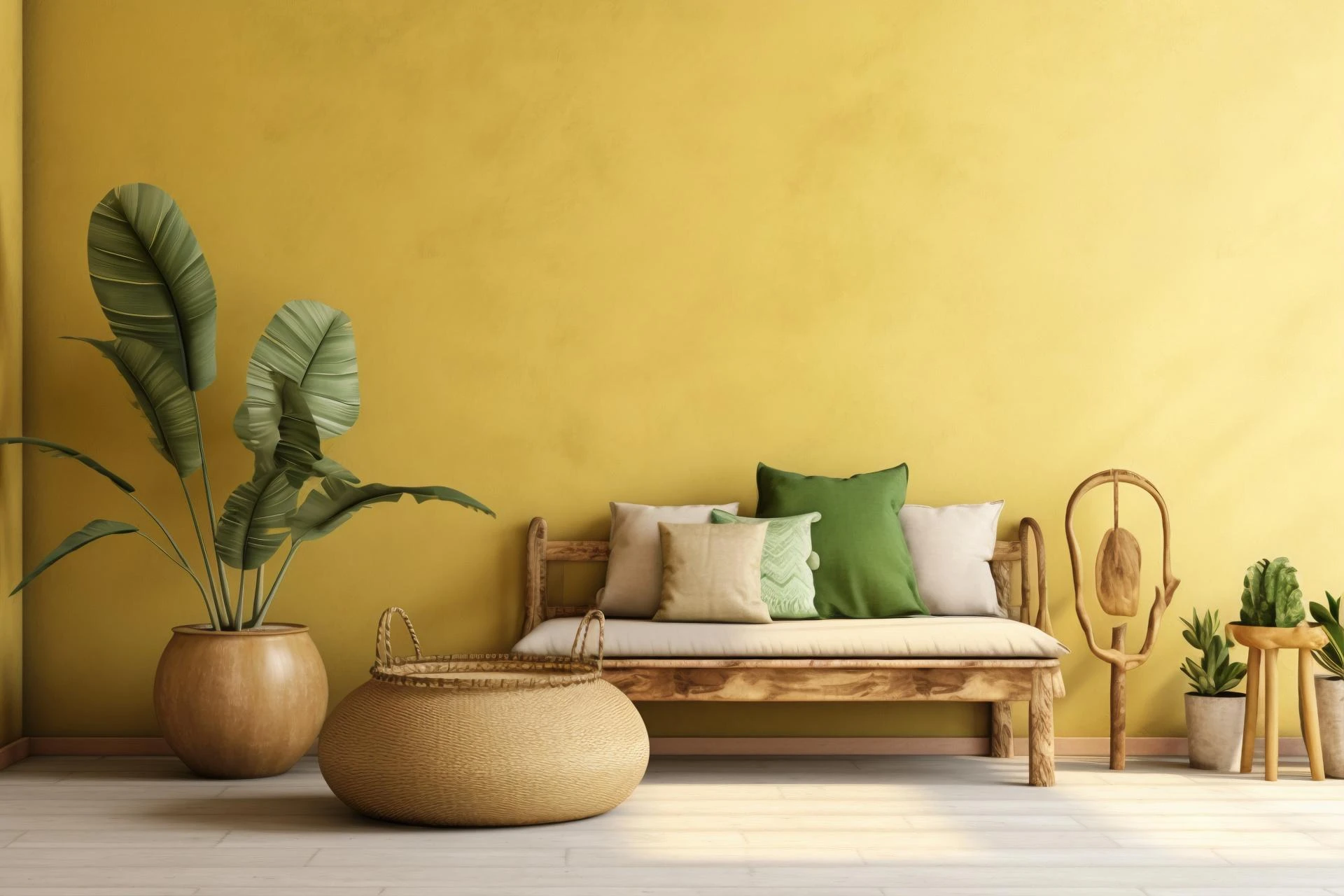
Here’s a complete, easy-to-follow guide to help you pick the ideal paints for your home.
Understand Different Types of Wall Paints
Your first step should be to familiarize yourself with the main interior paint types. Water-based emulsion paints are widely recommended for most indoor walls because they dry quickly, have low odor, and clean up easily with soap and water.
- Emulsion paints: These are ideal for general wall surfaces. They offer good color retention and are typically low-VOC, making them safer for indoor air quality.
- Washable interior paint: If your walls get a lot of daily contact (kids’ rooms, hallways, kitchens), look for washable or scrubbable formulas that resist stains and grime without fading.
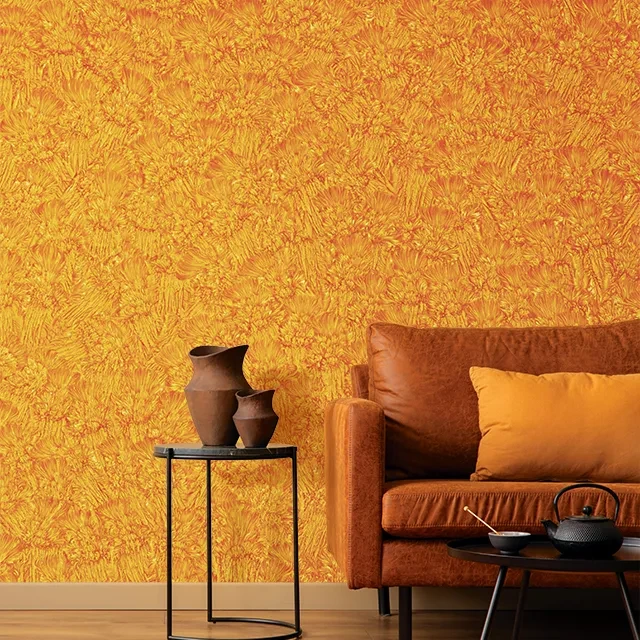
- Special finishes: Glossy and semi-gloss paints are great for areas that need frequent cleaning, while matte and eggshell finishes offer a softer look and hide wall imperfections.
Choosing the right type based on your room’s usage ensures that you won’t have to repaint too soon.
Focus on Durability and Washability
Durability is one of the most important factors when selecting interior paints for homes. High-traffic areas such as hallways, staircases, and children’s rooms, need paint that can handle regular cleaning without fading or peeling.
Washable paints allow you to remove stains using a damp cloth without damaging the surface. This keeps walls looking fresh for years and reduces the need for frequent repainting. Investing in durable paint now saves time and money later.
Choose the Right Finish
The finish you choose greatly impacts both appearance and practicality:
- Matte finish: Great for bedrooms and ceilings because it hides surface flaws but isn’t highly washable.
- Eggshell: A soft sheen that balances aesthetics with ease of cleaning—ideal for living spaces.
- Satin/Semi-Gloss: Easier to clean and slightly reflective, making them suitable for kitchens, bathrooms, and kids’ rooms.
Understanding how finishes work helps you choose one that not only enhances your wall color but also meets your lifestyle needs.
Color and Lighting Matter
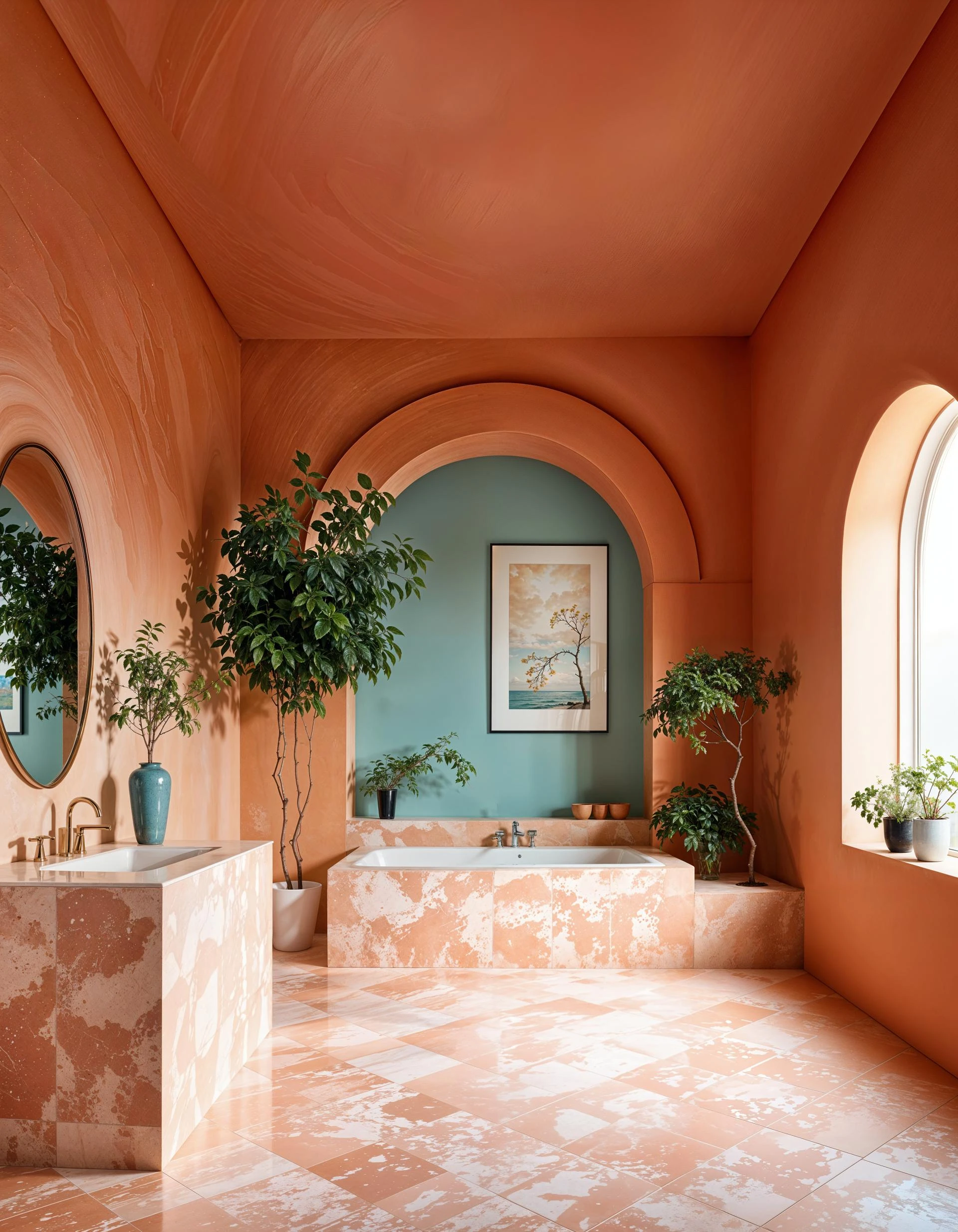
Color choice isn’t just about personal preference—it also affects the mood and perception of space in your home. Lighter shades make rooms feel bigger and airier, while darker tones add warmth and character. Before buying large quantities, test small paint samples on your walls and observe them under different lighting conditions throughout the day.
Prepare the Surface Properly
Good paint cannot hide poor surface preparation. Clean walls, remove flaking paint, seal cracks, and apply primer where necessary. A primer improves adhesion, ensures uniform color, and can even reduce paint usage. Skipping this step can lead to uneven coverage and reduce durability.
Know Local Options for Your Home
If you’re in Kenya, you’ll find a variety of indoor wall paints tailored to local preferences and conditions—from satin and velvet finishes to eco-friendly, low-odor formulas. These products often offer excellent scrub resistance and antibacterial properties, helping your home stay healthier and more vibrant.
Budget and Coverage Planning
Estimate how much paint you need by measuring your walls and calculating coverage—most interior paints cover about 10–12 m² per liter per coat. Always buy a little extra for touch-ups later. More premium paint brands may cost more upfront but often give better coverage and last longer, reducing your need to repaint soon.
Conclusion
When you choose paint brands in Kenya that match your needs for durability, washability, finish, and color, your interior paints for homes will not only look great but also stand the test of daily life. With careful planning and thoughtful selection, you can enjoy walls that enhance your home’s beauty and comfort for years to come.




























Sign in to leave a comment.