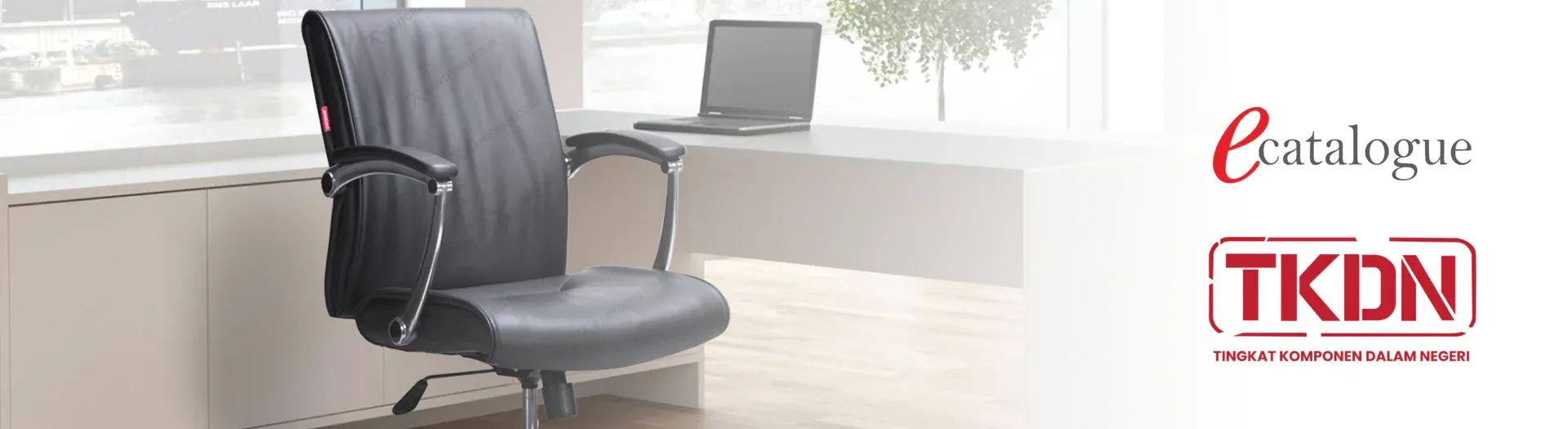

Choosing the right office chair might seem like a small decision, but it has a far-reaching impact on employee health, productivity, and overall workplace satisfaction. Employees spend an average of six to eight hours a day seated at their desks, and the quality of their seating directly affects posture, energy levels, and long-term wellbeing. Whether you're furnishing a startup, a corporate headquarters, or a government office, selecting the right chairs requires more than picking the most visually appealing option. Here's a practical guide to help you make the best choice for your workplace.
1. Prioritize Ergonomics First
Ergonomics should be the foundation of every purchasing decision. A well-designed ergonomic chair supports the natural curve of the spine, reduces strain on the neck and shoulders, and minimizes the risk of musculoskeletal disorders. Look for chairs with:
- Adjustable seat height and depth
- Lumbar support that can be customized
- Breathable seat cushioning
- Adjustable armrests
- A recline mechanism with tension control
These features allow employees of different body types to configure their chairs for maximum comfort, which reduces fatigue and helps maintain focus throughout the workday.
2. Consider the Nature of the Work
Not every role requires the same type of chair. A graphic designer who sits for extended, uninterrupted hours needs a chair with excellent lumbar support and cushioning. A receptionist who moves frequently may benefit more from a lighter, mobile chair. Meeting rooms often call for office chairs that balance comfort with a more formal, compact design, while executive offices may prioritize a more premium look alongside ergonomic functionality. Matching the chair type to the role ensures both comfort and cost-efficiency.
3. Material Matters: Mesh vs. Leather
The material of a chair affects comfort, durability, and maintenance.
- Mesh chairs are breathable and ideal for warmer climates or offices without strong air conditioning. They tend to be lighter and more affordable.
- Leather or leatherette chairs offer a more polished, executive appearance and are easier to wipe clean, but can feel warmer during long hours of use.
For most general office environments, high-quality mesh chairs strike the best balance between comfort and practicality, while leather chairs are often reserved for executive or client-facing spaces.
4. Check Adjustability and Range of Motion
A chair that cannot be adjusted to fit the individual user is only marginally better than a fixed bench. When evaluating chairs, test the range of the following:
- Seat height adjustment range
- Backrest recline and locking positions
- Armrest height and width adjustment
- Swivel and mobility on different flooring types
The more adjustable a chair is, the more employees across different heights and body types can use it comfortably, reducing the need for multiple chair models across departments.
5. Assess Build Quality and Durability
Office chairs are a long-term investment, and low-quality seating often ends up costing more in the long run due to frequent replacements. When assessing durability, look at:
- The quality of the base and casters (five-point base is standard for stability)
- Gas lift cylinder quality for smooth height adjustment
- Stitching and upholstery quality
- Weight capacity ratings
Reputable suppliers typically conduct quality control testing before shipment, which is worth confirming before making a bulk purchase.
6. Factor in Budget Without Compromising Health
While cost is always a consideration, especially for bulk procurement, it should never come at the expense of employee health. Cheaper chairs often lack proper lumbar support and durable materials, leading to discomfort, higher absenteeism, and eventual replacement costs. A better approach is to find a balance — mid-range ergonomic chairs from a reliable supplier often provide the best return on investment over their lifespan.
7. Think About Aesthetics and Brand Identity
Office chairs are also a visible part of your company's environment and can reflect your brand identity. Sleek, modern chairs suit tech startups and creative agencies, while more structured, formal seating fits traditional corporate or government settings. Coordinating chair colors and designs with your overall office interior creates a cohesive, professional atmosphere for both employees and visiting clients.
8. Plan for Procurement and After-Sales Support
For larger organizations and government agencies, procurement isn't just about the product — it's about the process. Working with a supplier who offers transparent documentation, a smooth ordering process (including e-Catalog procurement where applicable), reliable delivery, and after-sales support such as installation and warranty service can significantly simplify large-scale furniture projects.
Final Thoughts
Choosing the right office chair is an investment in your employees' health, comfort, and productivity. By prioritizing ergonomics, matching chairs to job roles, evaluating materials and durability, and working with a trusted supplier, businesses and government agencies alike can create workspaces that support long-term wellbeing and performance.
If you're planning an office renovation or a bulk furniture procurement project, working with an experienced partner who understands both ergonomic design and procurement processes — such as e-Catalog compliance for government agencies — can make the entire journey smoother and more transparent from consultation to installation.






























Sign in to leave a comment.