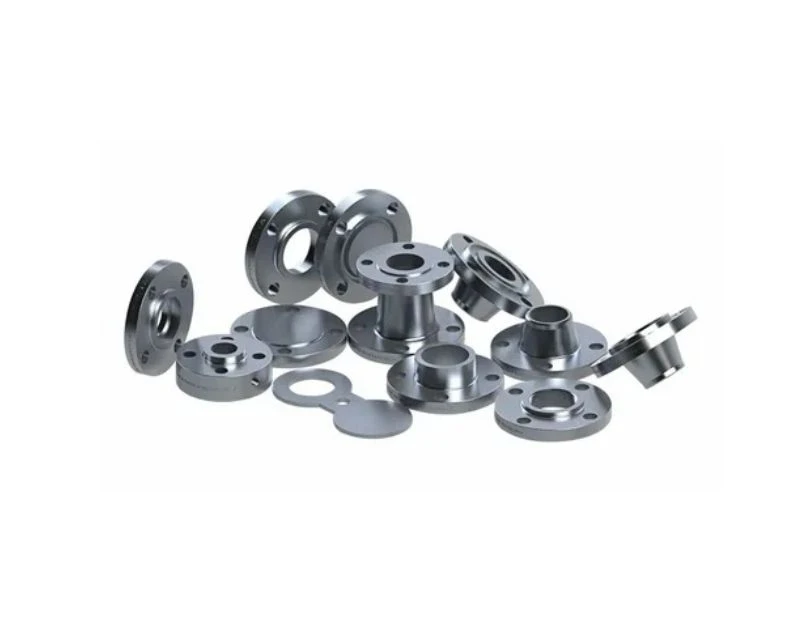
Alloy steel flanges play a critical role in piping systems used across industries such as oil & gas, power generation, petrochemicals, refineries, and heavy engineering. Selecting the right alloy steel flange is essential to ensure the safety, durability, and long-term performance of your project. With multiple grades, pressure ratings, and service conditions to consider, understanding the selection process can help you make an informed decision.
Understanding Alloy Steel Flanges
Alloy steel flanges are manufactured by adding alloying elements such as chromium, molybdenum, and vanadium to carbon steel. These elements enhance mechanical strength, corrosion resistance, and performance under high-temperature and high-pressure conditions. As a result, alloy steel flanges are preferred in demanding environments where standard carbon steel flanges may not perform adequately.
Reliable Alloy Steel Flanges manufacturers produce these flanges in compliance with international standards such as ASTM, ASME, and ANSI, ensuring consistency and quality.
Key Factors to Consider When Choosing Alloy Steel Flanges
1. Operating Temperature and Pressure
The first step is to evaluate the operating conditions of your piping system. High-pressure and high-temperature applications require flanges with superior creep resistance and tensile strength. Grades like F91, F92, and F911 are commonly used in power plants and thermal systems for this reason.
2. Corrosion and Oxidation Resistance
If your project involves exposure to corrosive fluids, chemicals, or extreme environments, corrosion resistance becomes a priority. Alloy steel grades with higher chromium and molybdenum content offer better protection against oxidation and chemical attack, increasing service life and reducing maintenance costs.
3. Compatibility with Piping Material
The flange material should be compatible with the pipe material to avoid galvanic corrosion and ensure uniform mechanical behaviour under stress. Matching alloy steel pipes with corresponding alloy steel flanges is always recommended.
4. Applicable Standards and Certifications
Ensure the selected flanges conform to required industry standards. Reputable Alloy Steel Flanges suppliers provide test certificates, material traceability, and compliance documentation, which are essential for critical applications.
Common Grades of Alloy Steel Flanges
Understanding available grades helps in selecting the right flange for specific operating conditions:
- Alloy Steel F5 Flanges
Known for good resistance to high temperatures and moderate pressure, F5 flanges are widely used in refineries and chemical plants.
- Alloy Steel F9 Flanges
These flanges offer improved mechanical strength and oxidation resistance, suitable for elevated temperature services.
- Alloy Steel F91 Flanges
F91 flanges are popular in power generation and boiler applications due to their excellent creep strength and thermal stability.
- Alloy Steel F911 Flanges
Designed for ultra-high temperature and pressure environments, F911 flanges provide exceptional durability and performance.
- Alloy Steel F92 Flanges
F92 flanges are advanced alloy steel grades offering superior strength and resistance, often used in advanced power plant systems.
Importance of Choosing the Right Manufacturer and Exporter
Partnering with a reliable Alloy Steel Flanges manufacturer ensures that you receive precision-engineered products that meet strict quality standards. Established Alloy Steel Flanges Exporter companies also offer global supply capabilities, timely delivery, and technical support, making them ideal partners for international projects.
Final Thoughts
Choosing the right alloy steel flange is not just about selecting a grade it involves understanding your project’s operating conditions, compliance requirements, and long-term performance expectations. By evaluating temperature, pressure, corrosion resistance, and material compatibility, you can select flanges that enhance system efficiency and safety.
Working with experienced Alloy Steel Flanges suppliers ensures access to certified products, expert guidance, and consistent quality, helping your project achieve reliable and long-lasting results.






















Sign in to leave a comment.