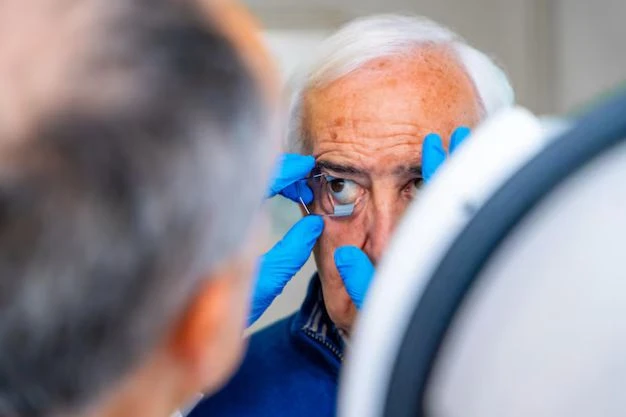

Diabetic macular edema (DME) is one of the most common and vision-threatening complications of diabetic retinopathy. When fluid builds up in the macula—the part of the retina responsible for sharp central vision—it can lead to blurriness, distortion, and even permanent vision loss if left untreated. Because this condition progresses silently and can worsen quickly, finding the right diabetic macular edema specialist is essential for protecting your sight.
But how do you choose the best specialist? What factors should you look for? And how can you determine whether a doctor has the right expertise to manage your condition effectively?
This complete guide answers all your questions and walks you through the steps to selecting a trusted retinal care expert.
Understanding the Importance of Choosing the Right Specialist
DME requires highly specialized care. While a general ophthalmologist can diagnose diabetic eye diseases, treating DME often involves advanced procedures such as:
- Anti-VEGF injections
- Steroid implant therapy
- Laser photocoagulation
- Combination treatments
- Ongoing retinal imaging and monitoring
These treatments must be administered by a trained retinal specialist with deep experience in diabetic eye conditions. Choosing the right diabetic macular edema specialist ensures you receive precise diagnosis, effective therapy, and long-term management tailored to your diabetic health.
1. Look for a Board-Certified Retinal Specialist
The first step in choosing your specialist is checking credentials. A qualified DME doctor should be:
Board-Certified in Ophthalmology
This certification confirms the doctor has completed medical school, residency, and rigorous exams.
Fellowship-Trained in Retina and Vitreous Diseases
This is crucial. A retina fellowship includes advanced training in diagnosing and treating diseases of the retina, such as DME and diabetic retinopathy.
When choosing a diabetic macular edema specialist, always verify that they have completed a formal retina fellowship from a reputable medical institution.
2. Assess Experience with Diabetic Macular Edema Treatment
DME is highly complex, and its treatment varies from patient to patient. A specialist’s experience plays a major role in your outcome.
Important Questions to Ask:
- How many DME patients do they treat annually?
- How often do they perform anti-VEGF injections?
- Are they experienced with advanced treatments like long-acting implants?
- Do they frequently handle severe or complex diabetic cases?
The more experience a doctor has with DME, the better they can create an optimized, personalized treatment plan for your condition.
3. Check the Technology and Diagnostic Tools They Use
Advanced diagnostic tools are essential for evaluating the severity of DME and monitoring treatment response.
Look for a clinic that uses cutting-edge retinal imaging technology such as:
OCT (Optical Coherence Tomography)
Creates high-resolution cross-sectional images of the retina to measure swelling.
Fundus Photography
Documents retinal changes over time.
Fluorescein Angiography
Helps detect leaking blood vessels.
A skilled diabetic macular edema specialist will rely on these tools to track your progress and adjust treatment as needed.
4. Evaluate Their Treatment Approach and Options Offered
Every DME patient needs a customized plan. A top specialist should offer all standard treatment options, including:
Anti-VEGF Injections
The most common and effective first-line treatment for DME.
Steroid Implants or Injections
Used for chronic cases or patients who do not respond to anti-VEGF therapy.
Laser Therapy
Helps stabilize vision by sealing leaking blood vessels.
Combination Therapy
Sometimes necessary for complex or recurring cases.
Choose a diabetic macular edema specialist who provides comprehensive treatment options rather than relying on just one method.
5. Review Patient Testimonials and Online Reputation
Patient reviews give you insight into real-life experiences and treatment outcomes. Look for reviews on platforms such as:
- Healthgrades
- Vitals
- Yelp
- RateMDs
Positive signs include:
- Respectful communication
- Good bedside manner
- Clear explanations
- Effective treatment results
- Friendly and helpful staff
Consistent negative comments, on the other hand, may signal reliability or care concerns.
6. Look for a Specialist Who Works Closely With Your Diabetes Care Team
DME is directly linked to diabetes management. The best specialists collaborate with:
- Endocrinologists
- Diabetic educators
- Primary care physicians
This ensures all aspects of your diabetes—including blood sugar control, medications, and complications—are considered in your eye treatment plan.
A coordinated care approach leads to better long-term eye health and lowers your risk of DME recurrence.
7. Evaluate Communication Style and Patient Support
You should feel confident and comfortable with your doctor. A great diabetic macular edema specialist will:
- Take time to answer your questions
- Explain your condition clearly
- Describe treatment options in easy-to-understand language
- Provide detailed pre- and post-treatment guidance
- Offer ongoing monitoring and support
Good communication builds trust, reduces stress, and ensures you’re fully informed about your treatment journey.
8. Check Insurance Acceptance and Affordability
DME treatment, especially anti-VEGF injections, can be expensive. Before choosing a specialist, confirm:
- Whether they accept your insurance
- If they have financing or payment plans
- If injection therapies are covered under your policy
- Whether the clinic handles insurance paperwork
Choosing an in-network diabetic macular edema specialist can significantly reduce your out-of-pocket costs.
9. Consider Convenience: Location, Scheduling, and Accessibility
DME requires frequent appointments—sometimes monthly injections. Convenience becomes an important factor.
Evaluate:
- Clinic proximity to your home
- Ease of scheduling appointments
- Availability of urgent visits
- Cleanliness of the facility
- Waiting room times
- Staff professionalism
A convenient and well-organized clinic makes ongoing treatment easier to manage.
10. Ask About Success Rates and Treatment Outcomes
A reliable specialist should be transparent about treatment effectiveness.
Important Answers to Look For:
- What percentage of their DME patients see improvement?
- How many achieve stable or partial vision recovery?
- What is their protocol for non-responsive cases?
- What long-term follow-up process do they use?
Honest and clear communication about outcomes helps you set realistic expectations.
11. Request a Second Opinion If Needed
It’s perfectly acceptable to seek a second opinion—especially when facing long-term treatment. A trustworthy diabetic macular edema specialist will understand and encourage you to feel confident in your choice.
A second opinion helps you compare:
- Treatment plans
- Experience levels
- Clinic equipment
- Doctor communication style
This ensures you choose the specialist best suited to your needs.
12. Choose a Clinic That Prioritizes Long-Term Diabetic Eye Care
DME is not a one-time treatment. It requires consistent follow-ups, imaging, and vision monitoring.
Select a clinic that offers:
- Routine retinal evaluations
- Long-term management strategies
- Patient education
- Coordination with diabetes care providers
This improves your overall results and reduces the risk of future complications.
Conclusion: Choosing the Right Diabetic Macular Edema Specialist
Choosing a skilled and experienced diabetic macular edema specialist is essential for protecting your vision and preventing long-term diabetic complications. By checking credentials, evaluating experience, reviewing treatment options, and assessing communication style, you can make a confident decision that supports both your eye health and overall well-being.
The right specialist will not only offer advanced treatment options but also provide compassionate care, personalized treatment plans, and long-term monitoring tailored to your diabetic journey.
If you need help refining this article, adding a meta description, or optimizing it for specific locations, just let me know!































Sign in to leave a comment.