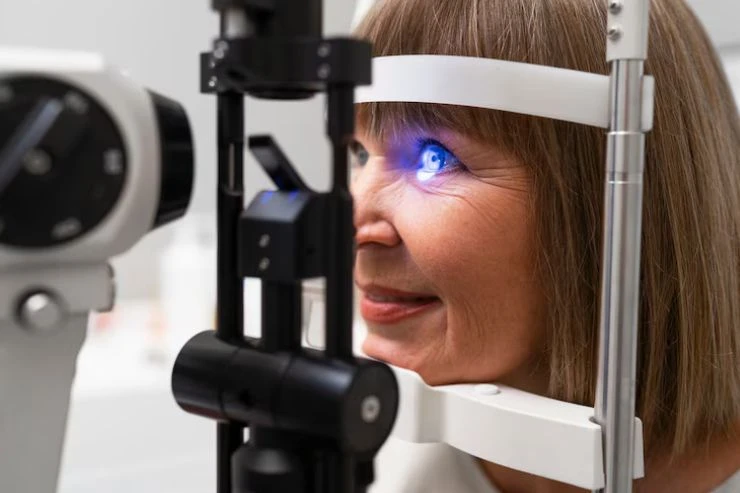
Macular degeneration, also known as age-related macular degeneration (AMD), remains the leading cause of severe vision loss in people over 60 in the United States. In Saint Petersburg, Florida—a city with one of the highest concentrations of seniors in the country—thousands of residents face this progressive retinal disease every year. Fortunately, the Tampa Bay area, and Saint Petersburg in particular, is home to some of the most advanced retinal care centers in the Southeast, offering patients access to cutting-edge treatments that can slow, halt, or in some cases even improve vision loss caused by macular degeneration.
In this comprehensive guide, we explore the top treatment options currently available for macular degeneration in Saint Petersburg, from FDA-approved anti-VEGF injections and photodynamic therapy to emerging gene therapies and low-vision rehabilitation programs that help patients maintain independence.
Understanding the Two Types of Macular Degeneration
Before diving into treatments, it’s important to distinguish between the two forms of AMD:
- Dry AMD (atrophic) – Accounts for 85–90% of cases. It progresses slowly as drusen deposits build up and retinal cells gradually die.
- Wet AMD (neovascular) – Less common (10–15%) but far more aggressive. Abnormal blood vessels grow under the retina, leak fluid or blood, and cause rapid central vision loss.
Treatment approaches differ significantly between the two forms, and accurate diagnosis by a retina specialist is the critical first step.
Top Treatment Options Available in Saint Petersburg
1. Anti-VEGF Intravitreal Injections – The Gold Standard for Wet AMD
Since the landmark ANCHOR and MARINA trials in 2006, anti-VEGF (vascular endothelial growth factor) injections have revolutionized wet AMD care. These medications block the protein that triggers abnormal blood vessel growth.
Saint Petersburg patients have access to all four currently FDA-approved anti-VEGF agents:
- Eylea (aflibercept) – Dosed every 8–12 weeks after initial monthly loading
- Lucentis (ranibizumab) – The first anti-VEGF specifically developed for ophthalmic use
- Beovu (brolucizumab) – Longer-acting option with potential for 12–16 week intervals
- Vabysmo (faricimab) – The newest agent (approved 2022), uniquely targets both VEGF-A and Ang-2 pathways, often allowing extended dosing up to 16 weeks
Leading retina practices in Saint Petersburg, such as Retina Vitreous Associates Of Florida, Retina Associates of Florida, and Florida Retina Institute – St. Petersburg, report that 30–40% of patients actually gain vision with consistent anti-VEGF therapy, while over 90% maintain vision long-term when treated early.
Many Saint Petersburg clinics now use “Treat-and-Extend” protocols, gradually stretching intervals between injections while monitoring with OCT (optical coherence tomography) to minimize patient burden without sacrificing outcomes.
2. Photodynamic Therapy (PDT) with Visudyne
Though largely replaced by anti-VEGF drugs for most wet AMD cases, PDT remains a role in specific subtypes, particularly polypoidal choroidal vasculopathy (PCV), which is more common in patients of African or Asian descent.
The procedure involves an intravenous infusion of verteporfin (Visudyne) followed by targeted cold laser activation. Several Saint Petersburg retina specialists still offer PDT as combination therapy when anti-VEGF injections fails to fully control leakage.
3. Emerging Longer-Acting Therapies
Two groundbreaking treatments are changing the treatment landscape:
Port Delivery System with Ranibizumab (Susvimo)
Approved in 2021 and now offered at select Saint Petersburg centers, Susvimo is a refillable implant surgically placed in the eye that continuously releases ranibizumab over 6–9 months. Early adopters report dramatically improved quality of life due to fewer office visits.
Gene Therapy – RGX-314 (REGENXBIO)
Currently in phase III trials (ATMOSPHERE and ASCENT), this one-time subretinal gene therapy instructs retinal cells to produce their own anti-VEGF protein. The Retina Institute of Florida is a participating site for these trials, giving eligible Saint Petersburg patients potential access to this potentially curative approach.
4. Treatment Options for Advanced Dry AMD (Geographic Atrophy)
Until 2023, no approved treatments existed for late-stage dry AMD. That changed with two landmark FDA approvals:
- Pegcetacoplan (Syfovre) – Approved February 2023
- Avacincaptad pegol (Izervay) – Approved August 2023
Both are complement inhibitors injected intravitreally every 25–60 days that slow the growth of geographic atrophy lesions by approximately 20–30%. Multiple Saint Petersburg practices, including Retina Vitreous Associates of Florida and Newsom Eye, began offering these therapies within months of approval and report strong patient interest despite the modest effect size.
5. Nutritional Supplementation – AREDS2 Formula
While not a “treatment” per se, the Age-Related Eye Disease Study 2 (AREDS2) remains a cornerstone of dry AMD management. The specific formulation—high-dose antioxidants plus zinc, lutein, zeaxanthin, vitamins C and E—reduces the risk of progression to advanced AMD by about 25% in moderate cases.
Every major Saint Petersburg retina practice strongly recommends AREDS2 supplements (PreserVision AREDS2, Ocuvite, etc.) for patients with intermediate dry AMD or advanced disease in one eye.
6. Low Vision Rehabilitation and Vision Aids
Even with the best medical or surgical care, many patients experience permanent central vision loss. Saint Petersburg is fortunate to have outstanding low-vision resources:
- Lighthouse for the Blind & Low Vision – St. Petersburg offers comprehensive rehabilitation, occupational therapy, and training with bioptic telescopes, electronic magnifiers (e.g., Jordy, Ruby), and smartphone/tablet accessibility features.
- The Florida Division of Blind Services maintains an active presence in Pinellas County with vocational rehabilitation and independent living skills training.
- Many local practices partner with certified low-vision optometrists who prescribe prism glasses, high-add bifocals, and illuminated handheld magnifiers.
7. Clinical Trials and Investigational Therapies
Saint Petersburg’s retina community is unusually active in clinical research. Current or recently completed trials include:
- Geographic atrophy: ANX007 (Annexon), GT005 (Gyroscope/Novartis)
- Dry AMD with high-risk drusen: ALK-001 (Alkeus), risuteganib (Allegro)
- Wet AMD: KSI-301 (Kodiak), ADVM-022 gene therapy (Adverum)
Patients interested in trials can contact the research departments at The Retina Institute of Florida or Retina Associates of Florida, or search clinicaltrials.gov using location “Saint Petersburg, FL” and condition “macular degeneration.”
Choosing the Right Retina Specialist in Saint Petersburg
The greater Saint Petersburg area has more fellowship-trained retina specialists per capita than almost anywhere in Florida. Some of the most respected names include:
- The Retina Institute of Florida – Dr. Ivan Suñer, a national leader in gene therapy trials
- Retina Associates of Florida – Multiple locations with 24/7 emergency coverage
- Florida Retina Institute – St. Petersburg office led by Dr. Matthew Menosky
- Newsom Eye – Known for early adoption of Susvimo and complement inhibitors
- Retina Vitreous Associates of Florida – Pioneering complement inhibitor program
When selecting a practice, consider:
- Surgeon volume (higher volume generally correlates with better outcomes)
- Availability of in-office OCT angiography and wide-field imaging
- Participation in clinical trials (if interested)
- Acceptance of your insurance and Medicare assignment
Lifestyle Factors That Influence AMD Progression
Even with the best medical care, patients can significantly influence outcomes through:
- Smoking cessation (smoking doubles AMD risk)
- UV and blue-light protection with amber/orange tinted sunglasses
- Mediterranean-style diet rich in leafy greens, omega-3s, and colorful vegetables
- Blood pressure and cholesterol control
- Regular exercise (30 minutes most days)
The Future of Macular Degeneration Treatment in Saint Petersburg
The next 3–5 years will likely bring:
- Durable gene therapies that may eliminate the need for many wet AMD patients
- Oral medications and sustained-release implants for dry AMD
- Stem cell trials aiming to replace lost retinal pigment epithelial cells
- Artificial intelligence-enhanced home monitoring (e.g., Notal Vision ForeseeHome, now covered by many Medicare Advantage plans in Florida)
Saint Petersburg’s combination of world-class retina specialists, active clinical trial participation, and robust low-vision support network positions the city as one of the best places in the country to receive comprehensive macular degeneration care.
Take Action Today
If you or a loved one has been diagnosed with macular degeneration in Saint Petersburg, early intervention is everything. Schedule a consultation with a fellowship-trained retina specialist as soon as possible—even if vision seems “not that bad” yet. Many practices offer same-week appointments for newly diagnosed wet AMD due to the urgency of treatment.
Vision lost to macular degeneration is often permanent, but with today’s therapies and Saint Petersburg’s exceptional medical community, there has never been a better time to protect your sight.




























Sign in to leave a comment.