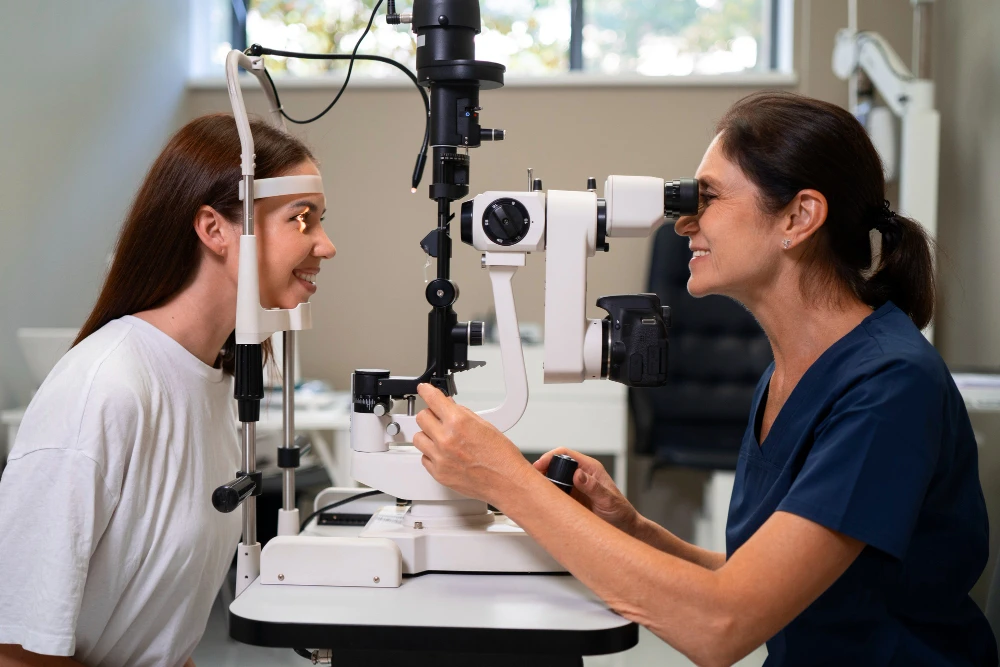

Laser procedures have become integral to modern retinal care, but they are not always the right choice. For most patients, the first time they hear of laser surgery for a retinal tear is when they visit the doctor with sudden floaters, flashes, or changes in their vision. Understanding when this treatment is recommended-and is not-can help you make informed decisions about your eye health.
What Laser Treatment Can Do for the Retina?
The retina laser procedures involve laser photocoagulation and retinopexy. These use focused light energy in sealing off weak areas, preventing further progress of the diseases in the retina, and decreasing the risk of vision loss.
Conditions Where Laser Is Commonly Indicated
Retina specialists can recommend laser treatment when it confers clear clinical benefit, such as:
1. Retinal Tears and Holes
This prevents the tear from proceeding to a retinal detachment.
2. Diabetic Retinopathy (NPDR/PDR)
Laser slows leakage, shrinks abnormal blood vessels, and stabilizes the retina.
3. Peripheral Retinal Degeneration (lattice degeneration)
is used if the area poses a high risk for future tears.
4. Macular Edema (some cases)
Focal or grid laser reduces swelling around the macula.
5. Retinal Vein Occlusion
Helps in controlling abnormal blood vessel growth following a blockage.
When a Retina Specialist Would Avoid Laser Treatment?
Not all retinal diseases warrant laser treatment. In many cases, other treatments are far safer and much more effective, such as anti-VEGF injections or vitrectomy.
Cases Where Laser Is Not the Best Option
1. Macular Conditions
- Macular hole
- Advanced macular degeneration
- Laser would damage central vision, and so is not used.
2. Very Large or Complicated Retinal Detachments
These often need surgery-scleral buckle or vitrectomy, rather than laser treatment only.
3. Tears With Significant Fluid Accumulation
Laser cannot seal a tear if fluid is already lifting the retina.
4. Dense Hemorrhage or Swelling Blocking Access to the Laser
The obstruction will need to be cleared by the doctor before any laser can be applied.
5. Poor Fixation or Unstable Eye Movement Patients
Precision is very important when it comes to the use of lasers in safety. For this reason, other treatments are favored over this one.
How Retina Specialists Decide: Important Considerations
Retina specialists consider the following in ensuring that treatments offered to patients are beneficial:
1. Type, Size, and Location of Tear or Disease
Central retina (macula) tends to avoid laser; peripheral areas are safer.
2. Degree of Risk for Retinal Detachment
High-risk tears almost always require urgent laser.
3. The Status of the Patient's Vision and Symptoms
Severe distortion or macular involvement may require alternative therapy.
4. Overall Eye Health and Any Previous Medical Conditions
Diabetes, hypertension, and previous surgeries influence the treatment modality.
5. Immediate Versus Long Term Visual Outcome
The aim is to preserve the best vision with the least complications.
Benefits of Laser Treatment
- Minimally invasive Quick recovery
- Minimizes the risk of eventual retina detachment
- Can stabilize the disease's progression.
- Low discomfort outpatient procedure
Wrapping Up
Laser treatment is a highly effective tool for protecting your vision when used in the right situations. Retinal tears, diabetic retinopathy, and high-risk degeneration are common conditions where laser offers life-changing benefits. However, macular diseases, advanced detachments, or cases with poor visibility indeed remain outside of such options. Your best approach to learning about the most effective treatment options is to consult a qualified retina specialist who can evaluate your unique retinal condition and recommend the safest, most effective care plan.



























Sign in to leave a comment.