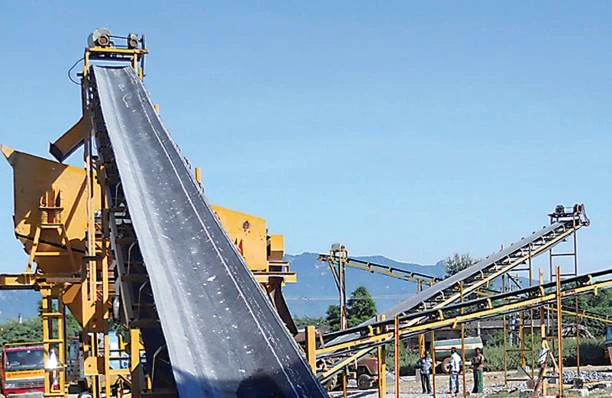
Selecting the right oil resistant conveyor belt is critical for industries where oils, greases, and fatty substances are part of daily operations. Using the wrong belt can lead to premature wear, reduced efficiency, contamination risks, and increased maintenance costs. This guide explains how to evaluate your needs and choose the most suitable solution for your specific application.
Understanding Oil Resistant Conveyor Belts
An oil resistant conveyor belt is specially designed to withstand exposure to oils and related substances without degrading. Standard conveyor belts tend to absorb oil, which causes swelling, loss of strength, and eventual failure. Oil resistant variants are manufactured using materials and compounds that minimize absorption and maintain structural integrity.
Why Oil Resistance Matters
In many industries, oils are unavoidable. Whether it’s food processing, recycling, metalworking, or chemical handling, belts are constantly exposed to oily materials. Without resistance, belts can:
- Lose tensile strength
- Become sticky or brittle
- Suffer surface damage
- Experience shortened lifespan
Choosing the right belt ensures consistent performance, reduced downtime, and improved operational efficiency.
Key Factors to Consider When Choosing an Oil Resistant Conveyor Belt
Selecting the correct belt requires a detailed evaluation of your operating conditions and requirements.
Type of Oil Exposure
Not all oils affect conveyor belts in the same way. Understanding the type of oil present is essential.
Animal and Vegetable Oils
These are commonly found in food processing industries. They can penetrate belt materials and cause swelling over time.
Mineral Oils
Used in industrial settings such as machining and manufacturing, mineral oils can be more aggressive and require higher resistance levels.
Synthetic Oils and Chemicals
These may require specialized belts with enhanced resistance properties due to their chemical composition.
Belt Material
The material of the belt plays a major role in its resistance to oil and overall durability.
Rubber Belts
Rubber-based belts are widely used and can be formulated for moderate to high oil resistance. They are flexible and suitable for heavy-duty applications.
PVC Belts
PVC belts offer good resistance to certain oils and are often used in light to medium-duty applications, especially where hygiene is important.
Polyurethane (PU) Belts
PU belts are highly resistant to oils and fats, making them ideal for food processing and applications requiring strict cleanliness standards.
Level of Oil Resistance Required
Oil resistant belts are typically categorized into different grades based on their resistance level. Choosing the right grade depends on the intensity and frequency of oil exposure.
- Moderate resistance: Suitable for occasional exposure
- High resistance: Required for continuous or heavy oil contact
- Specialized resistance: Needed for extreme or chemically aggressive environments
Selecting a belt with insufficient resistance can lead to frequent replacements, while over-specifying may increase costs unnecessarily.
Application-Specific Considerations
Different industries have unique requirements that influence belt selection.
Food Processing Industry
In food environments, belts must not only resist oils but also meet hygiene and safety standards. Key considerations include:
- Resistance to animal fats and vegetable oils
- Easy cleaning and sanitization
- Non-toxic and food-safe materials
Recycling and Waste Management
These industries often deal with mixed materials containing oils, grease, and contaminants. Belts must be:
- Highly durable
- Resistant to abrasion and oil
- Capable of handling irregular loads
Manufacturing and Metalworking
Oil exposure is frequent due to lubricants and coolants. Belts should provide:
- High oil resistance
- Strong tensile strength
- Resistance to heat and mechanical stress
Belt Design and Construction
Beyond material, the design and construction of the belt also affect performance.
Cover Thickness
The outer layer of the belt, known as the cover, protects the internal structure. Thicker covers provide better resistance to oil penetration and physical wear.
Tensile Strength
The belt must be strong enough to handle the load without stretching or breaking. This is especially important in heavy-duty applications.
Surface Texture
The surface of the belt can be smooth or textured depending on the application. Textured surfaces may improve grip and prevent slippage when transporting oily materials.
Environmental and Operating Conditions
The working environment plays a significant role in determining the right belt.
Temperature
High temperatures can accelerate the breakdown of materials, especially when combined with oil exposure. Ensure the belt is rated for your operating temperature range.
Load Capacity
Heavier loads require stronger belts with higher tensile strength and durability. Consider both the weight and type of materials being transported.
Speed of Operation
High-speed systems may require belts with enhanced stability and resistance to wear. Oil exposure at high speeds can also increase the rate of degradation if the wrong material is used.
Maintenance and Longevity
Choosing the right belt is only part of the equation. Proper maintenance ensures long-term performance.
Regular Cleaning
Oil buildup can still occur even with resistant belts. Routine cleaning helps maintain efficiency and prevents contamination.
Inspection and Monitoring
Regular inspections can identify early signs of wear, such as cracking, swelling, or surface damage. Addressing these issues early can prevent costly downtime.
Proper Storage
Unused belts should be stored in a clean, dry environment away from direct sunlight and chemicals to preserve their properties.
Cost vs Performance
While it may be tempting to choose a lower-cost option, this can lead to higher expenses over time due to frequent replacements and downtime.
Initial Investment
Higher-quality oil resistant belts may have a higher upfront cost but offer better durability and performance.
Long-Term Savings
A well-chosen belt reduces maintenance, increases efficiency, and minimizes operational disruptions, resulting in overall cost savings.
Common Mistakes to Avoid
Avoiding these common pitfalls can help ensure you select the right belt:
- Choosing a belt without considering the specific type of oil exposure
- Ignoring environmental factors such as temperature and load
- Underestimating the importance of material compatibility
- Failing to plan for maintenance and cleaning
Conclusion
Choosing the right oil resistant conveyor belt requires a clear understanding of your industry’s needs, the type of oil exposure, and the operating environment. By carefully evaluating materials, resistance levels, and application requirements, you can select a belt that delivers reliable performance and long service life.
Making an informed decision not only improves efficiency but also reduces downtime and maintenance costs, ensuring smooth and consistent operations across your facility.




















Sign in to leave a comment.