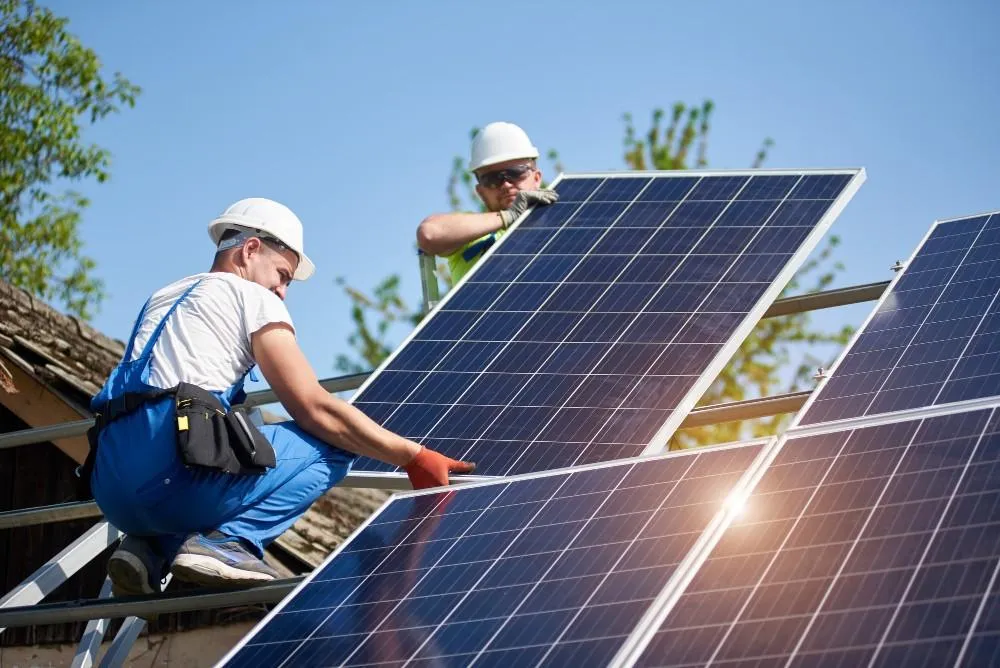


Solar energy has become one of the most practical choices for homes and businesses that want to reduce electricity costs, improve energy independence, and support a cleaner future. With rising demand for reliable and sustainable power, many property owners are now considering solar as a long-term investment rather than just an alternative energy option.
However, choosing the right solar power system is not always simple. Different properties have different energy needs, roof conditions, budgets, and backup power requirements. A system that works well for one home may not be suitable for a factory, hotel, office, warehouse, or commercial building.
To make the right decision, it is important to understand your energy usage, available space, system options, installation quality, and long-term goals.
Understanding Your Energy Requirements
The first step in choosing a solar power system is understanding how much electricity your property uses. This can usually be reviewed through monthly electricity bills, daily usage patterns, and the type of equipment or appliances used.
A small home with basic electricity needs may require a smaller system. A large home with air conditioning, electric appliances, and daytime usage may need a larger system. Businesses, factories, hotels, and commercial properties often require more detailed energy assessments because their consumption patterns can be higher and more complex.
Understanding your energy requirements helps determine the correct system capacity. If the system is too small, it may not generate enough power. If it is too large without proper planning, the investment may not deliver the expected value.
Choosing Quality Solar Panels
Solar panels are the most visible and important part of a solar power system. They capture sunlight and convert it into electricity, so their quality directly affects energy generation, system durability, and long-term performance.
High-quality solar panels in Sri Lanka should be efficient, durable, and suitable for local weather conditions. In Sri Lanka, solar panels are exposed to heat, humidity, rain, dust, and changing climate conditions, so product reliability is very important.
When selecting solar panels, property owners should consider panel efficiency, warranty, manufacturing quality, supplier reputation, and long-term performance. Choosing cheaper panels may reduce the initial cost, but poor performance or frequent maintenance issues can affect long-term savings.
Understanding Different Solar System Types
Not every solar system works in the same way. The best option depends on how you want to use solar power and whether you need backup during power interruptions.
A grid-connected solar system is suitable for users who mainly want to reduce electricity bills while staying connected to the national grid. This is common for many homes and businesses.
A hybrid system combines solar panels, battery storage, and grid connectivity. This gives users more flexibility and can provide backup power for selected appliances or operations during power cuts.
An off-grid system works independently from the national grid and is often used in remote areas or locations where grid access is limited.
Each option has its own benefits, so the right choice depends on your energy goals, budget, and reliability needs.
When to Consider a Hybrid Solar System
A Hybrid Solar System is a good option for property owners who want both solar savings and better power security. It allows solar energy to be used during the day, while battery storage can support selected power needs when sunlight is not available or when the grid is down.
For homes, this can help keep essential items such as lights, fans, refrigerators, internet routers, and security systems running during outages. For businesses, hybrid systems can help reduce downtime and support smoother daily operations.
Hybrid systems are especially useful for users who want more control over their electricity usage and do not want to depend fully on the grid.
Off-Grid Solutions for Remote Power Needs
Some properties need power in locations where grid electricity is unavailable, unreliable, or difficult to access. In such cases, off-grid solar can be a practical solution.
An Off Grid Solar System can support essential power needs in remote homes, agricultural sites, communication points, tourism properties, and other locations where grid access is limited.
Off-grid systems usually include solar panels, batteries, inverters, and supporting equipment. Since they operate independently, proper system sizing is extremely important. The system must be planned based on daily energy usage, available sunlight, battery capacity, and the importance of uninterrupted power.
Checking Roof Space and Installation Conditions
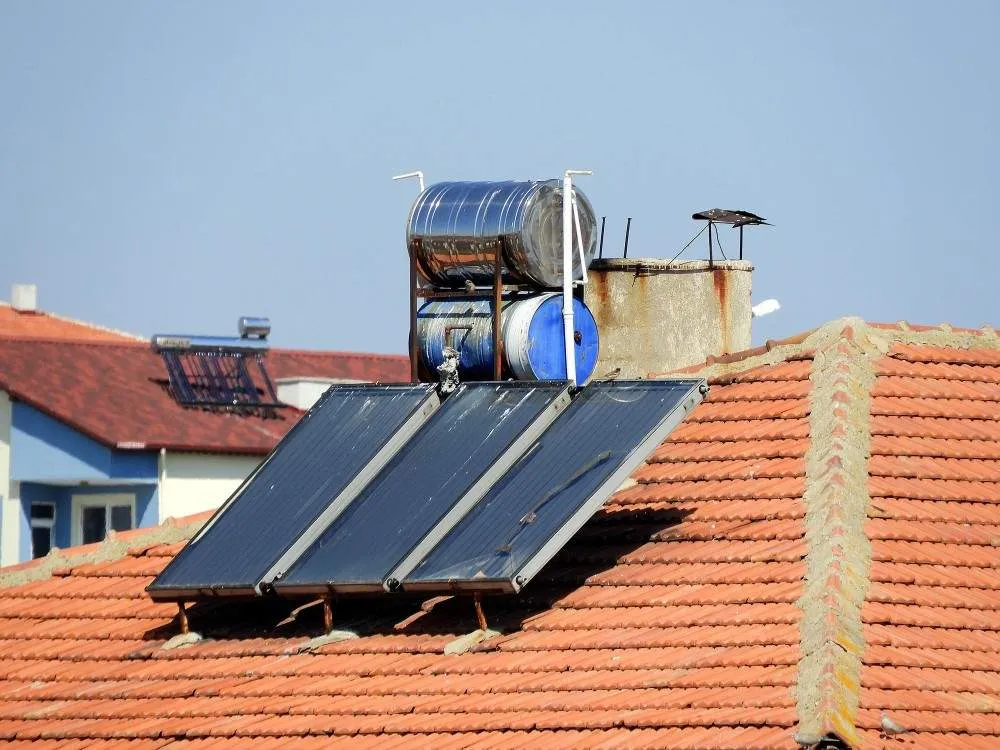
Before installing a solar system, the property must be assessed carefully. Roof size, roof direction, shading, structural condition, and available space all affect system performance.
A roof that receives good sunlight for most of the day is usually more suitable for solar installation. However, if there are trees, nearby buildings, water tanks, or other objects creating shade, energy generation may be reduced.
The strength and condition of the roof should also be checked. Solar panels are a long-term installation, so the structure must be suitable to support the system safely.
For commercial and industrial properties, additional assessments may be required due to larger system sizes and higher technical requirements.
Why Professional Installation Matters
The performance of a solar power system depends not only on the products used, but also on the quality of installation. Poor installation can lead to reduced energy output, safety risks, roof damage, wiring issues, and maintenance problems.
Professional installation includes site inspection, system design, mounting, wiring, inverter connection, safety checks, testing, and commissioning. It also ensures that the system is installed according to technical and regulatory requirements.
A properly installed system can perform better, last longer, and give property owners greater confidence in their investment.
Considering Long-Term Savings and Return on Investment
Solar power should be viewed as a long-term investment. While there is an upfront cost, the system can help reduce electricity bills over time and protect users from future energy price increases.
The return on investment depends on system size, electricity usage, installation cost, energy generation, and financing options. Properties with higher daytime electricity consumption may benefit strongly from solar because they can use more of the power generated during sunlight hours.
Before making a decision, property owners should request a proper assessment rather than choosing a system only based on price.
Maintenance and After-Sales Support
Solar systems generally require lower maintenance compared with many other energy systems, but regular care is still important. Panels may need cleaning, and the system should be checked from time to time to ensure it is performing correctly.
After-sales support is also important. A reliable provider can help with monitoring, maintenance, warranty support, technical issues, and future upgrades.
Since solar systems are expected to operate for many years, choosing a provider with proper service support can make a major difference.
Choosing the Right Solar Partner
The right solar partner should understand local energy needs, climate conditions, system design, installation standards, and long-term service requirements.
A good provider will not simply recommend the largest system. Instead, they will assess the property, understand the customer’s goals, and suggest a solution that matches energy usage, budget, and future requirements.
For homes, businesses, and industrial properties, this guidance is essential for making a confident investment.
Final Thoughts
Choosing the right solar power system is about more than buying panels. It requires proper planning, quality products, professional installation, and a clear understanding of your energy needs.
Whether you choose a grid-connected system, hybrid solar system, or off-grid solution, the right setup can help reduce electricity costs, improve energy independence, and support long-term sustainability.
For property owners in Sri Lanka, solar energy offers a practical way to manage power needs more efficiently while investing in a cleaner and more reliable energy future.





















Sign in to leave a comment.