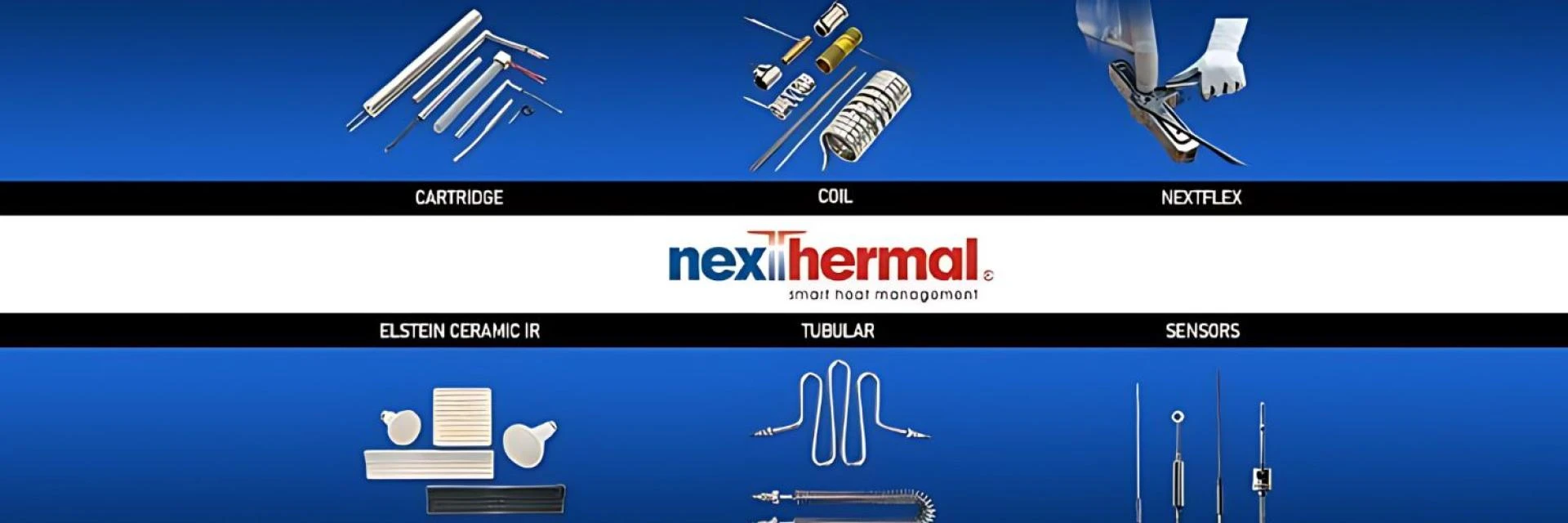

In modern manufacturing, heat is not just a utility—it is a controlled engineering parameter that directly impacts productivity, quality, and safety. From packaging lines running at high speeds to medical equipment requiring absolute thermal stability, the reliability of heating elements plays a decisive role. Among all industrial heating solutions, tubular heaters remain one of the most versatile and widely used technologies.
For over three decades, Nexthermal has worked closely with OEMs, plant engineers, and maintenance teams to design and manufacture high-performance tubular heating solutions. As a seasoned tubular heaters manufacturer, Nexthermal’s experience offers valuable insight into what truly matters when selecting a heating partner in India.
This guest post explores tubular heaters from a technical, engineering-first perspective—focused on performance, longevity, and real-world industrial demands rather than marketing claims.
Understanding Tubular Heaters from an Engineering Standpoint
A tubular heater is a resistance-based heating element designed to convert electrical energy into controlled heat. Its construction appears simple, but performance depends heavily on precision engineering.
A typical tubular heater consists of:
- A metal sheath that protects the internal components and transfers heat
- A resistance wire, usually a nickel-chromium alloy, responsible for heat generation
- Magnesium Oxide (MgO) insulation, compacted to provide both high thermal conductivity and excellent dielectric strength
The entire assembly is mechanically compacted to eliminate air gaps, ensuring efficient heat transfer and electrical safety.
What differentiates industrial-grade tubular heaters from generic ones is not the materials alone, but how these materials are engineered together.
Why Tubular Heater Quality Directly Affects Production
Many heater failures are mistakenly treated as consumable issues. In reality, most failures trace back to design mismatches rather than usage.
Common problems caused by poor-quality tubular heaters include:
- Insulation breakdown, leading to current leakage and safety risks
- Uneven heat distribution, creating localized hot spots that damage products or tooling
- Sheath oxidation or corrosion, especially in high-temperature or humid environments
- Incorrect watt density, which dramatically shortens heater life
An experienced tubular heaters manufacturer designs against these risks from the start, using data-driven calculations rather than assumptions.
Watt Density: The Core of Tubular Heater Design
Watt density, measured in watts per square inch, is one of the most critical yet misunderstood parameters in heater selection. It defines how much power is concentrated on the heater’s surface.
If watt density is too high:
- Surface temperatures spike
- MgO insulation degrades faster
- Sheath materials oxidize or crack
If watt density is too low:
- Heating response becomes slow
- Process efficiency drops
For example:
- Air heating requires low watt density
- Oil and water immersion allow higher watt density
- Medical and packaging equipment demand tightly controlled watt density to protect sensitive materials
Professional manufacturers calculate watt density based on real operating conditions—medium, temperature, duty cycle, and ambient environment.
Selecting the Right Sheath Material
The sheath material determines where a tubular heater can operate safely and how long it will last.
Common industrial sheath options include:
Incoloy Alloys
Incoloy 800 and 840 offer exceptional resistance to oxidation and scaling at elevated temperatures. These alloys are widely used in air heating, ovens, and furnace-related applications.
Stainless Steel
Grades such as 304 and 316L are preferred for food processing, packaging, and medical equipment due to their corrosion resistance and cleanability.
Copper
Copper sheaths provide excellent thermal conductivity and are ideal for water and oil immersion heaters, though they are unsuitable for high-temperature or corrosive environments.
A reliable tubular heaters manufacturer recommends sheath materials based on process conditions, not just availability.
Cold Zones and Termination Integrity
One often-overlooked design feature is the cold zone—the unheated portion near the heater terminals. Cold zones protect electrical connections from excessive heat and extend terminal life.
Improper cold-zone design can lead to:
- Terminal insulation failure
- Loose electrical connections
- Repeated heater replacements
Experienced manufacturers engineer cold-zone length and termination sealing as part of the heater design, not as an afterthought.
Custom Forming and Bending Capabilities
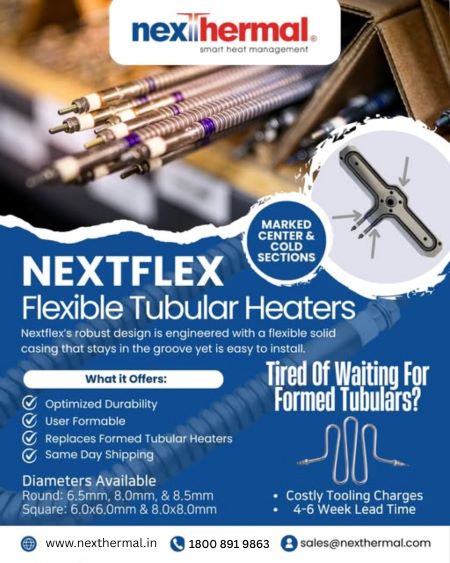
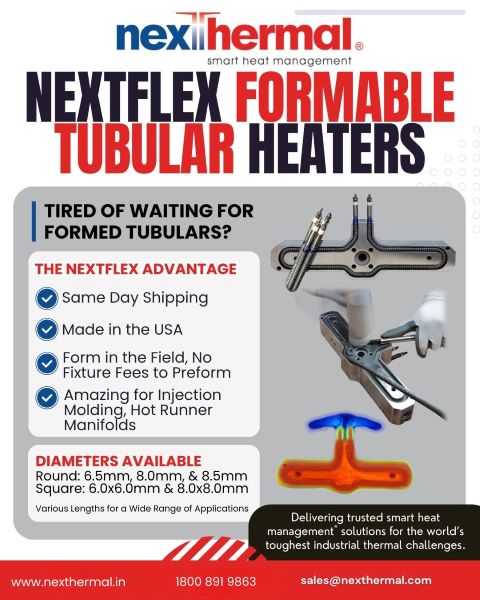
Industrial heating applications rarely involve straight-line geometry. Tubular heaters are commonly formed into:
- U-shapes and W-shapes
- Spiral or helical coils
- Complex 3D profiles to fit dies, platens, or tanks
Precision bending must preserve:
- Uniform MgO density
- Consistent resistance values
- Sheath integrity without micro-cracks
This level of forming accuracy requires in-house tooling, process control, and skilled technicians—key indicators of a true tubular heaters manufacturer.
Compliance, Standards, and Engineering Discipline
In regulated and export-oriented industries, compliance is non-negotiable. High-quality tubular heaters are designed and manufactured under:
- ISO-certified quality systems
- CE-compliant electrical and safety guidelines
These standards are especially critical in:
- Medical and laboratory equipment
- Packaging machinery with operator exposure
- Exported OEM systems
Compliance reflects disciplined engineering processes, not just documentation.
Tubular Heaters Across Industrial Applications
The versatility of tubular heaters explains their widespread adoption across sectors.
Medical and Laboratory Equipment
Applications demand clean construction, stable output, and high dielectric strength to ensure safety and precision.
Packaging Machinery
Fast thermal response and uniform heat distribution are essential for sealing, forming, and cutting operations running at high cycle rates.
Plastics and Automotive Manufacturing
Heaters must withstand continuous duty cycles, vibration, and elevated temperatures without degradation.
In many systems, tubular heaters are complemented by cartridge heaters or ceramic heaters for localized or extreme-temperature zones.
The Importance of Integrated Temperature Control
A heating element alone cannot deliver process stability. The control system determines how effectively heat is applied.
When tubular heaters are paired with well-matched industrial temperature controllers, manufacturers benefit from:
- Stable and repeatable process temperatures
- Reduced energy consumption
- Extended heater lifespan
Sourcing heaters and controllers from a single engineering-focused supplier minimizes compatibility issues and simplifies system optimization.
What to Look for in a Tubular Heaters Manufacturer
When evaluating potential partners, engineers should look beyond pricing and lead times. Key indicators of reliability include:
- Proven experience spanning decades
- Strong application engineering support
- Transparency in technical specifications
- Ability to customize rather than standardize
Manufacturers with long-term industry presence have typically solved a wide range of real-world heating challenges—and that experience translates directly into better solutions.
Engineering Experience Matters
Companies like Nexthermal, with 30+ years of hands-on thermal engineering experience and a strong Bangalore-based engineering team, demonstrate how experience reduces risk. Over decades, design knowledge accumulates—showing what works, what fails, and why.
This depth of understanding is difficult to replicate quickly and is often the difference between a heater that lasts months and one that performs reliably for years.
Tubular Heating as an Engineered Asset
Tubular heaters should never be treated as generic consumables. When properly engineered, they become long-term assets that improve efficiency, reduce downtime, and protect product quality.
Choosing the right tubular heaters manufacturer in India means choosing engineering discipline over shortcuts, custom design over generic sizing, and long-term reliability over short-term cost savings.
In demanding industrial environments, precision heating is not optional—it is foundational. And with the right manufacturing partner, tubular heaters deliver exactly what modern industry requires: controlled, reliable, and efficient heat.
Technical Consultation: 1800 891 9863
Book a Consultation: https://www.nexthermal.in/
Visit Product Page: https://www.nexthermal.in/tubular-heaters/
Follow us for more industrial insights: Facebook | Instagram | YouTube | Twitter (X)
More Products:
Electric Heating Elements manufacturer | cartridge heating element | coil heaters manufacturer | temperature sensors manufacturer | tubular heaters manufacturer | temperature controller manufacturers | Engineering services provider in india | Ceramic Infrared Heater manufacturer |Temperature Control Panel manufacturer | Heating Coil Element manufacturer | Tubular Heater manufacturer | Temperature Sensors manufacturer | Temperature Controller manufacturer



















Sign in to leave a comment.