Industrial heating is one of the most underestimated components in manufacturing systems. While motors, drives, and automation receive constant attention, heating elements are often treated as consumables—until a failure shuts down production. For Indian industries operating in demanding environments, selecting the right Electric Heating Elements manufacturer is not a purchasing decision; it is an engineering decision.
This article explains what truly differentiates a reliable electric heating elements manufacturer from a generic supplier, with a strong focus on Indian industrial conditions such as voltage instability, humidity, and continuous-duty operation.
Understanding Industrial Electric Heating Elements
Electric heating elements convert electrical energy into heat through resistance. While the principle is simple, industrial execution is not. Heating elements must operate reliably under:
- High ambient temperatures
- Fluctuating power supply
- Long duty cycles
- Mechanical stress
- Chemical exposure
Industrial electric heating elements are used across sectors including plastics processing, packaging, pharmaceuticals, food processing, metalworking, textiles, and OEM machinery manufacturing.
The failure of a heating element often leads to secondary damage—controllers, insulation breakdown, product quality issues, or complete machine downtime.
Why “One-Size-Fits-All” Heaters Fail in India
Many heating element failures in Indian factories can be traced back to imported or generic heaters designed for ideal conditions. Indian manufacturing environments present unique challenges:
Voltage Fluctuations
Unstable power supply leads to thermal shock in resistance coils, especially in high-watt-density heaters.
High Humidity
In regions like South India, moisture ingress degrades insulation resistance, causing leakage currents and premature failure.
Continuous Operation
Many heaters are operated beyond their designed duty cycle, accelerating oxidation and insulation breakdown.
A competent Electric Heating Elements manufacturer designs heaters specifically for these realities—not laboratory conditions.
The Importance of Custom Electric Heating Elements
Custom electric heating elements are engineered to match the exact thermal and mechanical requirements of an application. This includes:
- Correct watt density based on heat transfer medium
- Optimized coil geometry
- Proper insulation material selection
- Accurate sheath material choice
- Reliable terminal design
Customization significantly improves heater life, energy efficiency, and temperature stability.
Manufacturers who offer only catalog products rarely address these variables, leading to repeated failures and higher long-term costs.
Role of Watt Density in Heater Longevity
Watt density is one of the most critical yet misunderstood parameters in heater design. Excessive watt density causes:
- Localized overheating
- Oxidation of resistance wire
- Insulation cracking
- Reduced heater life
Experienced manufacturers calculate watt density based on:
- Surface contact area
- Heating medium (air, oil, metal, liquid)
- Maximum allowable sheath temperature
- Duty cycle
A reliable Electric Heating Elements manufacturer never recommends watt density blindly.
Thermal Simulation and FEA: Engineering, Not Guesswork
Advanced manufacturers use thermal simulation and Finite Element Analysis (FEA) to predict heater behavior before production. These tools help identify:
- Temperature gradients
- Stress concentration points
- Expansion-related failures
- Uneven heat distribution
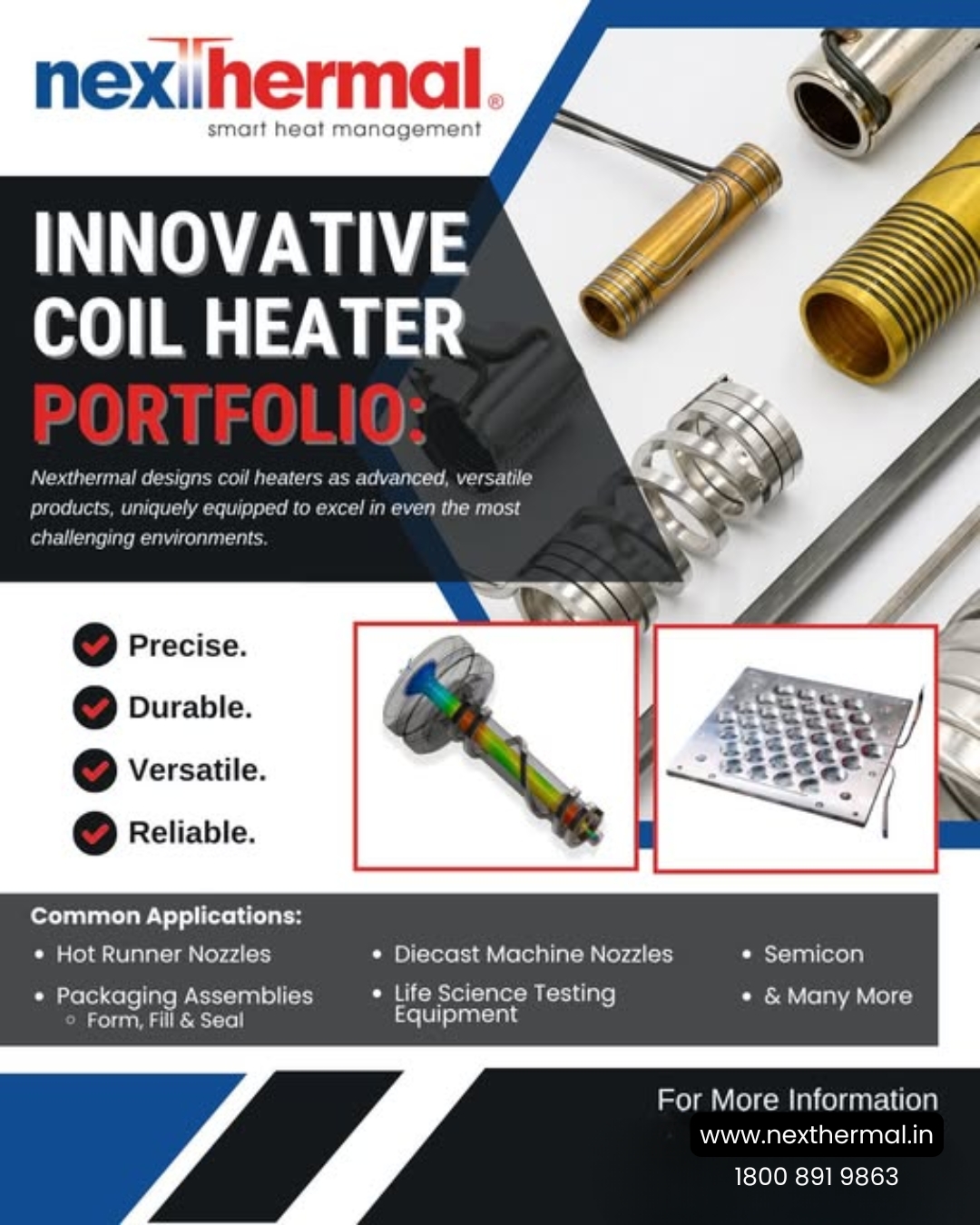
Thermal modeling is especially critical for cartridge heaters, ceramic heaters, and complex custom shapes used in OEM equipment.
This approach transforms heater design from trial-and-error into predictable engineering.
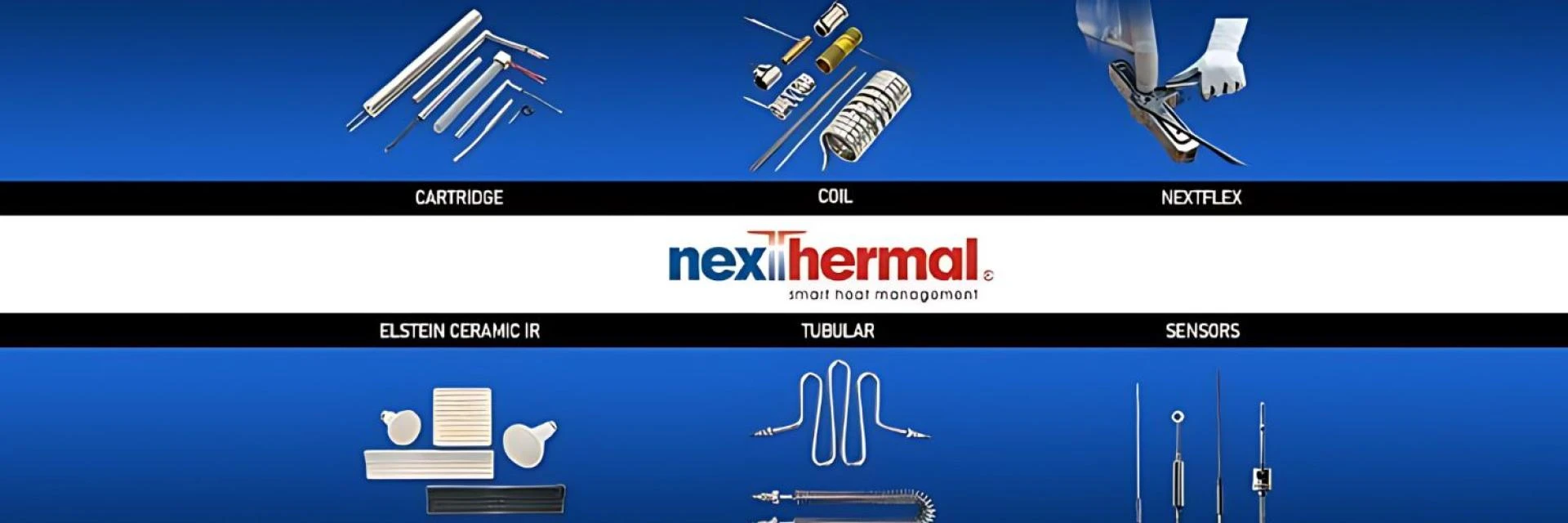
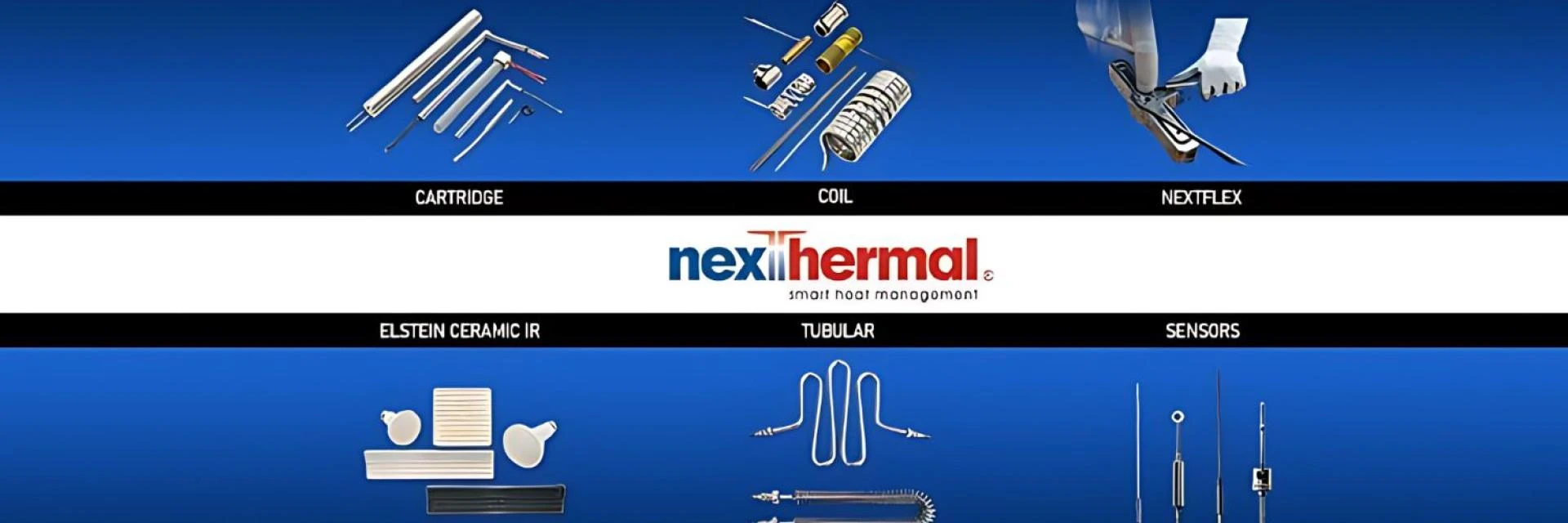
Ceramic, Cartridge, and Tubular Heaters: Knowing the Difference
Ceramic Heaters
Used primarily for radiant and convective heating, ceramic heaters offer uniform heat distribution and high efficiency. They are common in plastic processing and hot air systems.
Cartridge Heaters
Designed for conduction heating in metal blocks, molds, and dies, cartridge heaters deliver high watt density with precise control when correctly engineered.
Tubular Heaters
Highly versatile, tubular heaters are used in ovens, tanks, and immersion applications. Proper sheath material and bending radius are critical for longevity.
A knowledgeable manufacturer guides selection based on application—not availability.
Why Sensor Integration Matters
Heating without temperature feedback is a high-risk approach. Integration of sensors is essential for:
- Temperature accuracy
- Process consistency
- Energy efficiency
- Heater life extension
Manufacturers who are also RTD sensor manufacturers and Thermocouple manufacturers can design heaters and sensors as a single thermal system. This ensures faster response times, better PID control, and reduced overshoot.
Outsourced or poorly matched sensors often cause inaccurate readings and unstable control loops.
System-Level Thinking in Industrial Heating Solutions
True industrial heating expertise goes beyond producing a heating element. It includes:
- Heater–sensor–controller compatibility
- Power regulation guidance
- Installation orientation
- Failure analysis and redesign
Companies offering complete Industrial Heating Solutions India understand how heating elements interact with mechanical systems, control panels, and production processes.
This system-level approach reduces downtime and improves operational stability.
Evaluating an Electric Heating Elements Manufacturer: A Checklist
Before finalizing a supplier, procurement and engineering teams should evaluate:
- Years of Industrial Experience
Longevity often reflects reliability and repeat customers. - Customization Capability
Ability to design based on application data, not part numbers. - Testing Standards
Dielectric strength, insulation resistance, and thermal endurance testing. - Engineering Support
Access to engineers, not just sales teams. - Local Manufacturing & Support
Faster response, easier troubleshooting, and practical understanding of Indian conditions.
Case for Indian Manufacturers with Local Expertise
Indian manufacturers with decades of field experience understand:
- Regional power conditions
- Environmental challenges
- Maintenance practices
- Cost-performance balance
This practical knowledge often results in more durable and cost-effective solutions than imported alternatives.
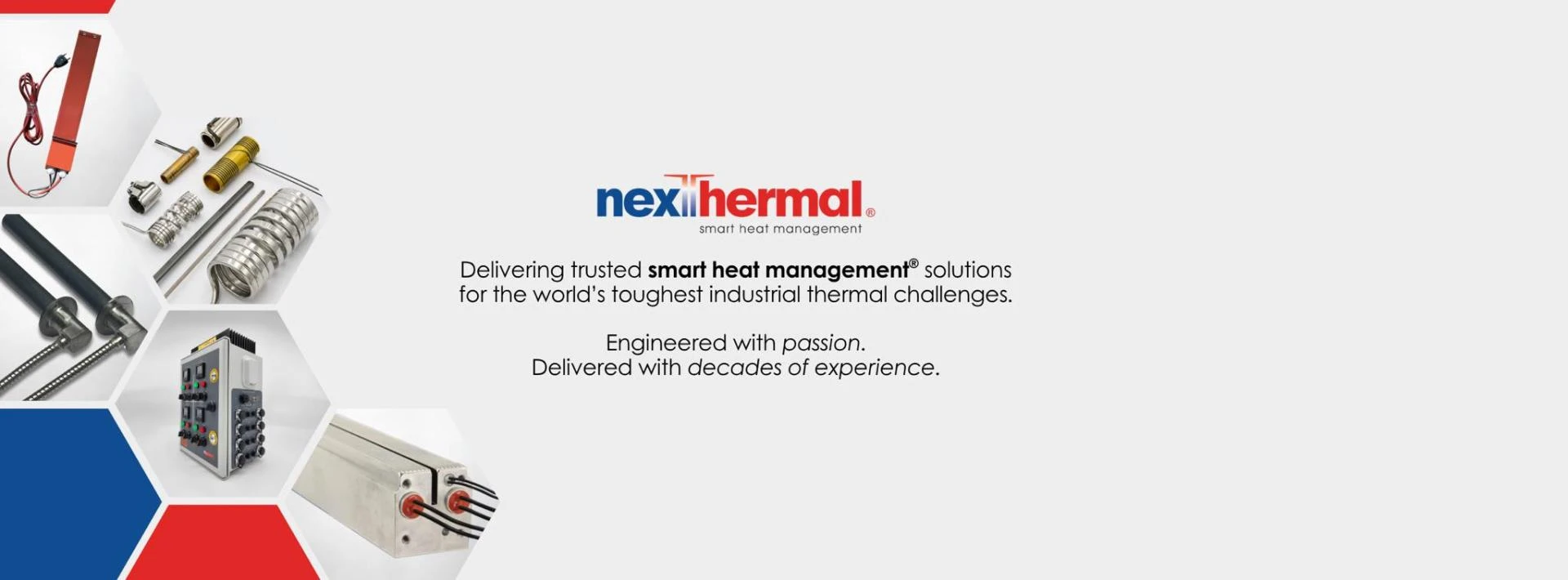
One such example is Nexthermal, a Bengaluru-based company with over 30 years of experience in designing industrial electric heating elements for Indian factories. Their approach emphasizes engineering validation, custom design, and system integration rather than mass-produced heaters.
Long-Term Cost vs Initial Price
Cheaper heaters often result in:
- Frequent replacements
- Increased downtime
- Higher maintenance costs
- Product quality issues
A properly engineered heating element may cost more initially but delivers significantly lower total cost of ownership.
This is where experienced manufacturers create real value.
Contact us
Choosing the right Electric Heating Elements manufacturer is not about brand names or catalogs—it is about engineering depth, field experience, and understanding real operating conditions.
Indian industries demand heating solutions that can withstand power fluctuations, environmental stress, and continuous operation. Manufacturers who combine custom design, thermal simulation, proper testing, and sensor integration consistently outperform generic suppliers.
For procurement managers, maintenance engineers, and OEM designers, investing time in selecting the right heating partner pays dividends in reliability, efficiency, and peace of mind.
Call us: 1800 891 9863
Website: https://www.nexthermal.in
Book a Consultation: https://www.nexthermal.in/contact/
Visit Product Page: https://www.nexthermal.in/cartridge-heater/
Connect With Us
More Products:
Electric Heating Elements manufacturer | cartridge heating element | coil heaters manufacturer | temperature sensors manufacturer | tubular heaters manufacturer | temperature controller manufacturers | Engineering services provider in india | Ceramic Infrared Heater manufacturer |Temperature Control Panel manufacturer | Heating Coil Element manufacturer | Tubular Heater manufacturer | Temperature Sensors manufacturer | Temperature Controller manufacturer

























Sign in to leave a comment.