

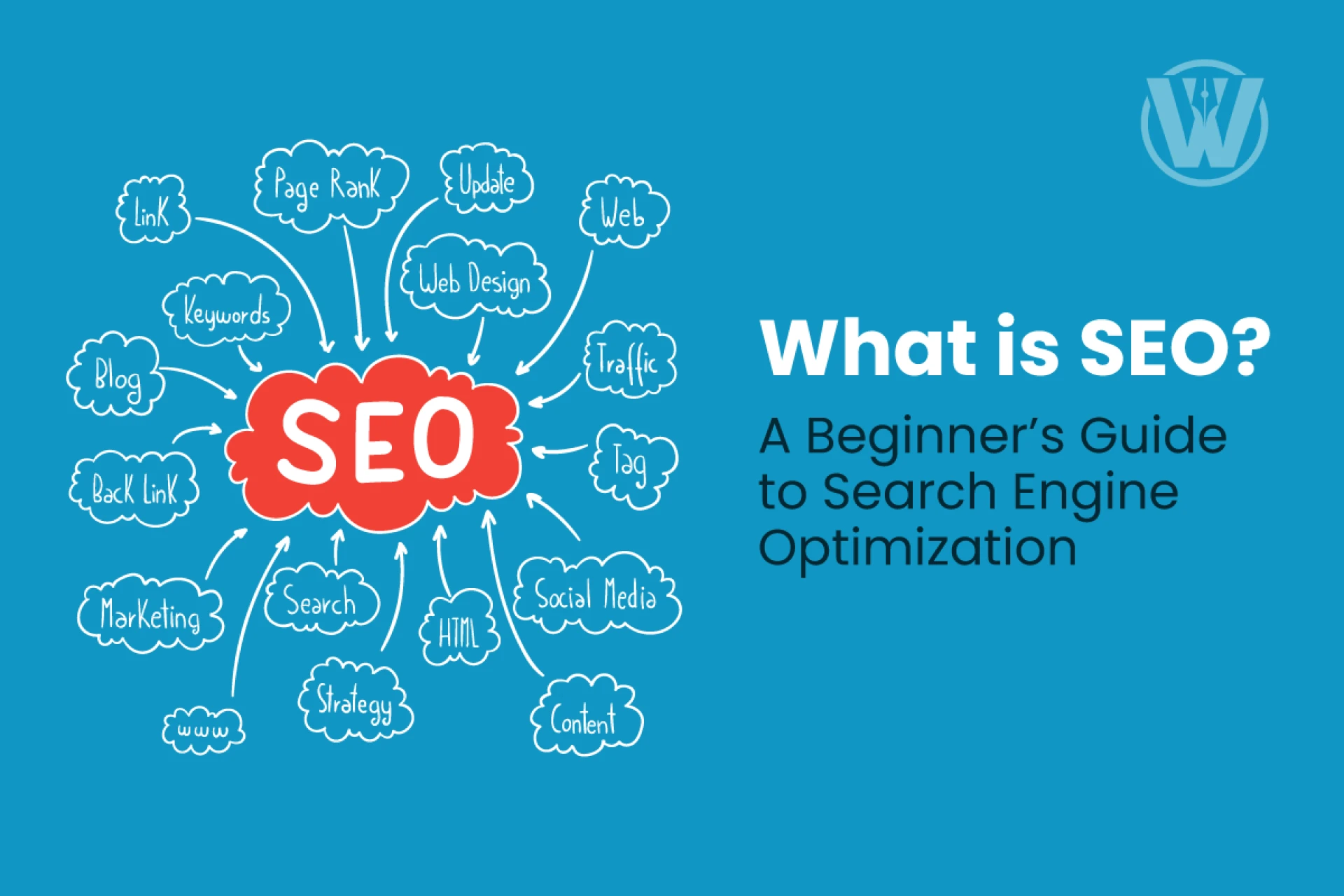
In the fast-paced digital world of 2024, ensuring your small business website is optimized for search engines is more crucial than ever. An SEO audit is a comprehensive analysis of your website's performance in search engine results pages (SERPs).
It helps identify areas for improvement to boost your site's visibility, traffic, and ultimately, conversions. In this guide, we’ll walk you through the steps to conduct an effective SEO audit for your small business website.
Before diving into the specifics of conducting an SEO audit, it's essential to understand its significance. An SEO audit acts as a health check for your website, identifying strengths, weaknesses, and opportunities for improvement in your SEO strategy. By regularly auditing your site, you can ensure it aligns with current best practices and search engine algorithms, thereby maintaining or improving your search rankings.
Analyze Your Website's Technical SEO
Technical SEO focuses on the infrastructure of your website, ensuring it meets search engine requirements for crawling and indexing. Here’s what to assess:
Site Speed and Mobile-Friendliness: Use tools like Google PageSpeed Insights to check your site's loading speed and ensure it is optimized for mobile devices, which are increasingly prioritized by search engines.
Indexing and Crawlability: Verify that search engines can easily crawl and index your website's pages. Use tools like Google Search Console to identify and fix any indexing issues.
Fix Broken Links and Redirects: Broken links and 404 errors can harm user experience and SEO. Use tools to find and fix broken links, and ensure redirects are correctly implemented.
Assess On-Page SEO Elements
On-page SEO focuses on optimizing individual web pages to rank higher and earn more relevant traffic in search engines. Evaluate:
Title Tags, Meta Descriptions, and Headers: Ensure each page has a unique title tag and meta description that accurately describe its content. Use headers (H1, H2, etc.) to structure content logically and incorporate relevant keywords.
Optimize Images and Media: Compress images to improve load times, add descriptive alt text, and use relevant file names. This helps search engines understand the content of your images.
Keyword Usage and Content Relevance: Analyze the use of keywords across your site. Ensure they are naturally incorporated into content and meta tags without keyword stuffing. Focus on creating high-quality, relevant content that addresses user intent.
Review Your Content Quality
Content quality is crucial for both user engagement and search engine rankings. Evaluate:
Uniqueness and Value: Ensure your content is original, informative, and provides value to your audience. Avoid duplicate content and consider updating outdated posts with fresh information.
Identify Thin or Duplicate Content: Use tools to identify thin content (pages with little substantive content) or duplicate content issues. Consolidate or remove low-quality content to improve overall site quality.
Evaluate Off-Page SEO Factors
Off-page SEO refers to actions taken outside of your website that impact your rankings. Focus on:
Backlink Profile: Analyze the quality and quantity of backlinks pointing to your site. Use tools to identify toxic backlinks and disavow them if necessary. Seek opportunities to earn high-quality backlinks from authoritative sources.
Build Local Citations: Ensure your business information (NAP - Name, Address, Phone Number) is consistent across local directories and listings. This enhances credibility and improves local search visibility.
Analyze User Experience (UX)
User experience directly affects how visitors interact with your site and influences search engine rankings. Consider:
Site Navigation and Structure: Ensure intuitive navigation that allows users to find information easily. Use clear menus and logical site structure.
Accessibility: Check for accessibility issues to ensure your website is usable by people with disabilities. Make necessary adjustments to improve accessibility and user experience.
Utilize SEO Tools for Detailed Insights
Effective SEO audits rely on data from specialized tools. Utilize:
Google Analytics: Gain insights into website traffic, user behavior, and conversions. Monitor key metrics to track the impact of your SEO efforts.
SEMrush, Moz, or Similar Tools: Use these tools to conduct in-depth analyses of keywords, backlinks, and overall site health. Leverage data to identify opportunities for improvement.
FAQs
How often should I conduct an SEO audit for my small business website?
Regular SEO audits are recommended at least every six months to ensure your site remains optimized and competitive in search rankings.
What are the most common issues found in an SEO audit?
Common issues include technical SEO problems (e.g., slow loading times, improper redirects), poor on-page optimization (e.g., missing meta tags, keyword stuffing), and inadequate backlink profiles.
Can I conduct an SEO audit myself, or should I hire a professional?
While basic audits can be done independently using online tools, hiring an SEO Agency can provide deeper insights and expertise, especially for complex issues or larger websites.
Conclusion
Conducting a thorough SEO audit is crucial for maintaining or improving your small business website’s visibility and performance in search engines. By following these steps and addressing identified issues, you can enhance your SEO strategy, attract more organic traffic, and achieve your business goals. Start your SEO audit today to ensure your website is optimized for success in 2024 and beyond.

























Sign in to leave a comment.