

In the absence of a digital footprint or an online presence these days, running a business—even a brick and mortar one—is no longer practical. Digitally aware users search online for everything ranging from products to locations and business hours. Even a basic, well-designed site should provide you with an advantage in your industry.
Software for creating websites or web design services have become user-friendly for everyone. You may be able to create an appealing and useful website without knowing how to code. It doesn't matter what program you choose; all you need to do is follow some fundamental pointers and guidelines to present your website with a polished appearance, make it simple to search, and showcase your business all at the same time.
Here is a step-by-step tutorial on how to build a viable business website.
Identify the Main Goal of Your Website
A business website generally serves as a space that provides core information and details about the organization or as a direct channel for generating sales online. The most crucial thing you must do is state what your firm offers – on the homepage in clear terms – regardless of whether you construct a simple website that informs a bit regarding your business or an even more complex e-commerce platform. Avoid making people dig around to see if your business can fulfill their needs.
Choose a Domain Name
One of your website's most crucial elements is its domain name. It is the URL that you will advertise on social media and share with your present and new clients. As a result, you would like it to be descriptive, simple to remember, and candid when typed. To dissuade misunderstanding amongst consumers, try to keep it brief and avoid using acronyms, abbreviations, and numbers.
Moreover, it is imperative for a business to choose the TLD or top-level domain. This is the last part of the web domain, which can be .net, .biz or .com. However, atypical TLD names are rising in popularity these days for various reasons.
These TLDs might be based on the nature of the business, like .law, .marketing, or .agency as well as on things like locations for instance .nyc. Even though they may be descriptive, .com is still the preferred option. Once you've decided on a domain name, you must check to see if it is still available and then buy it from a domain registrar. New businesses can even have web design services suggest and search for ideal domain names for them.
Construct Your Pages
A great website has more to offer than a dull homepage. You should make several pages for various facets of your firm, like a thorough list of your goods and services or a blog area for business updates. As it reaches the point where it concerns your website holistically, ensure every page lends credibility to the site's central objective, carries a unique and specified function, as well as contains a visible call to action such as "learn more," "sign up," "contact us," or "buy this".
One of the most crucial aspects of a website is the contact page, which serves as your customers' primary point of contact. Include in as much details as you can there, including your business's physical and email address as well as the phone number. In order for customers to associate your company with actual people, it's also a great idea to add data with respect to the founders or personnel on an "about" page.
Hire a graphic artist or make your own logo if your company doesn't already have one to use on your social media handles, website and business cards. Your customers will be able to immediately and readily recognize your business online thanks to this. The role of web design services can also be crucial here.
Be Specific about What Your Company Does
Put the essence of what your company performs into a single, succinct sentence and start with that. Within seconds of arriving on your webpage, visitors should know what you do. Some well-constructed pages have a greater impact than many pages with errors.
Publish Clever Calls-to-Action
When they correspond with the content on the website, CTA buttons frequently work at their best. A "purchase now" button, for instance, stands to reason on a product page, while a "about us" page might benefit more from a "contact us to learn more" button. Similar to this, a page that lists customer evaluations might contain a button that directs readers to the plans and prices offered.
Automate the Enhancement of Speed for Your Website
Create as many automated performance enhancements as you can. The proper plugins can cache specific pages on your website if you employ a content management system (CMS), saving visitors from having to download your content more than once. W3 Total Cache or WP Super Cache are suggested for WordPress users as they compress data and speed up visitor browsing. If you're not extremely tech aware, some of the more complex parts of compressing and caching data can necessitate a web development partner.
Don't Use Stock Images
The simplest way to lower the quality of a fantastic website is to use tacky stock photography. It's ideal to utilize a snapshot of the existing team or office when browsing for images to put on your page.
Searching for ideal web design services for your venture? Visit our website for more information.
Publish and Test Your Website
Make sure your website functions properly on all popular browsers, including Google Chrome, Internet Explorer, Mozilla Firefox, Microsoft Edge, and Safari, before declaring it live on the internet. Verify that images appear, links are functional, and the format appears seamless by clicking across every webpage and feature on each browser. Even though this process takes time, the efforts being made at present will reduce the risk of potential complaints from users who might be unable to utilize certain functions.
Additionally, check to see that your website functions properly on tablets and smartphones. This stage shouldn't be skipped because mobile-first indexing, which search engines such as Google have adopted, gives the performance of your website's mobile version priority whenever it pertains to search engine results.
Promote Your Website Through Social Media
An ideal method to expand the target audience and educate people about your company's operations, performance and other workings is through social media, such as Pinterest, Facebook, Instagram, Twitter or LinkedIn. Post about any website updates you make on your social networks, but keep a healthy balance with sincere, non-promotional involvement.
On your website, add connections to the social media accounts of the business as well. The base plate or the space known as the auxiliary bar are the most frequent locations for doing this.
Consider Spending Money on SEO
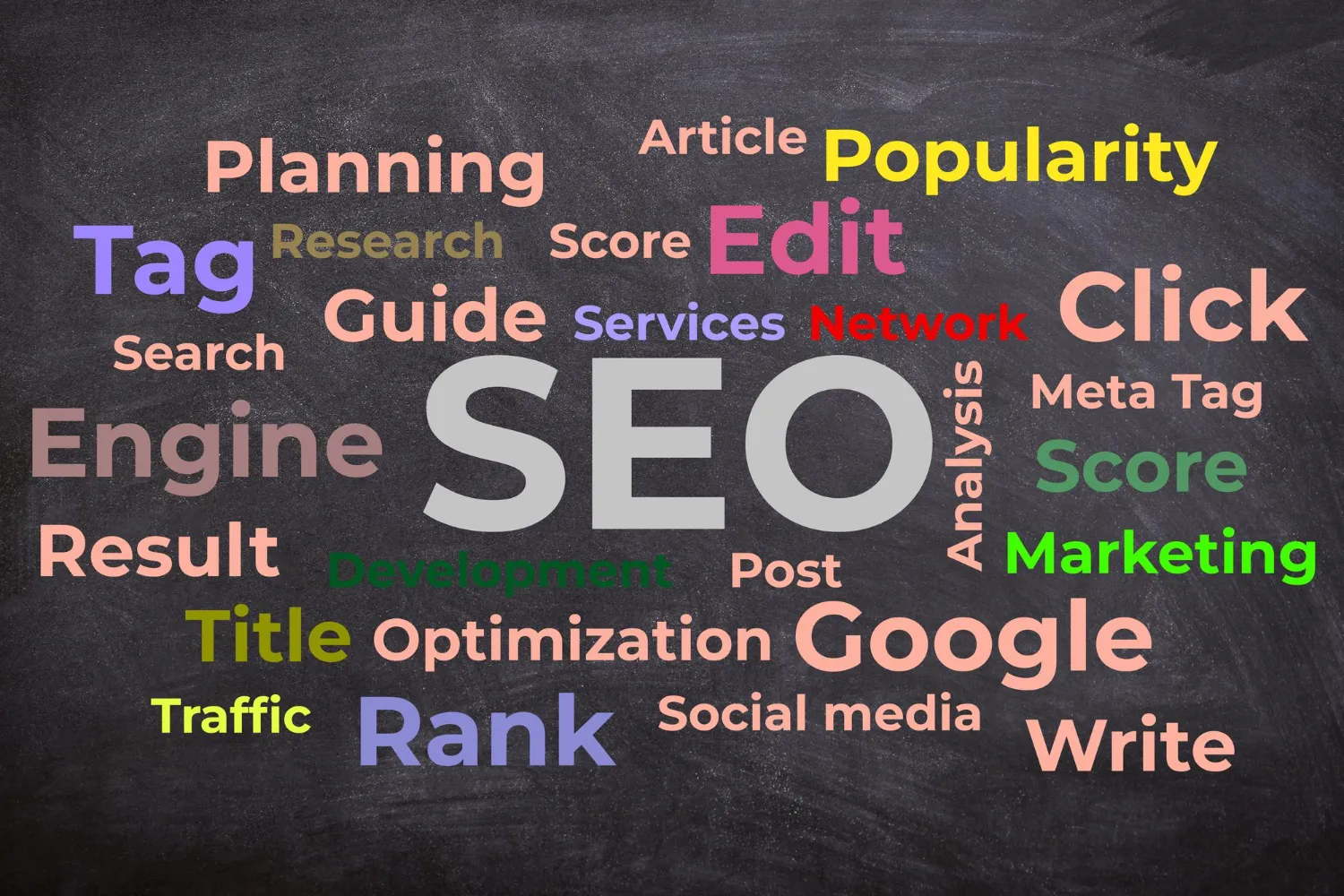
Along with implementing an effective SEO strategy throughout your site, adding your site to renowned and top ranking search engine results will facilitate the process of directing potential consumers to your website. In order to improve your ranks in search engines for the goods and services you're attempting to advertise, you should define Uniform Resource Identifiers (URIs), meta description and title tags that are pertinent to your business and elements of your industry.
Early-on traffic generation can be aided by incorporating pertinent keywords throughout your text from the very beginning of your website and putting a significant emphasis on SEO. These crucial on-site SEO strategies can help you increase your ability to climb the ranks as you create your company website. Select appropriate terms. Choose search terms that are pertinent to your industry and that potential clients are using to find you online. To find a service that can assist you in locating, analyzing, and tracking these keywords, it is crucial to execute proper research.
Put Forth New Content
Regular blog posting, website additions, and content updates all inform browsers that your website is pertinent to the targeted keywords. In order to establish yourself and your company as opinion makers in the field, pick themes that are engaging for your industry and pertinent to your organization.
Link Both Internal and External Resources
Internal links are those that point towards other pages on your website, and external links are those that point to other well-known, reliable websites. Strategically place these links on your website. Verify that such links make sense, suit the context, and benefit the reader before using them; failing to do so could result in a penalty.
Boost the Speed of Your Website
Just a few seconds is the ideal amount of time for pages to load. To determine whether your website is operating at its peak performance, you can utilize free site speed analyzers like Google's PageSpeed Insights.
Conclusion
It's all about the different components that go into creating modern websites. These components work together to create a distinctive and interesting website for viewers and endusers. The factors discussed in this article must be taken into account, as their combination will pave the way towards the development of a site that can quickly convert leads to customers by attracting customers effectively and funneling visitors through the sales pipeline.























Sign in to leave a comment.