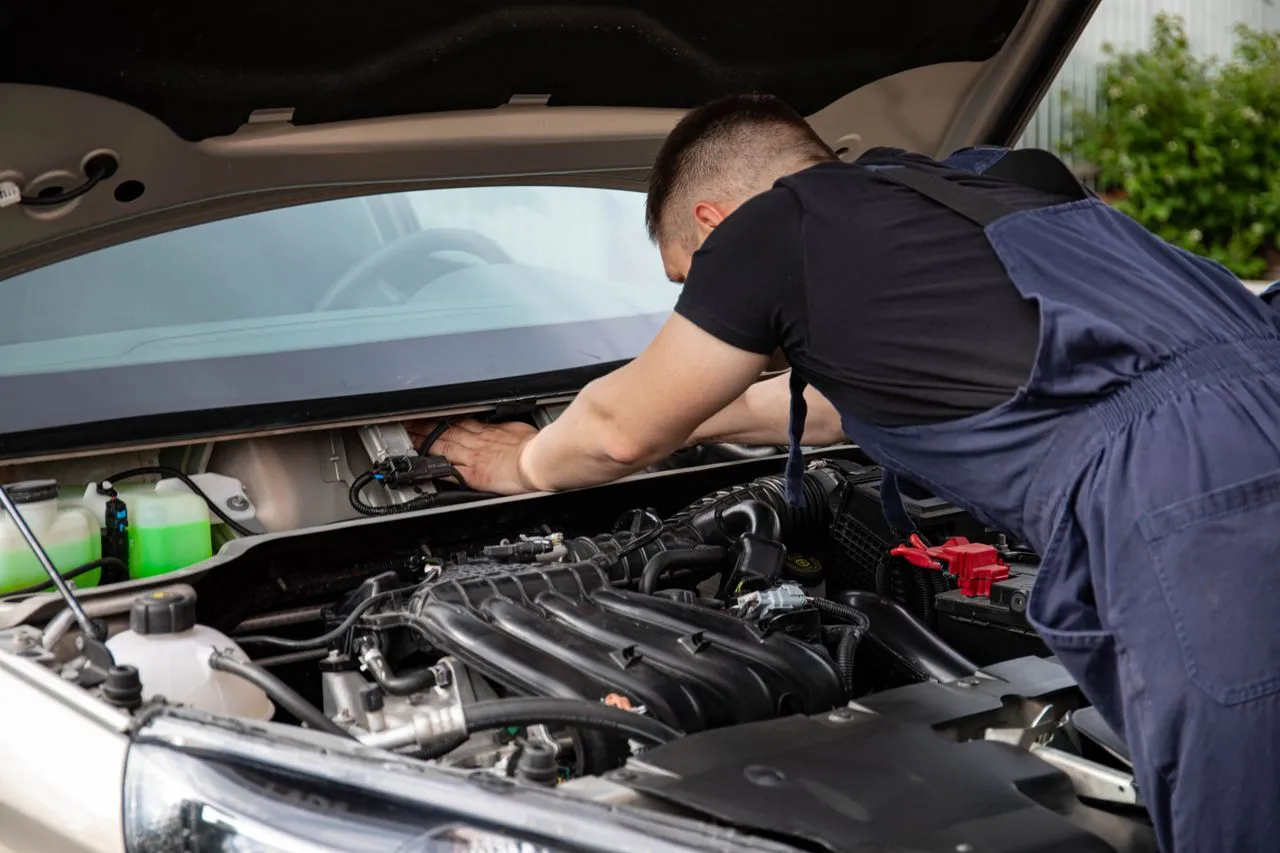

Owning a vehicle comes with the responsibility of keeping it in good condition. While many drivers remember to refuel their cars, regular maintenance is often overlooked until a problem occurs. Creating a car maintenance schedule helps you stay organized, reduces unexpected repair costs, and keeps your vehicle running efficiently for years.
Whether you drive daily or only on weekends, having a maintenance plan can make a significant difference in your vehicle's performance and reliability.
Why a Car Maintenance Schedule is Important
A maintenance schedule ensures that essential services are completed on time rather than after a breakdown. Routine inspections help identify small issues before they become major repairs, saving both time and money.
Benefits of following a maintenance schedule include:
- Improved engine performance
- Better fuel efficiency
- Longer vehicle lifespan
- Enhanced road safety
- Lower repair expenses
- Higher resale value
Start with Your Owner's Manual
The first step in creating a maintenance schedule is reviewing your vehicle's owner's manual. Manufacturers provide recommended service intervals based on mileage or time. These recommendations are specifically designed for your vehicle and include maintenance tasks such as:
- Oil changes
- Tire rotations
- Brake inspections
- Air filter replacement
- Transmission service
- Coolant replacement
- Spark plug replacement
Following these guidelines helps keep your warranty valid and your vehicle operating efficiently.
Track Mileage and Service Dates
Keep a record of every maintenance service performed on your vehicle. You can use a notebook, spreadsheet, smartphone app, or maintenance logbook.
Important information to record includes:
- Date of service
- Current mileage
- Type of maintenance performed
- Parts replaced
- Service provider
- Cost of repairs
This record makes it easier to know when the next service is due.
Schedule Regular Oil Changes
Engine oil lubricates moving parts and reduces wear. Delaying oil changes can lead to increased engine damage and poor fuel economy.
Depending on your vehicle and oil type, oil changes are typically recommended every several thousand kilometres. Always follow the manufacturer's recommendations for the best results.
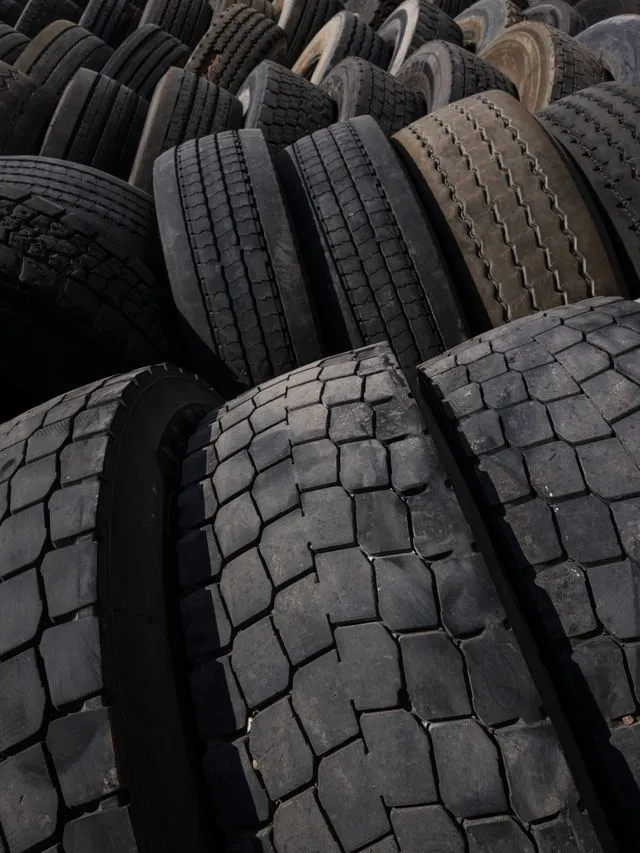
Inspect Tires Frequently
Your tires directly affect safety, fuel economy, and driving comfort.
Regular tire maintenance should include:
- Checking tire pressure monthly
- Rotating tires at recommended intervals
- Inspecting tread depth
- Looking for uneven wear
- Balancing and aligning wheels when necessary
Proper tire care extends tire life and improves vehicle handling.
Monitor Brake Performance
Brakes are among the most important safety components of any vehicle. Listen for unusual noises, vibrations, or reduced stopping power.
Have your brakes inspected regularly and replace worn brake pads before they damage the rotors.
Replace Filters on Time
Several filters help your vehicle operate efficiently, including:
- Engine air filter
- Cabin air filter
- Fuel filter
- Oil filter
Replacing dirty filters improves airflow, engine efficiency, and cabin air quality.
Check Fluids Regularly
Your vehicle depends on several fluids besides engine oil.
Inspect these regularly:
- Coolant
- Brake fluid
- Transmission fluid
- Power steering fluid
- Windshield washer fluid
Low or contaminated fluids can lead to serious mechanical problems if ignored.
Don't Ignore Warning Lights
Modern vehicles alert drivers when something requires attention. Never ignore dashboard warning lights, even if the vehicle appears to drive normally.
Prompt diagnosis can prevent more expensive repairs later.
Adjust Your Schedule Based on Driving Conditions
Not all vehicles experience the same level of wear. You may need more frequent maintenance if you regularly:
- Drive in heavy traffic
- Tow trailers
- Travel on dusty roads
- Drive short distances frequently
- Experience extremely hot or cold weather
Adjusting your maintenance schedule for these conditions helps protect your vehicle.
Know When It's Time to Move On
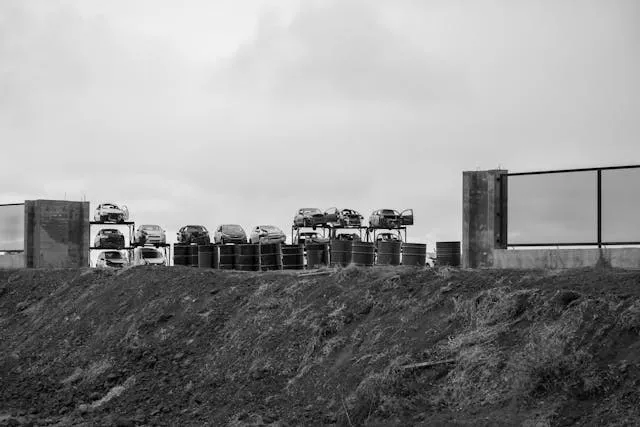
Even with excellent maintenance, every vehicle eventually reaches the end of its useful life. When repair costs continue to increase and reliability declines, many owners begin considering car scrap near you services as an economical way to dispose of aging vehicles while supporting responsible recycling.
Sample Annual Maintenance Checklist
A simple yearly schedule might include:
- Monthly tire pressure checks
- Oil changes according to manufacturer recommendations
- Tire rotation every scheduled interval
- Brake inspection twice a year
- Battery inspection annually
- Fluid level checks every month
- Air filter inspection every six months
- Full vehicle inspection once a year
Following a consistent schedule keeps maintenance manageable and reduces the likelihood of unexpected breakdowns.
Conclusion
Creating a car maintenance schedule is one of the easiest ways to protect your investment and ensure dependable performance. By keeping track of service intervals, inspecting key components regularly, and addressing small issues early, you can extend your vehicle's lifespan while reducing repair costs. And when your car eventually becomes too expensive to maintain, choosing a trusted car scrap near you service provides a convenient and environmentally responsible way to recycle your old vehicle.



























Sign in to leave a comment.