
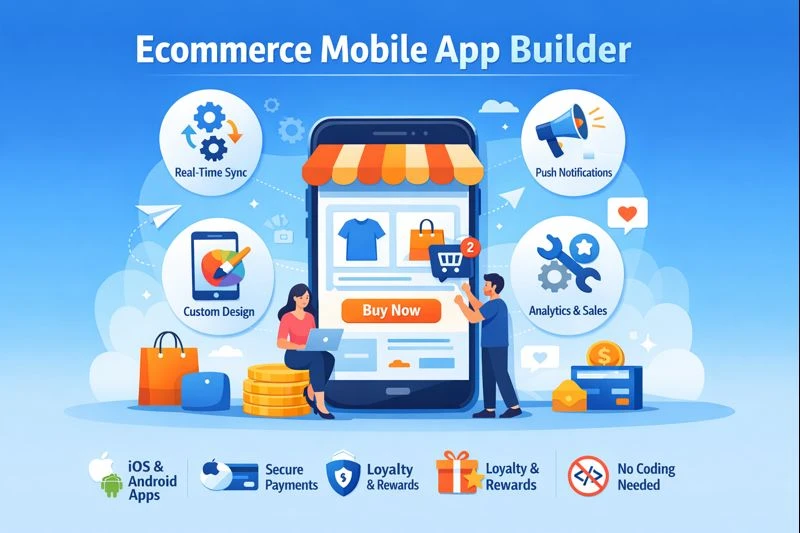
Mobikul eCommerce Apps offers pre-built templates, features, and functionalities that can be easily integrated into your existing CMS-based website. It provides options to customize the app’s layout, colors, fonts, and various other aspects to match your brand identity and requirements.
Creating a successful eCommerce mobile app for a specific industry involves several key steps:
Market Research: Understand the specific industry you're targeting. Analyze competitors, identify their strengths and weaknesses, and pinpoint gaps in the market that your app can fill. Research your target audience's preferences, pain points, and behavior to tailor your app accordingly.
Define Your Unique Selling Proposition (USP): Determine what sets your app apart from others in the industry. Whether it's unique features, better user experience, or specialized products/services, your USP will differentiate your app and attract users.
Choose the Right Platform: Decide whether you want to develop a native app for iOS, Android, or both platforms. Consider factors like your target audience's demographics, market share of each platform, and your budget before making a decision.
Design User-Friendly Interface: Design an intuitive and visually appealing interface that makes it easy for users to navigate through your app. Ensure that the app's layout, navigation, and overall design align with the preferences and habits of your target audience.
Optimize for Mobile: Mobile optimization is crucial for eCommerce apps. Ensure that your app loads quickly has responsive design elements, and is compatible with various screen sizes and devices.
Seamless Checkout Process: Simplify the checkout process to minimize friction and increase conversions. Implement features like guest checkout, multiple payment options, saved payment details, and one-click purchasing to streamline the buying process.
Secure Payment Gateway: Integrate a secure payment gateway to ensure the safety of users' financial information. Use encryption techniques and comply with industry standards like PCI DSS to protect sensitive data.
Personalization and Recommendations: Incorporate personalized product recommendations, based on users' browsing history, purchase behavior, and preferences. Personalization enhances user engagement and encourages repeat purchases.
Implement Feedback Mechanisms: Include feedback mechanisms like ratings, reviews, and surveys to gather insights from users and improve your app continuously. Address user complaints and suggestions promptly to enhance customer satisfaction.
Marketing and Promotion: Develop a comprehensive marketing strategy to promote your app and attract users. Utilize social media, email marketing, influencer partnerships, app store optimization (ASO), and paid advertising to increase visibility and drive downloads.
Analytics and Optimization: Monitor key metrics like user engagement, conversion rates, retention rates, and revenue to track the performance of your app. Use analytics tools to gain insights into user behavior and preferences, and make data-driven decisions to optimize your app for better results.
Provide Excellent Customer Support: Offer responsive customer support through multiple channels like in-app chat, email, and phone to assist users with any issues or queries they may have. Excellent customer service can foster loyalty and encourage positive word-of-mouth.
By following these steps and continuously iterating based on user feedback and market trends, you can create a successful eCommerce mobile app for your specific industry.


























Sign in to leave a comment.