
Employee feedback is essential for any organization aiming to foster engagement, improve productivity, and retain top talent. One of the most effective ways to gather this feedback is through structured surveys. By understanding employee sentiments, companies can make informed decisions that drive both satisfaction and performance. A powerful approach to measuring employee satisfaction is leveraging NPS online, which quantifies engagement and loyalty in a simple, actionable format.
Why Employee Surveys Are Important
Employee surveys provide a direct line of communication between employees and management. They help organizations:
- Identify strengths and weaknesses in the workplace environment.
- Measure employee engagement and satisfaction over time.
- Understand factors that influence productivity and retention.
- Create targeted strategies to improve organizational culture.
Surveys can cover a wide range of topics, from job satisfaction and work-life balance to management effectiveness and team collaboration. When done correctly, they provide actionable insights that go beyond anecdotal evidence.
Steps to Create Employee Surveys
Creating effective employee surveys requires a strategic approach. Here’s a step-by-step guide to ensure your surveys capture meaningful feedback:
1. Define Your Objectives
Before designing the survey, determine what you want to achieve. Are you trying to measure overall job satisfaction, understand engagement levels, or assess reactions to a new policy? Clear objectives will guide the questions and structure of your survey.
2. Keep Surveys Short and Focused
Employees are more likely to complete surveys that are concise. Limit the survey to 10-15 questions, focusing on the most critical areas. Use a mix of multiple-choice, Likert scale, and open-ended questions to capture both quantitative and qualitative feedback.
3. Use Clear and Neutral Language
Ensure that questions are easy to understand and free from bias. Avoid leading questions that might skew results. For example, instead of asking, “Do you enjoy the excellent training provided?” ask, “How satisfied are you with the training opportunities available?”
4. Incorporate NPS Online Questions
To measure employee loyalty and satisfaction, integrate an NPS online question. Ask employees to rate the likelihood of recommending the company as a place to work on a scale of 0-10. This single question provides a straightforward metric to assess engagement trends.
5. Ensure Anonymity
Employees are more likely to provide honest feedback if they feel their responses are confidential. Make sure the survey platform guarantees anonymity to build trust and increase participation.
6. Choose the Right Survey Platform
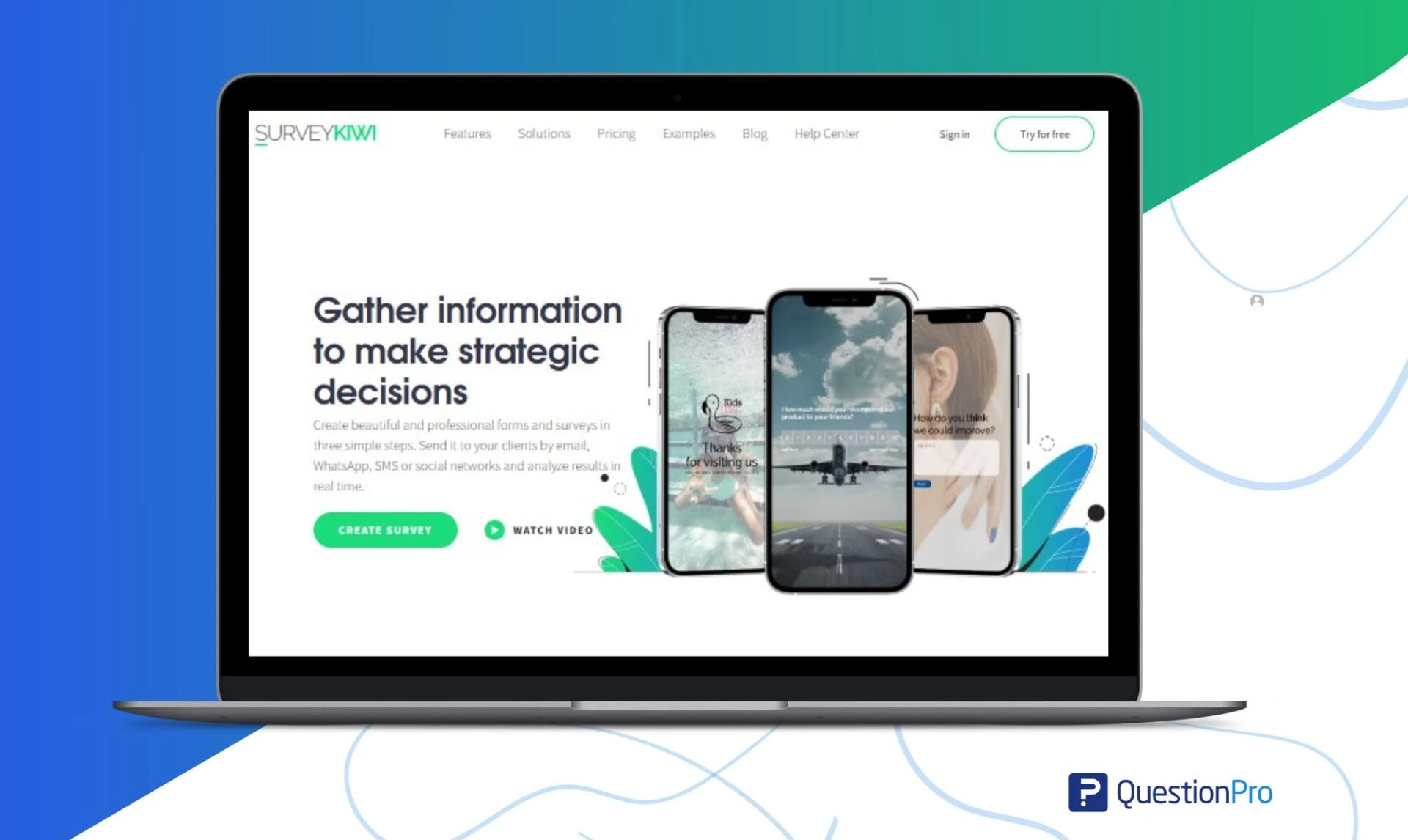
Select a reliable tool that allows easy creation, distribution, and analysis of surveys. Modern platforms provide customizable templates, automated reminders, and detailed reporting to streamline the process.
Understanding NPS Online for Employee Feedback
Net Promoter Score (NPS online) is a widely recognized metric that measures loyalty and engagement. In the context of employees, NPS online allows organizations to quantify satisfaction in a standardized format.
How NPS Online Works
Employees respond to a single question: “On a scale of 0-10, how likely are you to recommend this company as a place to work?” Responses are categorized as:
- Promoters (9-10): Highly satisfied and loyal employees.
- Passives (7-8): Moderately satisfied but not fully engaged.
- Detractors (0-6): Dissatisfied employees who may negatively impact morale.
The NPS score is calculated by subtracting the percentage of detractors from the percentage of promoters. A higher NPS indicates stronger employee engagement and satisfaction.
Benefits of Using NPS Online
- Simplicity: One question provides a clear measure of engagement.
- Benchmarking: Compare scores over time or against industry standards.
- Actionable Insights: Follow-up surveys can uncover reasons behind the score.
- Data-Driven Decisions: Helps prioritize initiatives that improve employee satisfaction.
Best Practices for Implementing Employee Surveys with NPS Online
To maximize the value of employee surveys and NPS online:
- Communicate Purpose Clearly: Explain why feedback is collected and how it will be used. Transparency encourages participation.
- Act on Feedback: Closing the feedback loop is critical. Share results with employees and outline steps for improvement.
- Survey Regularly: Conduct surveys quarterly or bi-annually to track engagement trends over time.
- Segment Responses: Analyze results by department, tenure, or role to identify specific areas for improvement.
- Combine Metrics: Use NPS scores alongside other survey questions to gain a comprehensive understanding of employee sentiment.
Common Mistakes to Avoid
- Overloading Surveys: Too many questions can reduce response rates.
- Ignoring Results: Collecting feedback without action erodes trust.
- Bias in Questions: Leading questions compromise data quality.
- One-Size-Fits-All Approach: Tailor surveys to different teams or departments when necessary.
Conclusion
Creating employee surveys is a strategic approach to understanding workforce satisfaction. By integrating NPS online, organizations can quantify engagement and loyalty in a simple yet powerful way. The key to success lies in designing thoughtful surveys, ensuring anonymity, and acting on the insights gathered. Regularly measuring satisfaction not only helps retain talent but also strengthens organizational culture and overall productivity.































Sign in to leave a comment.