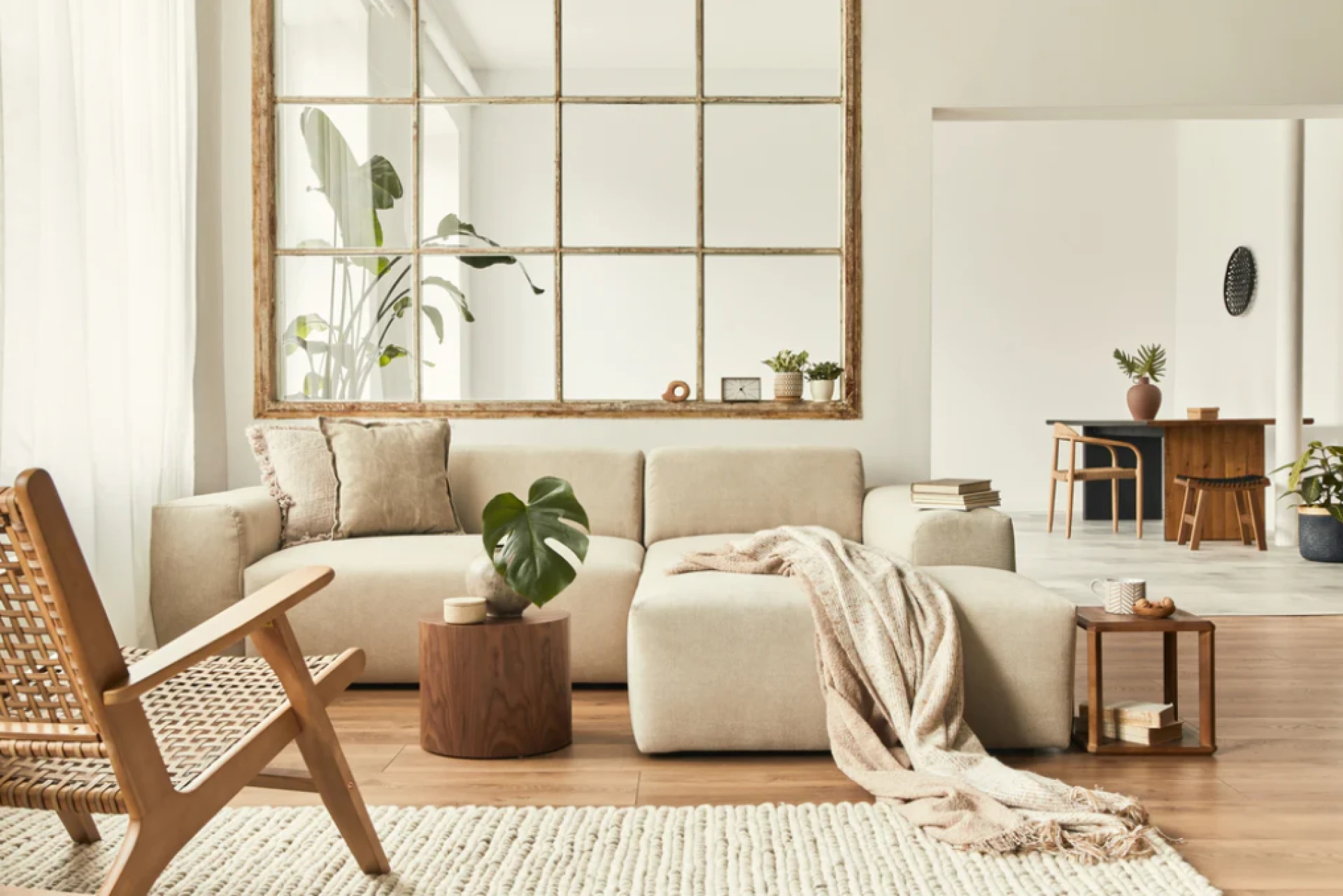

Designing a home is no longer just about aesthetics; it’s also about making conscious choices that reduce environmental impact. The idea of sustainable home decor focuses on using materials, products, and design approaches that are environmentally responsible while still creating a warm and visually appealing space.
This approach doesn’t require a complete lifestyle overhaul. Small, thoughtful decisions can gradually transform your home into something both stylish and eco-conscious.
What Sustainable Home Decor Really Means
At its core, sustainable decor is about minimizing waste and choosing materials that have a lower impact on the environment. This can include using recycled items, opting for natural materials, or selecting products that are designed to last longer.
It also involves thinking beyond just the product itself. How something is made, transported, and eventually disposed of all contribute to its environmental footprint. A well-designed space considers these factors without compromising comfort or style.
Choosing Materials That Are Better for the Environment
One of the easiest ways to start is by focusing on materials. Natural options like wood, bamboo, cotton, linen, and jute are often more sustainable compared to synthetic alternatives. These materials are biodegradable and generally require less energy to produce.
Reclaimed or recycled materials are another strong choice. Furniture made from reclaimed wood or decor items crafted from recycled metal can add character while reducing the demand for new resources.
Durability also matters. Items that last longer reduce the need for frequent replacements, which in turn lowers waste over time.
The Role of Minimalism in Sustainable Design
Sustainability and minimalism often go hand in hand. Instead of filling a space with unnecessary items, the focus shifts to keeping only what is functional and meaningful.
A clutter-free environment not only looks cleaner but also reduces consumption. By choosing fewer, high-quality pieces, you create a space that feels intentional rather than excessive.
This doesn’t mean your home has to feel empty. It simply encourages mindful selection rather than impulse decoration.
How Upcycling Can Add Personality to Your Space
Upcycling is one of the most creative aspects of eco-friendly decor. It involves taking old or unused items and giving them a new purpose. For example, an old wooden ladder can be turned into a shelf, or glass jars can become decorative storage.
This approach adds a unique touch to your home because no two pieces are exactly the same. It also reduces waste by extending the life of items that might otherwise be discarded.
In many cases, upcycled decor tells a story, making your space feel more personal and authentic.
Lighting and Textiles: Small Changes with Big Impact
Lighting plays an important role in both design and sustainability. Choosing energy-efficient lighting options can significantly reduce energy consumption. Natural light should also be maximized wherever possible, as it enhances the overall ambiance of a room.
Textiles are another area where simple changes can make a difference. Curtains, cushions, and rugs made from organic or natural fibers are better alternatives to synthetic materials. They not only look good but also contribute to a healthier indoor environment.
These small adjustments can collectively create a noticeable impact over time.
Balancing Style and Sustainability
One common misconception is that eco-friendly decor limits creativity. In reality, it often encourages more thoughtful and innovative design choices. Mixing modern elements with natural textures can create a balanced and visually interesting space.
Color palettes inspired by nature such as earthy tones, greens, and soft neutrals can enhance the overall aesthetic. These colors tend to create a calming environment while aligning with the principles of sustainability.
The goal is not to sacrifice style, but to redefine it in a more responsible way.
Challenges to Be Aware Of
While the concept is appealing, there are some challenges to consider. Sustainable products can sometimes be more expensive upfront. However, their durability often makes them more cost-effective in the long run.
Availability can also vary depending on location. Not all materials or products are easily accessible, which may require some research and patience.
Despite these challenges, even small steps can contribute to a more sustainable living environment.
Final Thoughts on Building a Sustainable Home
Creating a home with sustainable home decor is less about perfection and more about intention. Every choice, no matter how small, plays a role in reducing environmental impact.
By focusing on quality materials, thoughtful design, and mindful consumption, you can build a space that is both beautiful and responsible. Over time, these choices not only improve your home but also contribute to a more sustainable future.





























Sign in to leave a comment.