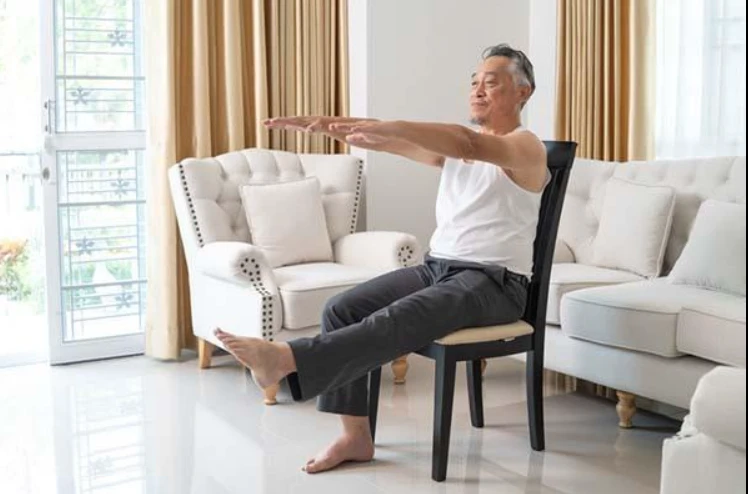

Staying physically active becomes increasingly important as we age, but it doesn’t have to mean intense gym sessions or complicated routines. For many people, the idea of exercises at home over 50 offers a comfortable and sustainable way to maintain strength, flexibility, and overall health without stepping outside.
The key is to focus on movements that support the body rather than strain it, while still building consistency over time.
Why Exercise Matters More After 50
As the body ages, natural changes such as reduced muscle mass, slower metabolism, and decreased joint flexibility begin to take place. Regular physical activity helps counter these effects by improving mobility, maintaining bone density, and supporting heart health.
Exercise also plays a role in mental well-being. Simple routines can boost mood, reduce stress, and improve sleep quality. The goal is not to push limits but to maintain function and independence in daily life.
Getting Started Safely at Home
Before beginning any routine, it’s important to understand your current fitness level. Starting slowly allows the body to adapt without risk of injury. A small space at home is enough, and there’s no need for expensive equipment.
Comfortable clothing, a stable chair, and a non-slip surface are usually all you need. Paying attention to posture and breathing can make a significant difference in how effective and safe each movement feels.
Consistency matters more than intensity. Even short sessions done regularly can lead to noticeable improvements.
Strength and Balance: The Foundation of Healthy Movement
Maintaining strength is essential for everyday activities such as walking, lifting, and even standing up from a seated position. Simple bodyweight movements like squats using a chair or gentle wall push-ups can help build muscle without putting too much stress on joints.
Balance exercises are equally important. As stability decreases with age, the risk of falls increases. Practicing standing on one leg or slow, controlled movements can improve coordination and confidence.
These types of exercises don’t require much time but can have a strong impact on long-term mobility.
Flexibility and Joint Health
Flexibility often decreases over time, leading to stiffness and discomfort. Gentle stretching can help maintain range of motion and reduce the risk of injury.
Movements that focus on the shoulders, hips, and lower back are especially beneficial. Stretching should be done slowly, without forcing the body into uncomfortable positions.
Regular flexibility work can make daily activities easier, from bending down to reaching overhead.
Cardiovascular Activity Without Leaving Home
Heart health is another important aspect of fitness after 50. You don’t need complex machines to get your heart rate up. Simple activities like marching in place, light dancing, or step-based movements can be effective.
The goal is to keep the body moving in a steady and controlled way. Even a few minutes of continuous movement can contribute to improved circulation and endurance.
Over time, these small efforts build stamina and support overall health.
Listening to Your Body
One of the most important aspects of exercising at this stage of life is awareness. The body provides signals when something is too much, and it’s important to respect those limits.
Rest and recovery are just as important as the exercise itself. Taking breaks when needed and avoiding overexertion helps prevent injuries and keeps the routine sustainable.
Progress should feel gradual and manageable, not forced or exhausting.
Building a Routine That Lasts
The best exercise plan is one that fits naturally into your daily life. It doesn’t have to be complicated or time-consuming. Even 15 to 20 minutes a day can make a meaningful difference when done consistently.
Creating a routine that includes a mix of strength, flexibility, balance, and light cardio ensures a well-rounded approach. Over time, this balanced method supports both physical health and confidence in movement.
Final Thoughts
Choosing exercises at home over 50 is about maintaining independence, improving quality of life, and feeling more comfortable in your own body. It’s not about achieving peak performance but about staying active in a way that feels safe and sustainable.
With a thoughtful approach and regular practice, home-based exercise can become a simple yet powerful part of daily life, supporting both physical and mental well-being as the years go on.

























Sign in to leave a comment.