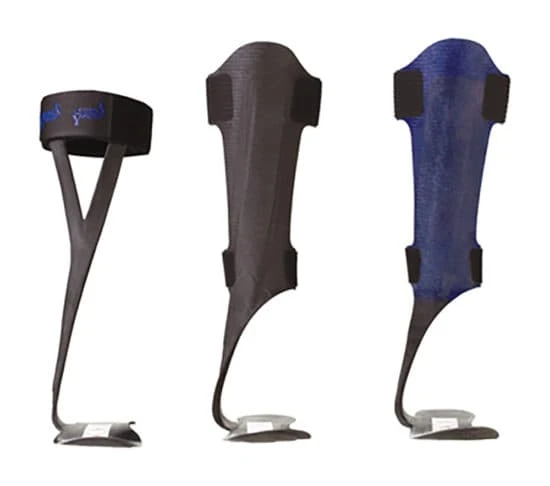

Foot drop, also known as drop foot, is a condition characterized by difficulty lifting the front part of the foot, leading to dragging or tripping while walking. This condition can arise from various causes, including nerve damage, neurological disorders, and muscle weakness. Managing foot drop effectively involves a combination of treatments aimed at improving mobility and enhancing quality of life. This article will explore different strategies to improve mobility with foot drop treatment.
Understanding Foot Drop
Management of Foot Drop occurs when there is a weakness or paralysis of the muscles responsible for lifting the foot. It typically affects the anterior tibialis muscle, which plays a critical role in dorsiflexion (lifting the foot upwards). When this muscle is impaired, the foot tends to drop, which can make walking difficult and increase the risk of falling.
Common Causes of Foot Drop
Several conditions can lead to foot drop, including:
- Nerve Injury: Damage to the peroneal nerve, which controls the muscles involved in lifting the foot, is a leading cause of foot drop.
- Neurological Disorders: Conditions such as multiple sclerosis, stroke, cerebral palsy, or ALS (amyotrophic lateral sclerosis) can affect the nerves that control foot movement.
- Muscle Disorders: Certain muscular dystrophies or other muscle-related conditions can cause foot drop by weakening the muscles in the lower leg.
Treatment Approaches to Improve Mobility
Foot drop treatment aims to improve mobility, prevent falls, and restore the ability to walk more easily. There is no one-size-fits-all solution, but various treatment methods can help individuals manage the condition effectively.
1. Physical Therapy and Exercises
Physical therapy is a cornerstone of foot drop treatment. Through a tailored exercise program, patients can strengthen the muscles responsible for foot movement and improve their range of motion.
Strengthening Exercises
Strengthening the muscles that lift the foot can help improve foot drop symptoms. Key exercises may include:
- Ankle Dorsiflexion: This exercise helps to strengthen the tibialis anterior muscle. Patients sit with their feet flat on the floor and slowly raise their toes towards the shin.
- Toe Raises: Standing and lifting the toes off the ground, focusing on using the anterior tibialis, helps build strength and control.
Stretching Exercises
Flexibility is also important in managing foot drop. Stretching exercises focus on improving the flexibility of the lower leg muscles and tendons. Stretching the Achilles tendon, in particular, can reduce the risk of developing tightness or stiffness that could exacerbate foot drop.
2. Ankle-Foot Orthoses (AFOs)
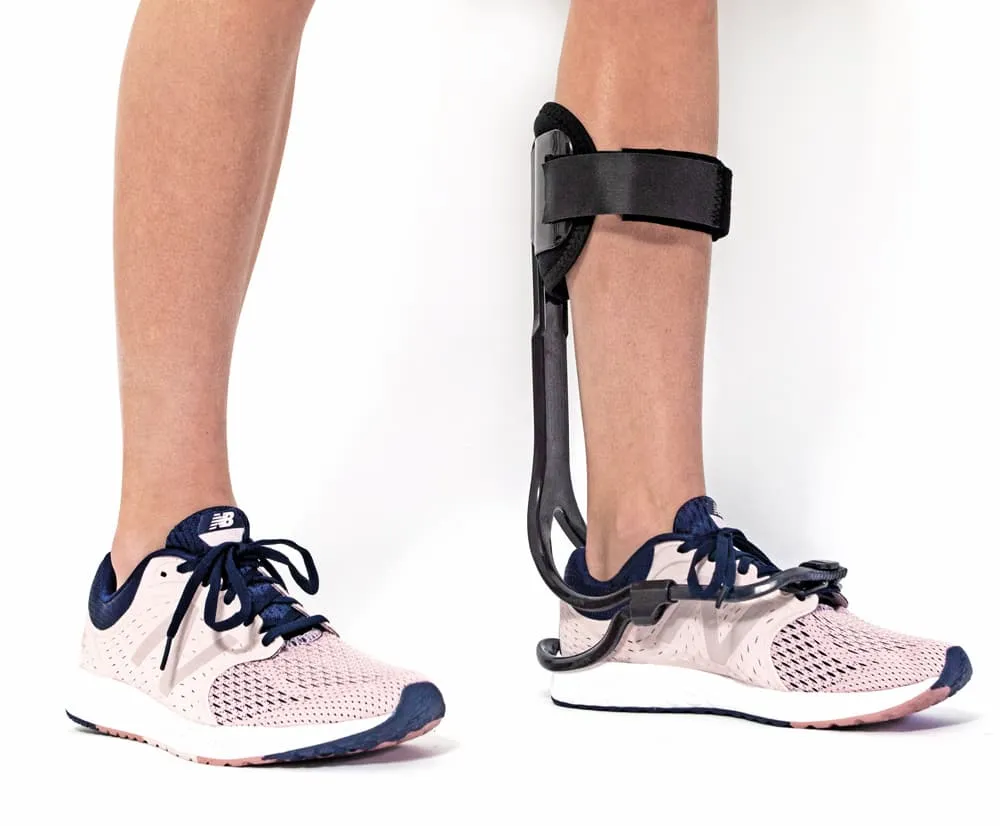
One of the most effective ways to improve mobility for people with foot drop is the use of ankle-foot orthoses (AFOs). These custom-designed braces are worn around the ankle and foot to help lift the foot while walking, preventing it from dragging.
Types of AFOs
- Static AFOs: These provide fixed support to the foot and ankle, ensuring that the foot remains in a neutral position.
- Dynamic AFOs: These allow for more movement and flexibility, supporting the foot while also allowing some natural motion.
AFOs can significantly improve gait, reduce the risk of falls, and allow individuals with foot drop to walk more naturally.
3. Functional Electrical Stimulation (FES)
Functional electrical stimulation (FES) is a therapeutic technique that uses electrical impulses to stimulate muscles and improve function. For foot drop, FES can be applied to the peroneal nerve to stimulate the muscles responsible for lifting the foot.
How FES Works
A small device is worn on the leg, which sends electrical impulses to the peroneal nerve, causing the muscles in the lower leg to contract and lift the foot. This can help improve gait and walking speed. FES has shown to be an effective treatment for foot drop, particularly in patients recovering from stroke or neurological conditions.
4. Surgery for Foot Drop
In some cases, conservative treatments may not be sufficient to improve mobility. In such instances, surgery may be recommended. There are different surgical options available for treating foot drop, depending on the underlying cause.
Tendon Transfer Surgery
For individuals with a non-functioning peroneal nerve, tendon transfer surgery may be an option. This procedure involves transferring a tendon from a working muscle in the lower leg to the affected area, allowing for better foot control.
Nerve Decompression Surgery
In cases where nerve compression (such as from a herniated disc) is the cause of foot drop, nerve decompression surgery may be necessary. This procedure aims to relieve pressure on the affected nerve and restore function.
5. Medications and Pain Management
For some individuals, foot drop can be associated with pain or discomfort, especially if the condition is caused by nerve damage. Medications may be used to alleviate pain and improve quality of life.
Pain Relievers
Over-the-counter or prescription pain relievers, such as ibuprofen or acetaminophen, may be recommended to manage discomfort. For more severe pain, a doctor may prescribe stronger medications, such as neuropathic pain medications (e.g., gabapentin).
Anti-Inflammatory Medications
If foot drop is caused by inflammation of the nerves, corticosteroids or other anti-inflammatory medications may be used to reduce swelling and improve nerve function.
6. Lifestyle Modifications
Making certain lifestyle changes can also help manage foot drop and improve overall mobility.
Fall Prevention Strategies
Since foot drop can increase the risk of falls, individuals should consider making modifications to their home environment. This may include removing tripping hazards, installing grab bars, and ensuring proper lighting in hallways and staircases.
Using Assistive Devices
In addition to AFOs, other assistive devices such as canes, walkers, or crutches can provide extra support while walking and help maintain balance.
Weight Management and Exercise
Maintaining a healthy weight can reduce the strain on the lower body and improve walking stability. Regular low-impact exercises, such as swimming or cycling, can help keep the leg muscles strong without putting excessive stress on the joints.
Conclusion
Improving mobility with foot drop requires a multi-faceted approach that combines physical therapy, the use of orthotics, electrical stimulation, and possibly surgical intervention. The treatment plan should be tailored to the individual’s specific needs and the underlying cause of the condition.
Individuals with foot drop should consult with healthcare providers to explore the best treatment options for their unique situation. By adopting a proactive approach to managing foot drop, individuals can regain independence, reduce the risk of falls, and improve their quality of life.
At Ler Magazine, we strive to provide valuable insights and helpful information to our readers on various health topics. Stay informed and empowered as you explore solutions for managing foot drop and improving mobility.





























Sign in to leave a comment.