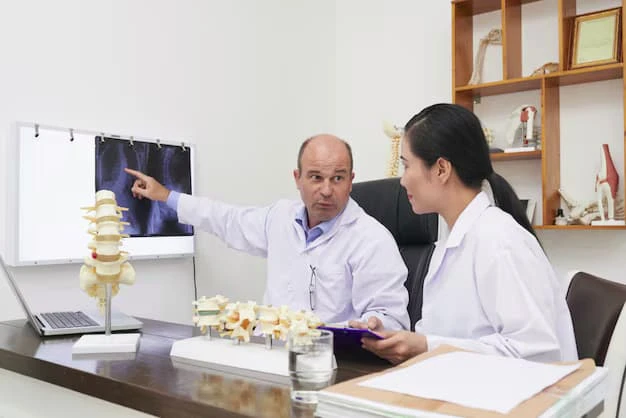

Traumatic bone injuries present a major challenge in modern healthcare, often requiring complex surgical interventions and extended rehabilitation. High energy accidents, falls, sports injuries, and battlefield trauma can result in fractures that involve bone loss, delayed healing, or compromised structural integrity. In these situations, restoring bone continuity and function is essential for patient recovery. One of the most significant advancements supporting this goal is the growing use of synthetic bone graft substitutes. Understanding the role of synthetic bone graft substitutes in trauma care helps clinicians appreciate how these materials contribute to improved healing outcomes and reduced complications.
Nature of Traumatic Bone Defects
Trauma can cause bone defects that range from small voids to large segmental losses. Open fractures, crush injuries, and high impact collisions often lead to the destruction of bone tissue. In such cases, the body’s natural healing process may be insufficient to bridge the gap without additional support.
Bone loss can compromise mechanical stability and disrupt blood supply. This creates an environment where fractures may heal slowly or not at all. Addressing these challenges requires interventions that restore both structure and biological activity.
Limitations of Natural Healing
While bone has a remarkable ability to regenerate, traumatic injuries often exceed its natural repair capacity. Factors such as infection risk, soft tissue damage, and impaired circulation can further delay healing. In these complex cases, bone grafting plays a critical role in promoting regeneration and restoring strength.
What Are Synthetic Bone Graft Substitutes
Definition and Purpose
Synthetic bone graft substitutes are artificially manufactured materials designed to support bone healing. They act as scaffolds that facilitate new bone growth while maintaining structural support. Unlike traditional grafts taken from a patient’s own body or a donor source, synthetic options are produced under controlled conditions to ensure consistency and safety.
The role of synthetic bone graft substitutes in trauma care centers on their ability to fill bone defects, stimulate regeneration, and reduce the need for additional surgical procedures.
Key Properties of Synthetic Grafts
These materials are engineered to mimic the physical and biological properties of natural bone. Important characteristics include biocompatibility, structural strength, and the ability to support cellular attachment and growth. Many synthetic grafts are gradually resorbed by the body as new bone forms, leaving behind regenerated tissue.
Why Trauma Care Requires Advanced Bone Grafting Solutions
Complexity of Traumatic Fractures
Trauma related fractures often involve irregular bone loss and unstable fracture patterns. These injuries demand materials that can adapt to varying shapes and sizes while maintaining stability during healing. Synthetic bone graft substitutes offer flexibility in application, allowing surgeons to address diverse clinical scenarios.
Reducing Surgical Morbidity
Traditional grafting techniques that rely on harvesting bone from the patient can lead to additional pain, infection risk, and longer recovery times. In trauma care, minimizing surgical burden is especially important. Synthetic alternatives help reduce donor site complications and shorten overall treatment duration.
The Role of Synthetic Bone Graft Substitutes in Trauma Care
Structural Support for Bone Defects
One of the primary roles of synthetic bone graft substitutes in trauma care is providing immediate structural support. By filling voids created by injury, these materials help maintain alignment and stability. This support is critical during the early stages of healing when the bone is most vulnerable.
Promoting Bone Regeneration
Synthetic grafts serve as scaffolds that encourage bone forming cells to migrate and proliferate. This process supports the gradual replacement of the graft material with natural bone. Over time, the regenerated bone restores strength and function to the injured area.
Enhancing Surgical Outcomes
The predictable quality and availability of synthetic grafts allow surgeons to plan procedures more effectively. Consistent material properties lead to more reliable outcomes, which is especially important in complex trauma cases where precision matters.
Types of Synthetic Bone Graft Substitutes Used in Trauma
Ceramic Based Substitutes
Ceramic materials are widely used due to their similarity to natural bone minerals. They provide excellent compressive strength and are commonly applied in fracture repair and bone void filling. These substitutes are particularly useful in load bearing areas when combined with internal fixation.
Polymer Based Substitutes
Polymer based grafts offer flexibility and controlled degradation rates. They are often used in cases where gradual resorption is desired to match the pace of new bone formation. Their adaptability makes them suitable for irregular defects caused by trauma.
Composite Materials
Composite grafts combine different materials to enhance both mechanical and biological properties. By integrating strength and bioactivity, these substitutes support complex trauma repairs that require both stability and regenerative potential.
Clinical Applications in Trauma Settings
Management of Open Fractures
Open fractures carry a high risk of infection and bone loss. Synthetic bone graft substitutes play a vital role in filling defects while minimizing contamination risk. Their sterile manufacturing process adds an additional layer of safety in these challenging cases.
Treatment of Delayed Union and Nonunion
Trauma related fractures sometimes fail to heal within expected timeframes. Synthetic grafts can be introduced to stimulate bone growth and provide additional support. Their use helps restart the healing process and improve long term outcomes.
Support in Reconstructive Trauma Surgery
Severe injuries may require staged reconstructive procedures. Synthetic bone graft substitutes offer a reliable option for interim and definitive reconstruction. Their availability and ease of use make them valuable tools in complex trauma care pathways.
Advantages Over Traditional Bone Grafting Methods
Elimination of Donor Site Complications
One of the most significant advantages is the avoidance of donor site morbidity. Patients do not experience additional pain or risk associated with bone harvesting procedures. This benefit is especially meaningful in trauma patients who are already managing multiple injuries.
Consistency and Availability
Synthetic grafts are readily available and standardized. This consistency allows for better surgical planning and reduces delays in treatment. In emergency trauma situations, immediate access to graft material is crucial.
Lower Risk of Disease Transmission
Because synthetic grafts are manufactured rather than biologically sourced, the risk of disease transmission is minimized. This contributes to safer outcomes and greater confidence in their use.
Challenges and Considerations in Trauma Care
Matching Mechanical Demands
Trauma injuries vary widely in severity and location. Selecting a graft substitute with appropriate mechanical properties is essential. Surgeons must consider factors such as load bearing requirements and defect size to ensure successful integration.
Patient Specific Factors
Healing outcomes depend on patient health, age, and injury severity. While synthetic grafts offer many advantages, they must be used as part of a comprehensive treatment plan that addresses overall patient needs.
Future Directions in Synthetic Bone Grafting
Advancements in Material Science
Ongoing research continues to improve the biological performance of synthetic grafts. Innovations aim to enhance cell interaction, vascularization, and integration with native bone. These developments are expected to further expand the role of synthetic bone graft substitutes in trauma care.
Personalized Trauma Solutions
Future approaches may focus on customizing graft materials to individual patient needs. Advances in imaging and manufacturing techniques could allow for more precise defect matching and improved healing outcomes.
Conclusion
The role of synthetic bone graft substitutes in trauma care has become increasingly important as healthcare providers seek safer, more effective solutions for complex bone injuries. These materials offer reliable structural support, promote bone regeneration, and reduce complications associated with traditional grafting methods. Their versatility and availability make them especially valuable in trauma settings where timely intervention is critical.
As research and technology continue to evolve, synthetic bone graft substitutes are expected to play an even greater role in improving recovery and restoring function for trauma patients. By supporting both mechanical stability and biological healing, these materials represent a significant advancement in the management of traumatic bone injuries.



























Sign in to leave a comment.