
Plantar heel pain caused by inflammation of the plantar fascia is one of the most common foot conditions that affects active individuals, older adults, and people who spend long hours standing. Pain on the underside of the heel is often most noticeable during the first steps in the morning or after long periods of rest. When symptoms become chronic, choosing an effective support strategy becomes a priority. Two of the most widely recommended options are the plantars fasciitis boot and custom or prefabricated orthotics. Both approaches aim to reduce strain on the plantar fascia and promote healing but they work in different ways and support different lifestyles.
This article explores how each method functions, the advantages and limitations of each, and how long term support can be achieved based on individual needs. The information provided is written from a neutral perspective to help readers understand functional differences and select the most suitable option for sustainable healing.
Understanding Plantar Fasciitis and Support Needs
Plantar fasciitis involves irritation of the strong band of tissue that runs from the heel to the forefoot. The fascia supports the arch and assists with shock absorption during walking and running. When the foot is overloaded, the fascia can develop micro tears that lead to inflammation and pain. The source of overload can vary and often relates to biomechanics, footwear choices, or sudden changes in physical activity.
Why Support Matters for Long Term Recovery
Effective long term recovery requires reducing the repetitive strain placed on the fascia. Support devices aim to control excessive motion in the foot and reduce the pulling force that occurs near the heel. Improved support also helps restore normal gait patterns that can become altered when a person tries to avoid pain. Long term pain relief depends on healing of the tissue and prevention of repeated irritation.
Understanding the Plantars Fasciitis Boot
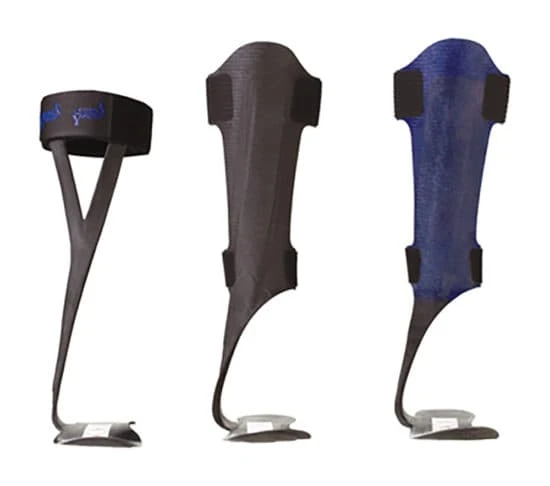
A plantars fasciitis boot is designed to hold the ankle and foot in a specific position during rest. The most common version is the night boot that keeps the foot slightly dorsiflexed. This position maintains a gentle stretch on the plantar fascia through the night and helps prevent morning pain. Morning pain occurs because the fascia tightens overnight and the first steps stretch the tissue suddenly.
How the Boot Supports Healing
The plantars fasciitis boot supports healing by controlling the resting length of the fascia. The controlled stretch reduces the pull on the heel insertion during the first weight bearing steps. When used consistently, it can reduce morning pain and support gradual improvement in tissue health. The boot works passively while a person sleeps which means there is no interruption to daytime activities.
Benefits of Using a Boot
A plantars fasciitis boot benefits individuals who experience severe morning pain. It allows healing while maintaining gentle stretching without the need for active stretching routines during the night. Many users also appreciate that the boot does not require daytime use which means shoes and daily footwear choices remain unchanged.
Limitations of the Boot
The main limitation is discomfort during sleep. Some individuals find it difficult to rest comfortably while wearing the boot. Consistency is important for results and discomfort can reduce usage. The boot also provides support only during rest periods rather than during weight bearing activities which means daytime strain on the fascia may continue if biomechanics are not managed.
Understanding Orthotics for Plantar Fasciitis
Orthotics are inserts placed in footwear that support the arch and control rearfoot motion. They can be prefabricated or customized based on individual foot structure. Orthotics are designed to function during walking and standing which means they support the foot when most strain occurs.
How Orthotics Support Healing
Orthotics reduce excess pronation and keep the arch in a stable position. The stable arch position reduces the stretch on the plantar fascia during each step. Orthotics also help distribute pressure across the heel and forefoot which reduces localized stress. Continuous support during activity promotes long term healing by minimizing repetitive micro trauma.
Benefits of Using Orthotics
Orthotics provide support throughout the day. They work during walking, standing, and running which makes them suitable for individuals who are active or who spend long hours on their feet. Orthotics can be used with regular footwear which makes the solution discreet and comfortable. Many people find that orthotics improve overall comfort by supporting the natural structure of the foot.
Limitations of Orthotics
Orthotics require correct fitting. Poor fit can increase discomfort or fail to provide meaningful support. Prefabricated inserts can vary in quality and may not match the specific needs of each foot. Customized options can be more costly. Some individuals may also need to break in orthotics slowly to allow tissues to adapt.
Comparing a Plantars Fasciitis Boot and Orthotics
Choosing between a plantars fasciitis boot and orthotics depends on lifestyle, symptoms, and goals. The key difference relates to timing. The boot provides support during rest while orthotics provide support during activity. Many clinicians recommend combining both methods for optimal results when symptoms are severe.
When a Boot Works Best
A boot is an effective choice when morning pain is the dominant symptom. If the first steps in the morning feel sharp and painful, the boot can provide relief by keeping the fascia at an optimal resting length. It may also benefit individuals who have difficulty committing to daytime support options. For example, if work footwear is restrictive and cannot accommodate orthotics, the boot allows a full night of stretching support.
When Orthotics Work Best
Orthotics are preferred for individuals whose pain worsens with activity. If heel pain increases with standing or after walking long distances, orthotics provide continuous support. They address the mechanical factors that contribute to repeated irritation. Orthotics are also helpful when the individual struggles with training loads, footwear limitations, or arch instability.
Combining Both Options for Long Term Support
In many cases, a combination approach can provide the most comprehensive solution. The boot can reduce morning pain and restore normal tissue length and mobility while orthotics control forces during the day. Using both allows the fascia to heal with minimal disruption.
A Holistic Approach to Recovery
Support devices work best when combined with other treatment strategies. Stretching the calf muscles can reduce tension on the fascia. Strengthening the intrinsic foot muscles can improve arch stability. Choosing footwear with adequate cushioning and arch support can help reduce strain. Managing training load and monitoring activity changes can prevent flare ups. A holistic approach makes long term recovery more predictable.
Selecting the Best Option for Individual Needs
Long term support depends on personalized decisions. Foot structure, lifestyle, work demands, and activity level all influence which device will work best. Some individuals respond well to a single approach while others require combined strategies. Consulting a qualified clinician who can assess gait and foot mechanics helps ensure that the device chosen supports recovery goals.
Durability and Maintenance
Both the plantars fasciitis boot and orthotics require some maintenance. The boot should be cleaned regularly and straps inspected for wear. Orthotics may need replacement depending on material and usage. Paying attention to comfort, fit, and signs of wear helps maintain effectiveness.
Conclusion
The plantars fasciitis boot and orthotics both offer valuable support for individuals with heel pain. The boot provides focused support during rest while orthotics support the foot during daily movement. The most effective choice depends on the pattern of symptoms and personal comfort preferences. In many cases, a combined approach provides long term relief and encourages complete healing. Readers can explore additional insights and expert perspectives through Ler Magazine.























Sign in to leave a comment.